

Customer Experience
Published:
Customer Experience
Qasim Farooq
Share

Have you noticed how your expectations as a customer have changed recently? Whether it’s getting product suggestions that seem spot on or receiving quick answers to your questions, the bar for customer service has never been higher.
This is largely because the modern consumer is bombarded by infinite choices. In such an overcrowded market landscape, how do businesses stand out?
The key is offering an exceptional customer experience.
In fact, a recent survey suggests that on average, companies that work to improve customer experience see a 42% improvement in customer retention, a 33% improvement in customer satisfaction, and a 32% increase in cross-selling and up-selling.
This means that companies can no longer afford to deliver generic, one-size-fits-all experiences. Instead, they need to create interactions that are personalized, timely, and relevant.
But how do you achieve this level of precision and care at scale?
While traditional methods of managing customer interactions are still in use, they often fall short in meeting the fast-paced demands of today’s consumers.
In contrast, AI brings something new to the table—speed, precision, and the ability to process massive amounts of data in real-time.
Think about it—personalized product recommendations that hit the mark, customer service that’s available 24/7, and marketing messages that feel like they’re speaking directly to you. This is all possible with AI.
Moreover, with AI, businesses can understand their customers on a deeper level, predicting their next move and offering solutions before a problem even arises.
So, as you think about your next steps in marketing or customer service, ask yourself: Are you keeping up with these changes? Are you using AI to create experiences that not only satisfy but also impress?
The way customers experience brands is changing fast, and AI is a big part of that shift.
Let’s look at this in more detail.
Why Customer Experience Matters For Customer Satisfaction
Why does customer experience hold such a crucial place in the success of a business? It’s simple: how customers feel about their interactions with a brand can make or break the relationship.
A positive experience can turn a one-time buyer into a loyal customer, while a negative one can drive them straight to a competitor.
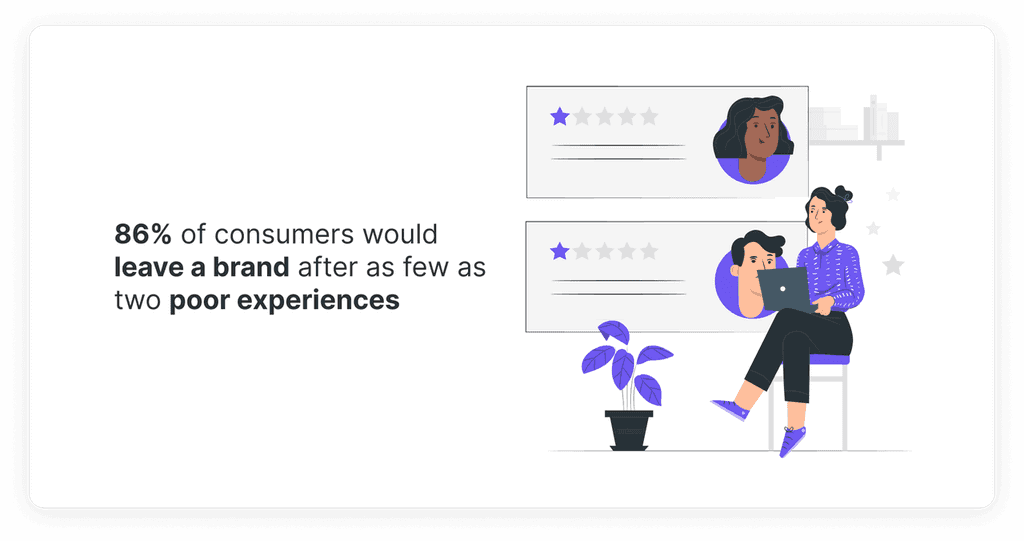
Today’s customers have more options at their fingertips than ever before. With just a few clicks, they can compare products, read reviews, and switch to a competitor if something doesn’t feel right.
This means that brands can’t just focus on their products or prices. They need to create experiences that make customers feel valued and understood.
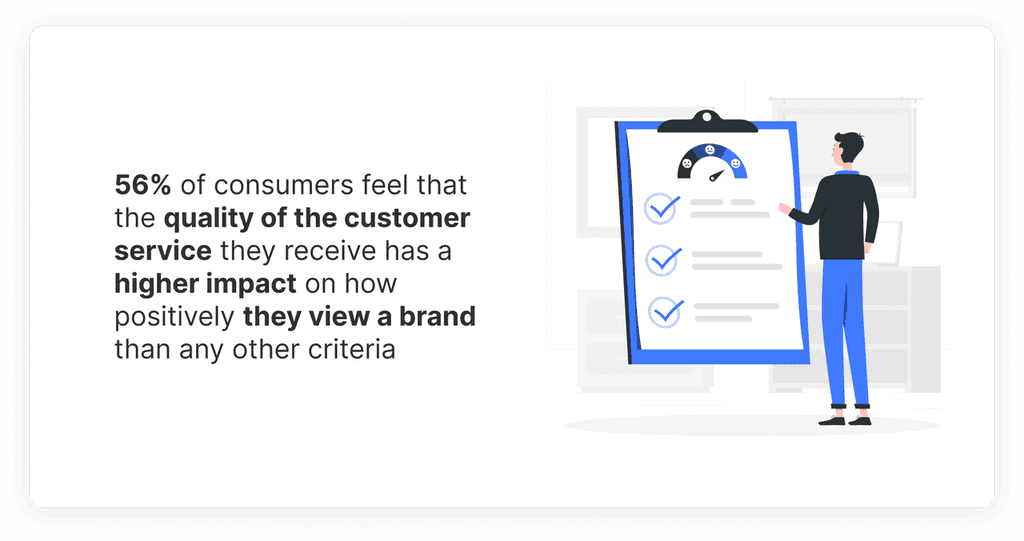
Moreover, a great customer experience can turn casual shoppers into loyal advocates.
Think about it—when you feel truly cared for by a brand, you’re more likely to return, spend more, and even recommend the company to friends and family.
So, in a world where customer expectations are constantly evolving, businesses that succeed are those that listen to their customers, anticipate their future needs, and deliver experiences that resonate on a personal level.
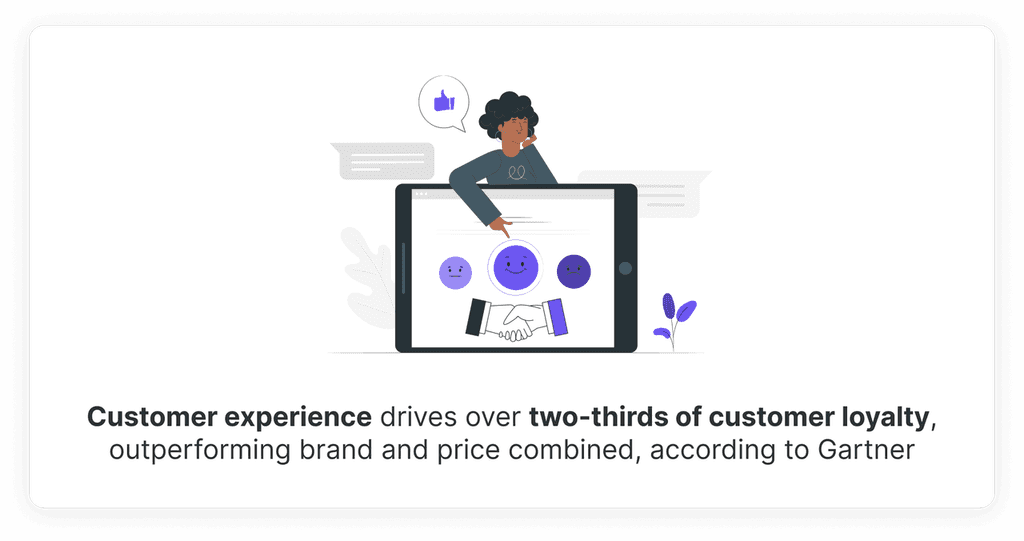
Based on our discussion so far, it is clear that customer experience is the foundation of customer loyalty, the driver of business success, and the key to standing out in a crowded market.
Therefore, if you’re looking to build lasting relationships with your customers, focusing on their experience isn’t just a strategy—it’s the key to staying relevant and competitive in a crowded market.
The Current State of Customer Experience
Customer experience has become one of the most critical aspects of any business strategy.
With so many touch points available—from websites and social media to in-store interactions—customers expect seamless experiences that not only meet but exceed their expectations.
Let’s have a quick overview of the current state of customer experience in 2024.
Increased Expectations for Personalization
The days of generic marketing are fading. Customers now expect services and products to be tailored specifically to their needs and preferences.
Whether it’s through personalized emails, tailored product suggestions, or individualized customer support, personalization is at the heart of modern customer service.
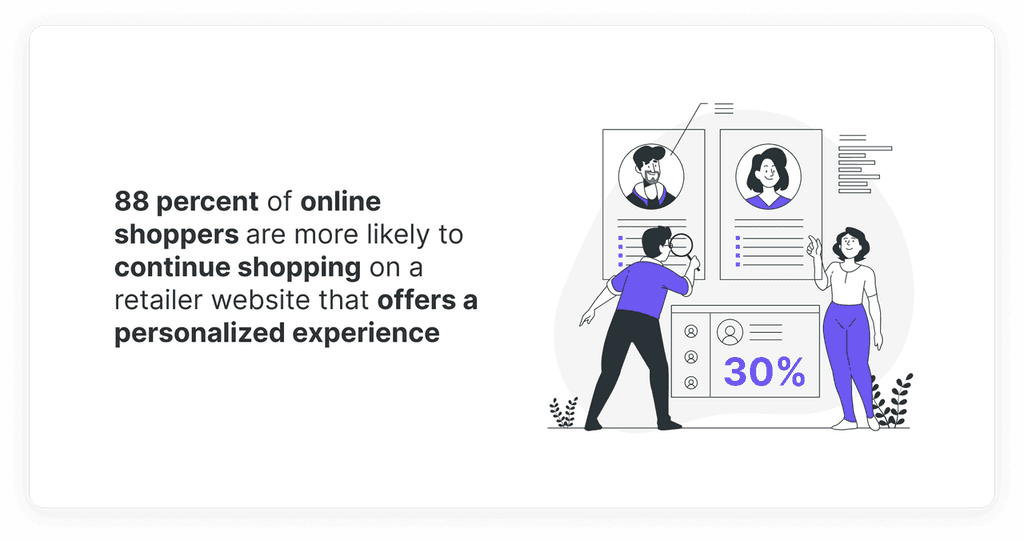
This trend is driven by data; companies gather insights from customer interactions and customer behavior across various channels to create highly customized customer experiences.
Demand for Immediate Responses
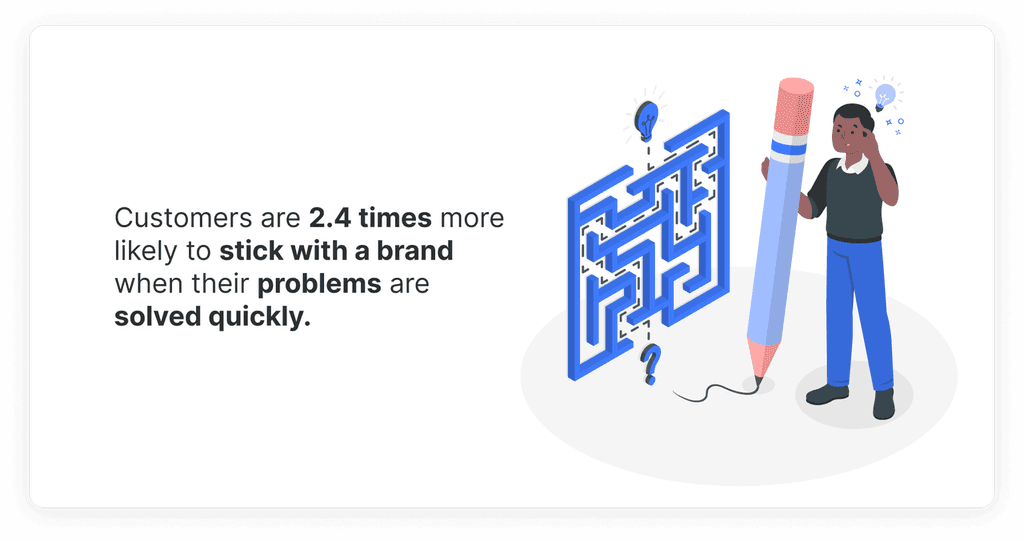
In our fast-paced world, customers want answers and they want them now.
Whether it’s through 24/7 customer support via chatbots or real-time tracking of orders, businesses are leveraging technology to meet these demands.
This shift has been largely facilitated by AI and machine learning, which help automate and expedite responses, reducing wait times and enhancing customer satisfaction.
Integration Across Multiple Channels
The customer journey today often involves several platforms—from social media and websites to in-store interactions and mobile apps.
Customers expect a fluid experience as they hop from one channel to another.
Businesses are investing in omnichannel strategies to ensure that customer data and preferences are seamlessly integrated, providing a consistent experience that increases loyalty and trust.
Growing Importance of Customer Feedback
Companies are more attentive than ever to customer feedback, recognizing its value in improving products and services.
Social media, surveys, and review platforms provide a wealth of information that businesses use to make real-time adjustments.
This ongoing dialogue helps businesses stay responsive and shows customers they are heard, making them feel valued and respected.
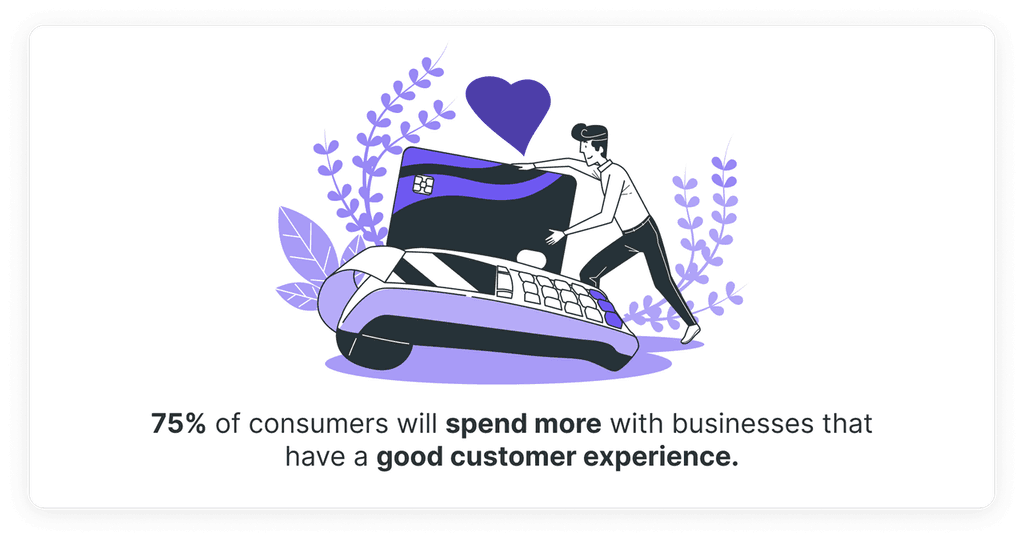
These trends show just how dynamic the field of customer experience is. Companies are continually adapting to meet rising expectations, using technology to enhance interactions at every step of the entire customer journey.
One of the rising trends of technology adoption, in this regard, is the adoption of AI-powered tools to manage and improve customer experience.
AI and Customer Experience: Understanding AI's role in enhancing customer experience
Ever chatted with a website's help box? That's often a chatbot powered by AI. It's designed to answer your questions in a way that feels like you're talking to a human, not a robot.
AI in customer experience is all about making those interactions quicker, smarter, and more like talking to a friend.
For instance, when you're online shopping, Artificial intelligence is the tech behind those "you might also like" product suggestions. It looks at what you've bought or browsed before and guesses what you might want next.
But AI customer experience isn’t just about guesses. It uses tons of data and patterns to make really good predictions.
For example, AI helps companies figure out what you like so they can send you offers that you're actually interested in.
Ever got a coupon for something you were just thinking about? That's AI, making sure the offers you see are tailored just for you.
In simple terms, AI in customer experience is about using tech to make your interactions with companies better and more personal. Whether it’s getting movie recommendations or speedy customer service, AI is all about keeping things running smoothly and keeping customers happy.
5 Ways AI is Transforming Customer Experience for Businesses
Enhanced Customer Engagement
Picture this: you message a brand about a problem you’re facing, and within seconds, you get a helpful response.
That’s AI customer experience in action—quick, responsive, and smart.
AI tools can keep a tab on what customers like you need or prefer, making every interaction with the brand smooth and personal.
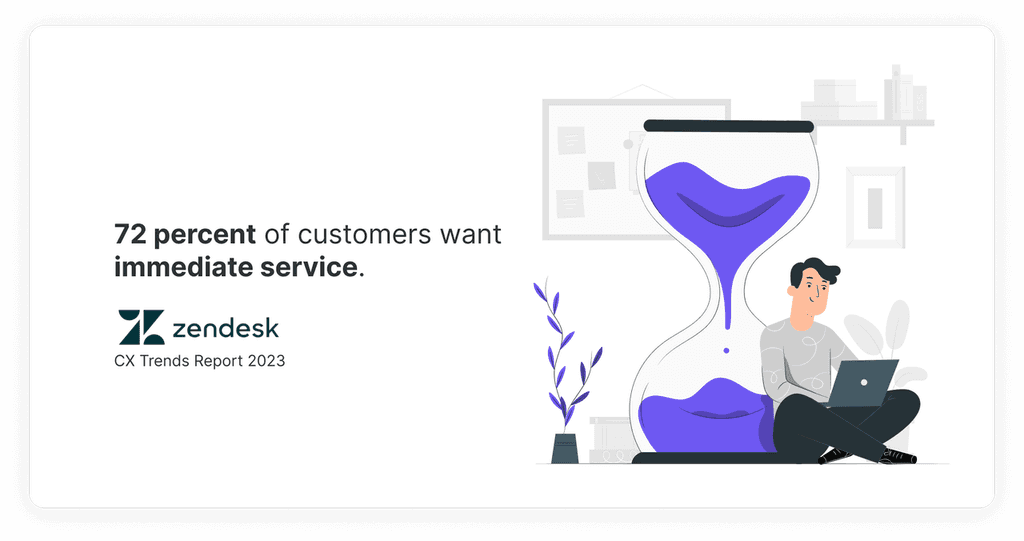
Hubspot’s AI-powered chatbots, for example, engage visitors as soon as they land on your site, providing instant responses, gathering information, and routing conversations to the right team members.
All of this serves to enhance customer engagement, and improve the overall customer experience.
Hyper-personalized Customer Interactions
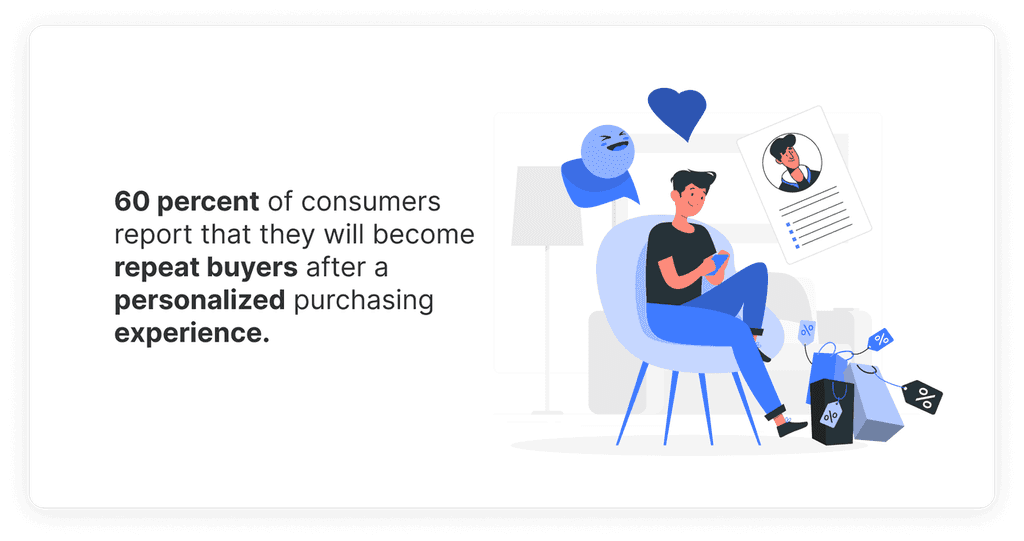
AI has truly revolutionized how businesses create personalized experiences for their customers.
By analyzing vast amounts of data, AI algorithms can identify patterns and preferences unique to each user, allowing companies to tailor their communications in incredibly specific ways.
This capability extends from suggesting products based on purchase history to adjusting the content and timing of messages to suit individual customer behavior and preferences.
Take GoCustomer, for example. This AI-powered platform is a powerhouse in creating hyper personalized email campaigns that really speak to the audience.
By integrating detailed data from LinkedIn along with insights from website interactions, GoCustomer constructs emails that are not only timely but deeply relevant.
This approach ensures that emails are not just seen but also acted upon, significantly boosting the effectiveness of email marketing campaigns.
This kind of AI-driven personalization is what sets companies apart, fostering a connection that is both appreciated and effective in today's competitive marketing landscape.
Consistent Brand Experiences
AI helps customer service agents maintain a consistent brand voice across all customer touchpoints, whether it's on social media, email, or live chat.
This consistency is key to building trust and loyalty.
By using AI to monitor and analyze all interactions, companies can ensure that their brand messaging is uniform, which helps reinforce the brand identity with customers no matter how or where they interact with the business.
Mailchimp’s Campaign Automations and Journey Creation feature, for example, uses AI to set up automated customer journeys with multiple touchpoints, sending tailored messages based on user actions.
This allows you to provide a consistent and coherent AI customer experience throughout the customer journey with your brand.
Also read: Master the Art of Email Spying: Decode Competitors’ Marketing Secrets
Improved Operational Efficiency
Imagine the time saved when AI handles the tedious but necessary parts of the job.
For instance, AI-powered tools can take over routine tasks such as data entry, email sorting, and basic customer queries. This not only cuts down on human error but also allows staff to focus on more complex and high-value tasks.
Moreover, AI platforms like KoreAI offer intelligent features such as AI-driven routing that analyzes incoming queries to determine the customer sentiments, language, and intent, which is then used to improve how conversations are directed within the service team.
By understanding the nature of inquiries at the outset, AI customer experience systems can route them to the most suitable agent based on their skill set and availability, enhancing both response times and the quality of support.
Better Decision Making with Predictive Analytics
Predictive analytics really shines by giving businesses the power to look ahead, anticipate customer needs and make smarter decisions. This is possible because AI can sift through massive amounts of data to find trends and patterns that humans might miss.
Businesses can use these insights to make informed decisions about everything from product development to marketing strategies.
Take Salesforce Einstein, for example, which empowers companies to predict and anticipate customer needs and preferences based on their past interactions. This means businesses can proactively offer products, services, or content that aligns with individual customer expectations, increasing satisfaction and loyalty.
By integrating ai predictive analytics into their strategies, companies can deliver personalized experiences that customers value, fostering loyalty and driving business growth.
Real World Examples of AI-powered Customer Experience Revolution
Airbnb
Airbnb utilizes conversational AI to streamline customer interactions, allowing guests and hosts to get quick answers to their queries.
This AI integration not only enhances efficiency but also improves customer satisfaction by providing seamless communication options without necessarily escalating to human agents unless required.
Uber
Uber leverages sentiment analysis tools powered by AI to monitor customer feedback and swiftly address any issues.
This proactive approach allows Uber to enhance user satisfaction by addressing potential problems before they escalate, thereby maintaining a high level of service quality.
Domino's 'Dom'
Domino’s developed a chatbot named 'Dom' that allows customers to place orders through Facebook Messenger.
This bot simplifies the ordering process and tracks orders, enhancing the customer's purchasing experience.
Bank of America
Their AI-driven virtual assistant, Erica, helps customers conduct transactions, check balances, and receive proactive updates.
Erica handles millions of interactions weekly, demonstrating effective integration of AI in routine financial inquiries and operations
Spotify
Spotify uses AI to enhance user experience by personalizing music recommendations.
Their complex algorithms analyze listening habits to suggest songs and artists users are likely to enjoy, keeping the platform engaging and tailored to individual tastes.
Spotify’s Discover Weekly feature, for example, is a great example of AI in action, creating personalized playlists for each of its users, improving engagement and user experience.
Conclusion
As we look to the future, it's clear that AI is not just a tool of convenience—it's a cornerstone of modern customer experience strategies.
From enhancing engagement to personalizing experiences, AI is helping brands build deeper connections that resonate with customers on an individual level.
What's truly exciting is that this is just the beginning. The possibilities for AI in enhancing customer experience are as vast as they are varied.
From small startups to giant corporations, any business can use the power of AI to better understand their customers and deliver services that feel both personal and impactful.
So, the question isn't whether AI will continue to transform customer experiences—it's how quickly businesses can adapt to these changes and start implementing smarter, AI-driven interactions.
Embracing AI today could well be the key to unlocking a future where your business is known for delivering outstanding, memorable customer experiences that drive loyalty and growth.
The bottom line is that the future of customer experience is now, and it's powered by AI.
Let's embrace this technology to make every customer interaction count!

Reach more customers with your cold emails
Table of Contents
In a nutshell
AI in customer experience refers to the use of artificial intelligence technologies, such as machine learning, natural language processing, and predictive analytics, to enhance the interactions between a business and its customers. This can include everything from personalized recommendations to automated customer service.
AI improves customer engagement by analyzing customer data and behavior to provide personalized experiences. It can predict customer needs and preferences, tailor communications, and proactively address issues, making each interaction more relevant and engaging.
Yes, small businesses can greatly benefit from AI. There are many AI tools and platforms designed to be affordable and user-friendly for small businesses. These tools can help small businesses personalize customer interactions, automate repetitive tasks, and make smarter business decisions based on customer data insights.
Companies can measure success through metrics like increased customer satisfaction scores, reduced response times, higher engagement rates, and overall improvement in sales conversions. Regularly reviewing these metrics can help businesses understand the impact of AI on their customer experience.
Starting small with AI-driven chatbots or basic analytics tools can be a good way for businesses to get familiar with AI capabilities. Partnering with AI technology providers and gradually scaling AI operations based on specific business needs and user feedback is also a recommended approach.

Subscribe to our Newsletter!
Digital advice costs money but we send it to
your inbox for free.
Related Blogs


Time is Money, and We're About to Save You Both!
Book a quick demo of our email marketing tools and watch as we transform your leads into loyal customers.

![A loop illustration w-auto h-[70px]](/_next/image?url=%2F_next%2Fstatic%2Fmedia%2Fvector1.7738e6de.png&w=256&q=75 "GoCustomer Platform Image")

Get in touch
Subscribe to our weekly Newsletter and receive updates via email.