

Email Marketing
Published:
Email Marketing
Qasim Farooq
Share
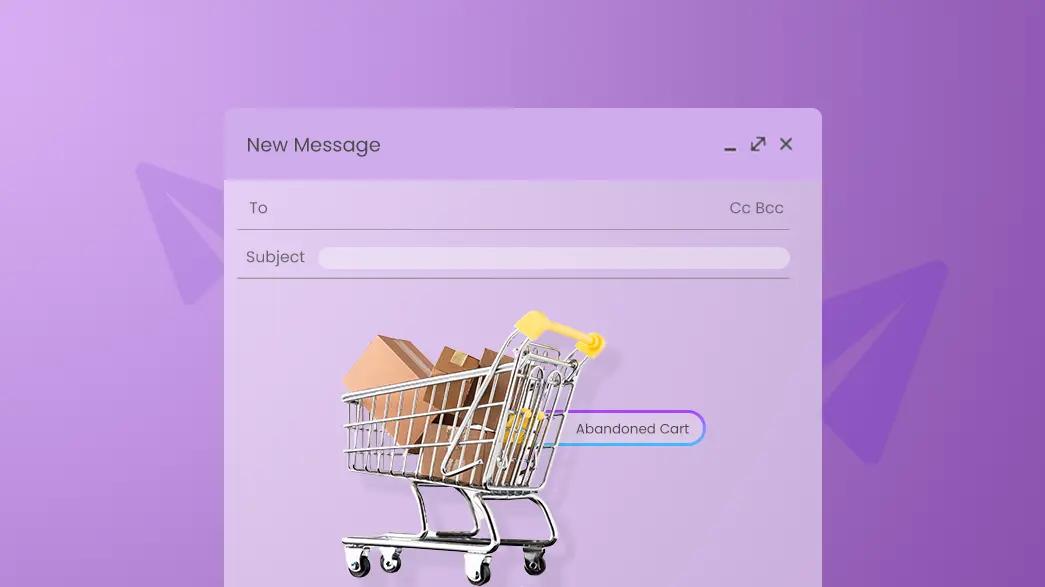
Let’s face it: online shopping can sometimes feel like the digital version of “one size fits all.” Ever searched for a new pair of sneakers only to have the website suggest a frying pan? Close, but not quite. That’s the challenge for most e-commerce brands—turning a generic shopping experience into one that feels custom-tailored to each shopper.
But some brands have cracked the code. Take Sephora, for example. They’ve turned e-commerce personalization into an art form.
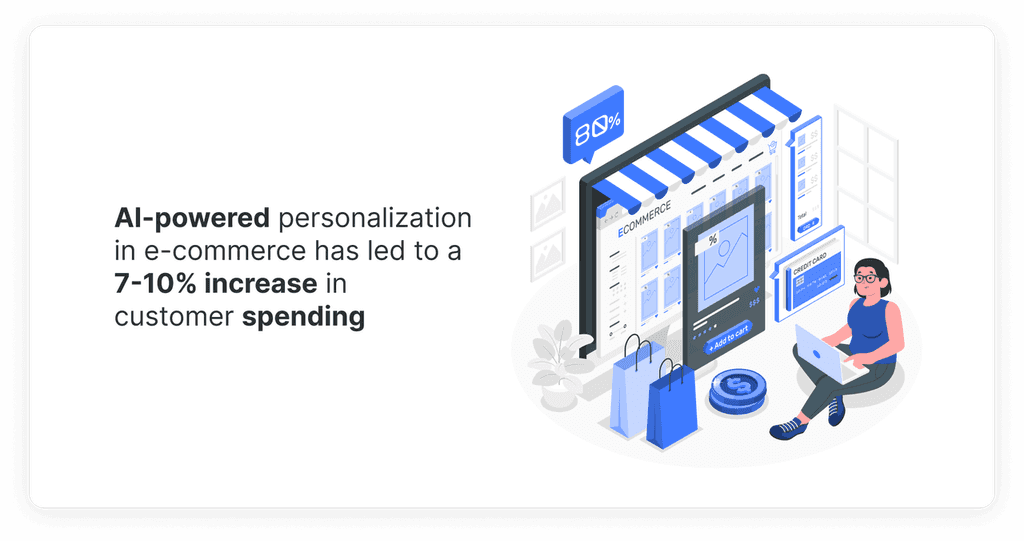
From product quizzes that match customers with the perfect foundation to loyalty perks that feel more like personal gifts, Sephora makes every shopper feel seen. And here’s the kicker: 80% of customers are more likely to buy from brands that personalize their experience.
So, how do you get there? How do you create those moments of connection that make your customers think, “Wow, this brand really gets me”?
That’s where this guide comes in. Together, we’ll explore why personalization is a must-have for your e-commerce strategy, spotlight areas you can tailor for impact, and dive into 10 real-world examples from brands doing it right.
By the end, you’ll have actionable strategies to create the kind of experience that not only keeps customers coming back but turns them into loyal fans.
Ready to level up? Let’s dive in!
Why Personalization Matters in Ecommerce
Picture this: you walk into a store, and instead of endless aisles of random products, every shelf is stocked with items you’ve been eyeing or might genuinely need. That’s the power of personalization, but in the world of e-commerce, it’s done through data, algorithms, and thoughtful customer engagement.
Personalization isn’t just about making customers feel special; it’s about delivering a tailored experience that solves problems, streamlines decision-making, and builds stronger connections.
And the results speak for themselves: businesses that implement personalization see higher conversion rates, lower cart abandonment, and increased customer loyalty.
Benefits of Ecommerce Personalization
More Relevant Content and Offers: Customers receive curated product recommendations and exclusive deals that align with their preferences.
Better Product Discovery: By understanding what customers need, you can introduce them to products they might have missed.
Improved Customer Experience: Every step of the customer journey feels seamless and tailored, making shopping more enjoyable.
Reduced Cart Abandonment: Personalized reminders—like an email saying, “Hey, don’t forget this!”—can help nudge customers toward completing their purchase.
Boosted Customer Loyalty: A personalized shopping experience fosters trust and long-term relationships, transforming first-time buyers into loyal customers.
When personalization is done right, it creates a win-win: customers find what they’re looking for quickly, and brands see increased repeat purchases and stronger customer retention.
It’s more than a strategy—it’s a necessity in today’s competitive e-commerce landscape.
Key Areas to Personalize in Your Ecommerce Strategy
Personalization in e-commerce extends far beyond just adding a customer’s name to an email. It touches every aspect of the shopping experience, making it more relevant and engaging. Here’s where you should focus your efforts:
1. Homepage Content
Your homepage is prime real estate for personalization. Dynamic content that showcases products based on a visitor’s browsing history, location, or preferences can create an instant connection. For instance, highlight seasonal items or popular products tailored to the shopper’s interests.
2. Product Recommendations
Shoppers are more likely to convert when shown items that match their preferences. Use insights from customer's past purchases, browsing behavior, and similar customer profiles to recommend products. This strategy works wonders for cross-selling and upselling, too.
3. Email Campaigns
Personalized email campaigns are a cornerstone of effective e-commerce marketing. From abandoned cart reminders to tailored post-purchase suggestions, emails designed to address individual needs drive engagement and boost conversions.
4. Pop-Ups and On-Site Messaging
Pop-ups can be personalized based on where the customer is in their journey. For new visitors, offer a first-time discount; for repeat customers, highlight VIP perks. The key is to make the message relevant without disrupting their experience.
5. Shopping Cart
Personalization here can reduce cart abandonment. Features like dynamic discount codes, reminders for frequently bought items, or even upsell opportunities can help customers move from browsing to buying.
6. Search Results
Make search smarter by tailoring results to individual customers. Personalized search considers customer segments, previous interactions, and preferences, making it easier for shoppers to find what they need.
7. Post-Purchase Engagement
After the sale, the opportunity for personalization doesn’t end. Follow up with complementary product recommendations, customer feedback surveys, or loyalty program incentives. This keeps customers engaged and encourages future purchases.
8. Loyalty Programs
Personalized loyalty programs can dramatically increase engagement. By focusing on ways to create personalized loyalty programs, you can offer rewards based on a customer’s purchasing habits, like discounts on their favorite categories or early access to sales. This not only boosts loyalty but also increases customer lifetime value.
9. Transactional Emails
Even functional emails, like order confirmations or shipping updates, can include personalized touches. Add recommendations based on their purchase, or invite them to explore similar products, turning routine communication into an upsell opportunity.
10 Ecommerce Personalization Tactics That Drive Results
When it comes to e-commerce personalization, theory is great—but real-world tactics are what drive results. Below, we’ve outlined ten actionable strategies, paired with examples from brands that are mastering personalization.
These tactics are designed to enhance customer engagement, improve conversion rates, and foster customer loyalty.
1. Create Engaging Website Popups
Popups can be a double-edged sword. When done poorly, they’re an annoyance. But when crafted with personalization in mind, they become powerful tools to capture attention and drive conversions.
B-Wear, an apparel brand, nails it by showing popups tailored to the user’s actions.
For example:
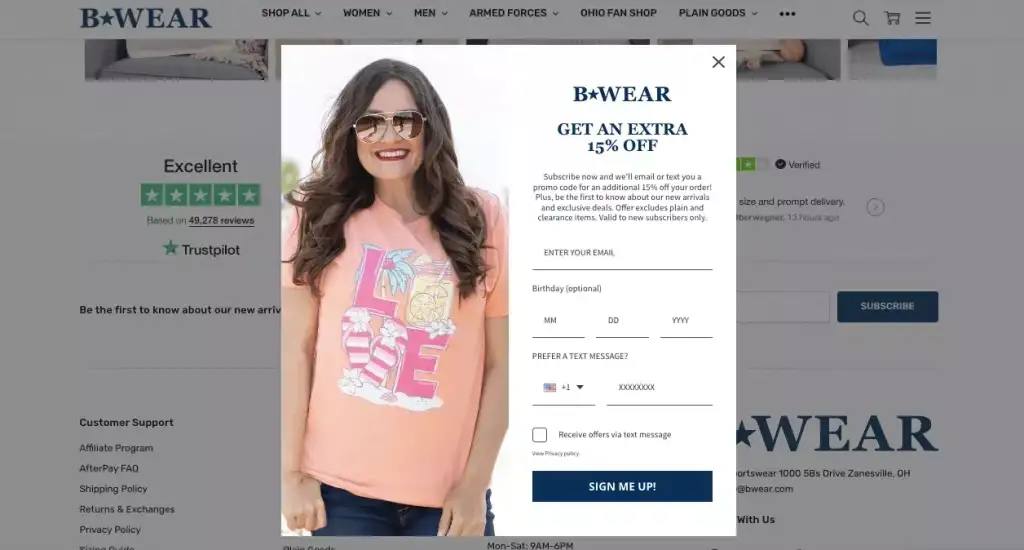
First-time visitors see a discount popup encouraging them to sign up for the email list.
Returning customers are greeted with VIP offers or early access to new collections.
Exit-intent popups appear just as a customer is about to leave, offering an incentive like free shipping.
Key takeaway: Timing and relevance are everything. Popups should provide real value, whether it’s a discount, an exclusive offer, or tailored product recommendations based on browsing behavior.
2. Recover Abandoned Carts with Reminder Emails (Amundsen Sports)
Abandoned carts are one of the biggest pain points in e-commerce, but personalized emails can help bring customers back to complete their purchase. Amundsen Sports, an outdoor apparel brand, has perfected the art of the cart recovery email.
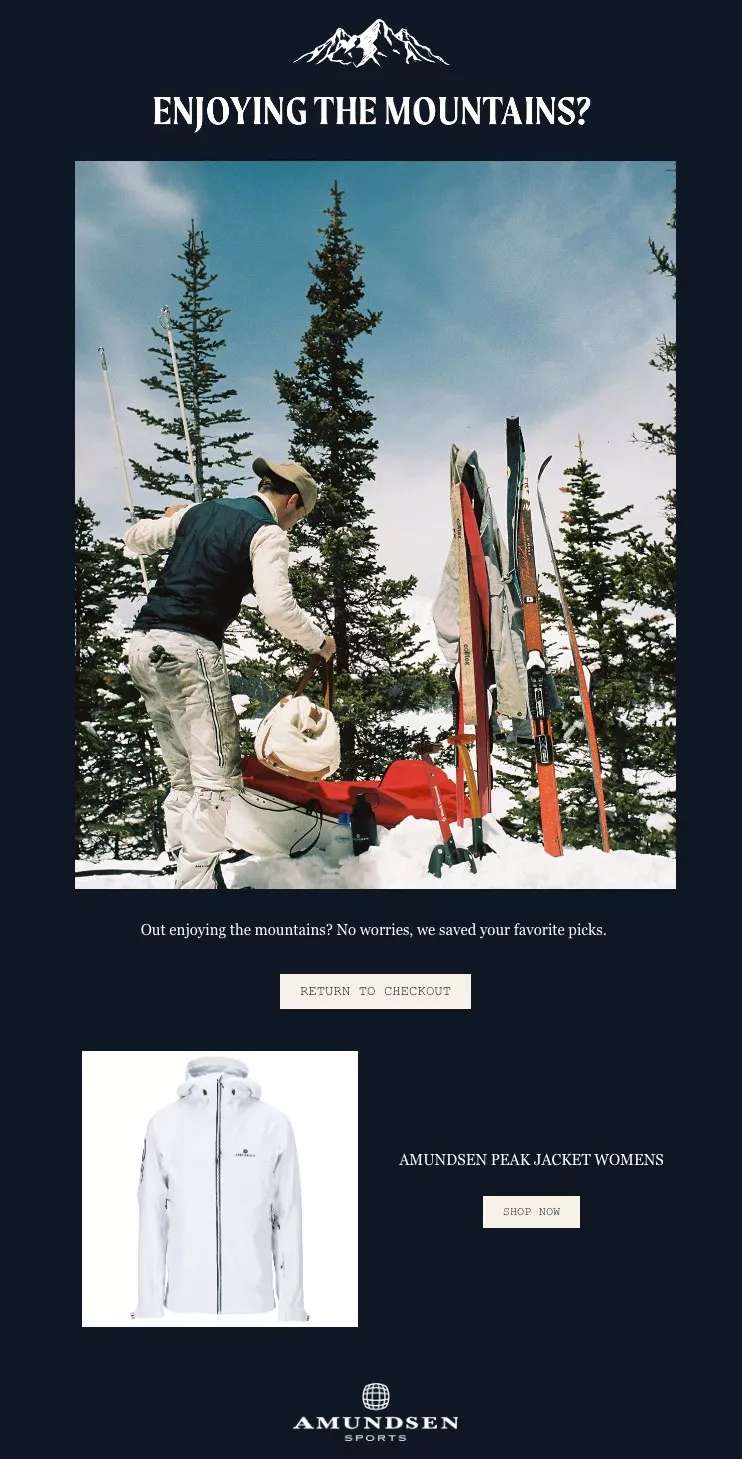
Their strategy includes:
A reminder email sent within 24 hours of the cart being abandoned, featuring the exact items left behind.
Incentives like a limited-time discount or free shipping to encourage action.
Urgency triggers, such as “Only 2 left in stock!” or “This offer expires in 24 hours.”
What makes these emails effective? They don’t just remind customers of their cart—they provide personalized reasons to act quickly.
Adding recommendations for complementary products based on the abandoned items can also boost order value.
3. Win Back Customers with Targeted Offers Emails
Every e-commerce brand deals with inactive customers. The solution? Personalized win-back campaigns that reignite interest. Island Olive Oil Company, a specialty food retailer, uses this tactic brilliantly.
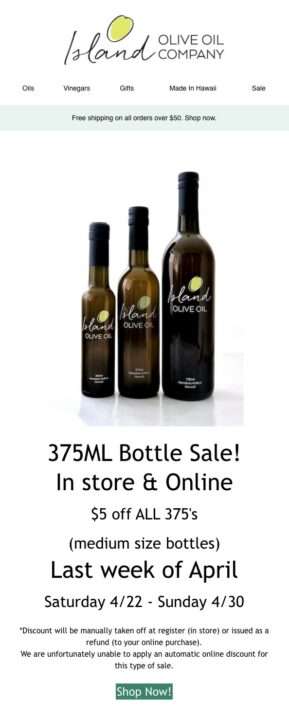
Their win-back emails include:
Exclusive offers like “20% off your next purchase” to reward returning customers.
Personalized product suggestions based on past purchases, ensuring relevance.
Engaging subject lines like “We Miss You! Come Back for a Treat.”
These targeted offers make customers feel valued and appreciated, turning dormant shoppers into active buyers.
The key is crafting messages that show you remember their preferences while offering a compelling reason to return.
4. Help Shoppers Choose with Product Quizzes
Sometimes, customers need a little guidance to find the perfect product. Enter product quizzes, which turn indecision into engagement.
Jack Mason, a luxury watch brand, uses this personalization tactic to help customers discover their ideal timepiece.
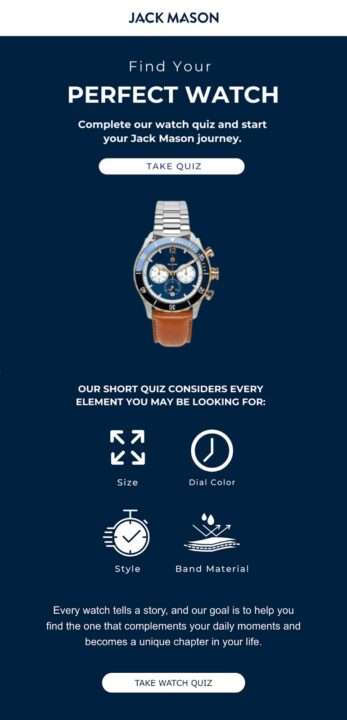
Here’s how they do it:
Interactive quizzes that ask questions about style preferences, budget, and intended use.
Tailored results showcasing watches that align with the customer’s answers.
Direct calls-to-action encouraging customers to shop their personalized selection.
The beauty of quizzes lies in their dual purpose—they guide customers while also helping you gather customer data. This valuable information can then be used to enhance future personalization efforts.
Plus, the interactive nature of quizzes makes the shopping experience more enjoyable.
5. Recommend Products Through Push Notifications
Push notifications are a highly effective way to re-engage shoppers and deliver personalized recommendations. H&M sets a great example by creating notifications that feel helpful rather than intrusive.
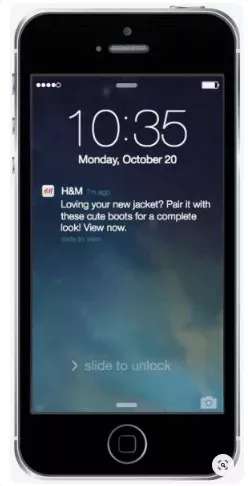
In one of their campaigns, H&M recommended boots to complement a jacket recently purchased by the user. This tactic is a masterclass in using customer data to enhance the shopping experience.
Key strategies from H&M’s approach:
Contextual Relevance: Notifications are tailored to recent purchases or browsing history, offering genuinely useful suggestions.
Actionable Language: Phrases like “Pair it with these cute boots for a complete look!” encourage users to act.
Timely Delivery: Sending notifications at the right moment—such as after a purchase or during peak engagement hours—maximizes impact.
This personalized approach not only drives customer engagement but also increases repeat purchases, creating a seamless shopping experience.
6. Re-Target Users on Instagram
Instagram ads are a goldmine for retargeting, and Tropic Feel takes full advantage by combining dynamic visuals with personalized messaging.
One example features their Nest Backpack, showcasing its unique features like adjustable capacity and specialized compartments.
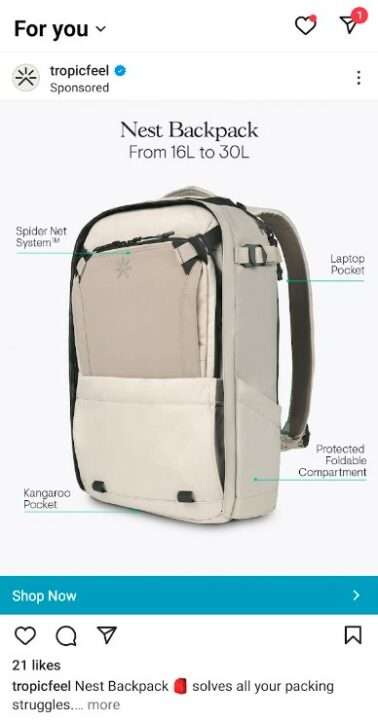
This ad aligns perfectly with their target audience—adventurous travelers—and uses retargeting to remind viewers who previously interacted with the product to revisit it.
What makes Tropic Feel’s Instagram strategy work:
Dynamic Visuals: Their ads highlight product features with clear labels, making the value immediately apparent.
Personalized Retargeting: Ads are shown to users who viewed the product or engaged with related content, ensuring relevance.
Engaging Copy: Phrases like “Solves all your packing struggles!” directly address the customer’s pain points, increasing the likelihood of a click-through.
Instagram’s visual-first platform allows brands like Tropic Feel to tell a story, making their retargeting ads both informative and captivating.
7. Deliver Tailored Product Recommendations
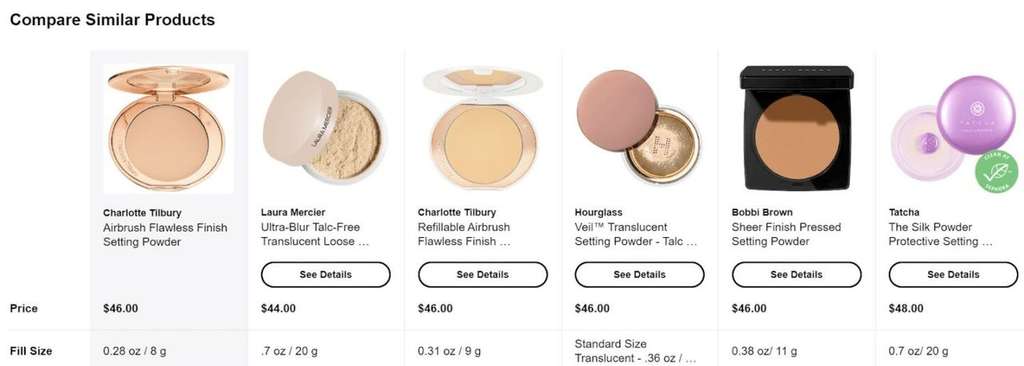
Sephora is a personalization powerhouse, leveraging customer behavior and purchase history to create tailored product recommendations that drive conversions.
One of Sephora’s standout features is their comparison tool.
For example, customers searching for setting powders are presented with a personalized lineup of options based on price, size, and brand preferences.
This makes it easy for shoppers to find the perfect match without feeling overwhelmed.
Here’s what makes Sephora’s approach so effective:
Visual Organization: Products are displayed side by side, allowing customers to compare features and prices effortlessly.
Smart Recommendations: Items are tailored to previous purchases, searches, or preferences, ensuring relevance.
Actionable CTAs: Buttons like “See Details” guide users toward making a decision without hesitation.
This level of personalization enhances the customer experience and encourages shoppers to explore additional products, ultimately boosting average order value.
8. Maximize Conversions with Personalized Messaging
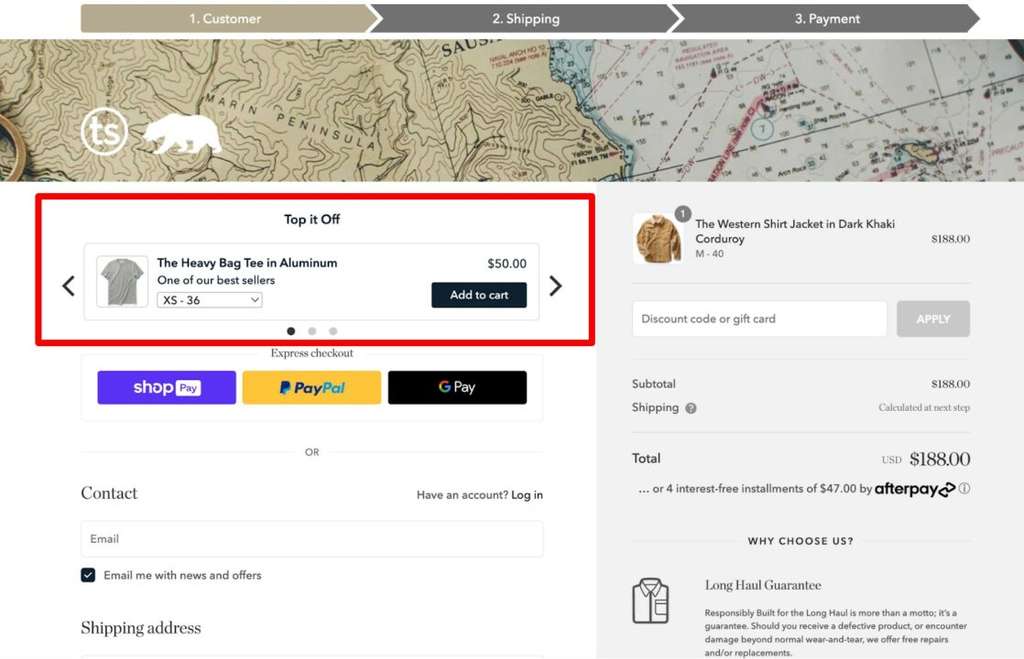
At the checkout stage, personalization can make or break a sale. Taylor Stitch excels here by incorporating upsell messaging directly into the checkout process.
For instance, customers purchasing a jacket might see an upsell for a matching shirt, complete with an “Add to Cart” button that simplifies the buying process. This is a prime example of using personalized messaging to maximize conversions.
Taylor Stitch’s winning tactics include:
Strategic Placement: The upsell appears at checkout, where customers are already in the buying mindset.
Relevant Recommendations: Suggestions are based on the current purchase, ensuring they feel natural and helpful.
Seamless Integration: Adding an item to the cart is effortless, eliminating friction and increasing the likelihood of a higher order value.
By using personalized messaging at this crucial stage, Taylor Stitch not only increases sales but also enhances the overall shopping journey.
9. Run Geo-Targeted Ads for Local Customers
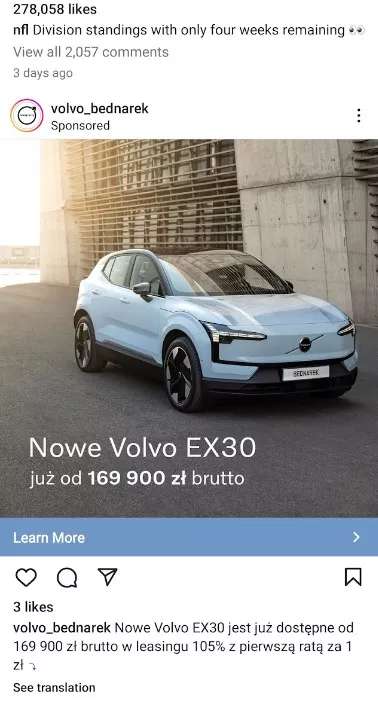
Ecommerce personalization reaches new heights with geo-targeted ads, which allow brands to connect with local customers through location-specific content. Volvo Poland provides an excellent example with their Instagram campaign for the Volvo EX30.
By using personalized messaging to highlight leasing options and pricing tailored to Polish audiences, they create a customer experience that feels relevant and engaging.
What makes this approach successful:
Localized Messaging: The ad leverages regional language, currency, and customer insights to resonate with the Polish audience, improving customer satisfaction.
Tailored Offers: Highlighting location-specific leasing deals and affordable payment plans boosts customer engagement and conversions.
Visual Appeal: The sleek design of the Volvo EX30 paired with its competitive advantage as an eco-friendly car makes the ad stand out.
Geo-targeted ads like these demonstrate how analyze customer data and customer demographics can be used to enhance personalization efforts.
This strategy boosts customer retention by addressing the unique needs of local markets, fostering loyal customers.
10. Enhance UX with Dynamic Page Content (ASOS)
A dynamic and personalized ecommerce site is key to delivering a seamless customer experience, and ASOS excels in this area.
By tailoring their homepage content to different segments of users, they provide a shopping journey that’s intuitive and engaging.
For example:
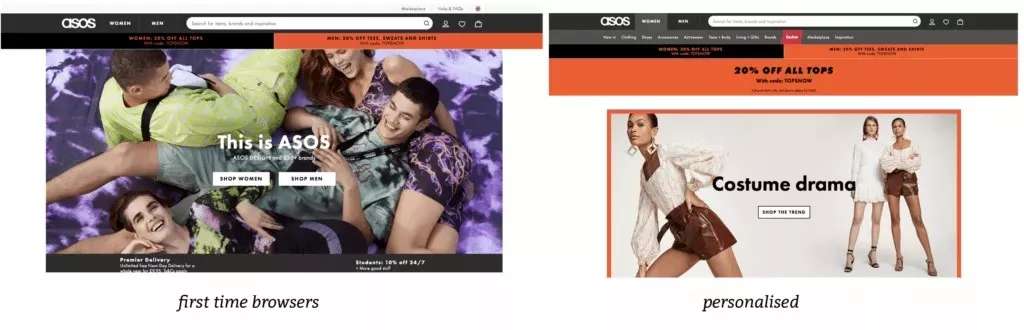
First-Time Visitors: ASOS showcases their diverse product range and general promotions to encourage exploration and improve customer loyalty.
Returning Customers: Personalized banners and curated product suggestions based on browsing behavior and purchase history keep the experience relevant and enticing.
Key takeaways from ASOS's personalization strategy:
Relevance: By tailoring homepage content to display personalized recommendations, ASOS ensures users are greeted with products that reflect their customer preferences.
Targeted Promotions: Exclusive discounts or deals, based on previous shopping patterns, drive repeat purchases and build customer loyalty.
Streamlined Navigation: Dynamic elements simplify the shopping experience by helping users find relevant products quickly, leading to a more personalized shopping experience.
ASOS’s approach to ecommerce personalization illustrates the benefits of using ecommerce personalization technologies to create personalized experiences for individual customers.
By integrating customer data and leveraging personalized recommendations, they deliver an enhanced customer experience that encourages shoppers to return again and again.
Conclusion: Hyper Personalization as a Growth Strategy
When it comes to ecommerce personalization, delivering meaningful, tailored experiences isn’t just a nice touch—it’s essential for building customer loyalty, driving repeat purchases, and staying competitive.
Whether it’s through dynamic homepage content, personalized messaging, or geo-targeted ads, these ecommerce personalization examples highlight the potential of a strong ecommerce personalization strategy.
But here’s the thing: implementing these personalization tactics can be overwhelming, especially without the right tools. That’s where a platform like GoCustomer comes into play.
With GoCustomer, you’re not just automating email campaigns—you’re creating personalized customer service experiences that truly resonate with your customers. Its AI-driven approach helps analyze customer data, tailor messaging to individual preferences, and automate follow-ups that keep your brand top-of-mind.
GoCustomer makes it simple to deliver personalized content, whether you’re sending product recommendations, reminders, or tailored promotional offers.
The best part? GoCustomer isn’t just about automation—it’s about creating connections.
From personalized recommendations to beautifully crafted emails that land right in the primary inbox (not spam), it’s designed to enhance customer engagement and build lasting relationships.
So, as you begin implementing these personalization tactics in your e-commerce strategy, having a platform like GoCustomer ensures that the process is seamless, efficient, and—most importantly—effective. Because personalization isn’t just a trend; it’s the future of e-commerce.
Ready to take your personalization efforts to the next level? Let GoCustomer guide the way!

Reach more customers with your cold emails
Table of Contents
In a nutshell
Personalization enhances customer satisfaction and engagement by providing a shopping journey that feels relevant to each individual, which can lead to increased conversion rates and customer loyalty.
Common methods include personalized product recommendations, upselling and cross-selling, personalized email marketing, dynamic website content, and retargeting ads.
Small businesses can start by collecting and analyzing customer data, segmenting their audience, and using tools that offer personalization features to deliver tailored content and recommendations.
Personalization is driven by the retailer, using customer data to tailor the shopping experience automatically. Customization is controlled by the customer, allowing them to modify their experience or products to their liking.
AI analyzes vast amounts of customer data to identify patterns and predict behaviors, enabling more accurate and scalable personalization across various touchpoints.
Subscribe to our Newsletter!
Digital advice costs money but we send it to
your inbox for free.
Related Blogs

Time is Money, and We're About to Save You Both!
Book a quick demo of our email marketing tools and watch as we transform your leads into loyal customers.

![A loop illustration w-auto h-[70px]](/_next/image?url=%2F_next%2Fstatic%2Fmedia%2Fvector1.7738e6de.png&w=256&q=75 "GoCustomer Platform Image")

Get in touch
Subscribe to our weekly Newsletter and receive updates via email.