
Email Marketing
Published:
Email Marketing
Qasim Farooq
Share
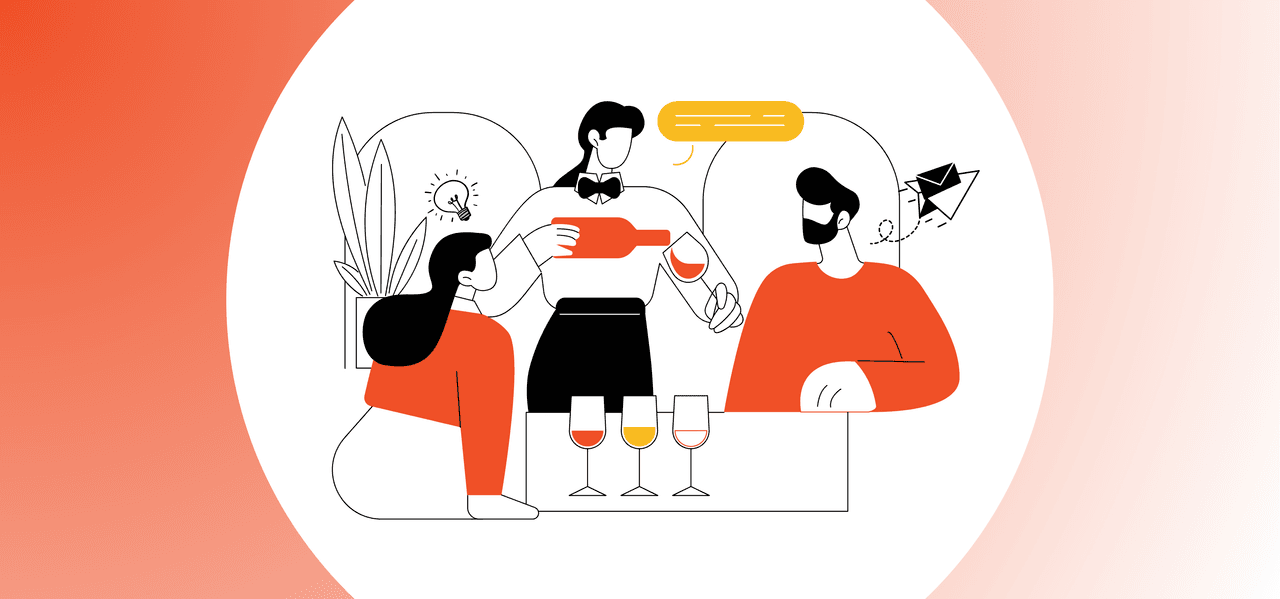
Pop the cork on your inbox strategy—because just like a good bottle of wine, your email campaign deserves more than a twist-off approach.
In the world of wine, everything matters: the aroma, the label, the pour, the pause before the first sip. That same care and craft should carry into how you show up in your customer’s inbox.
After all, if your Pinot deserves a nice glass, shouldn’t your emails get the same kind of treatment?
Trying to stand out in a crowded inbox? Wondering how to turn browsers into buyers—and buyers into brand loyalists who know their Tempranillo from their Touriga?
A well-crafted wine email campaign can do exactly that. It can move bottles, tell your vineyard’s story, and build the kind of brand love that keeps corks popping year-round.
Whether you’re running a boutique winery, managing an online wine store, or handling marketing for a national brand, your email strategy should have as much depth as your wine list.
This blog breaks it all down step by step—from building the right list to writing subject lines that spark curiosity, to automating campaigns that feel anything but automated.
And the best part? No corkscrew (or full-blown marketing department) required.
Let’s get pouring.
Why Wine Marketing Needs a Special Touch
Wine isn’t your average product. It’s layered, expressive, and deeply personal. Every bottle tells a story—of place, process, and people. So when it comes to email marketing, sending the same cookie-cutter message just won’t do.
The wine industry thrives on relationships. Whether you're running a family-owned vineyard or scaling online wine sales, your emails need to reflect the same care you put into the winemaking process. Generic promotions won’t hold attention in crowded inboxes.
Your audience expects relevant content, a sense of community, and a reason to click that feels more thoughtful than transactional.
Email marketing gives you something few other digital marketing channels can offer—a direct connection. And when done right, it can boost customer engagement, increase sales, and build loyalty that outlasts seasonal trends.
If you want to turn casual buyers into wine club members or move limited edition wines faster than you can restock them, a smart campaign is your best pour.
Step-by-Step Wine Email Marketing That Builds Loyal Sippers
Marketing emails aren’t just about pushing products. They’re about telling your brand’s story in a way that feels personal and worth opening. For most wineries, that starts with a shift in mindset—from sending to connecting.
This guide will walk through how to craft email campaigns that bring real value to your subscribers.
Whether you’re starting from scratch or refining your current approach, these steps are designed to help you create a wine email marketing system that feels authentic, builds trust, and supports your wine business goals.
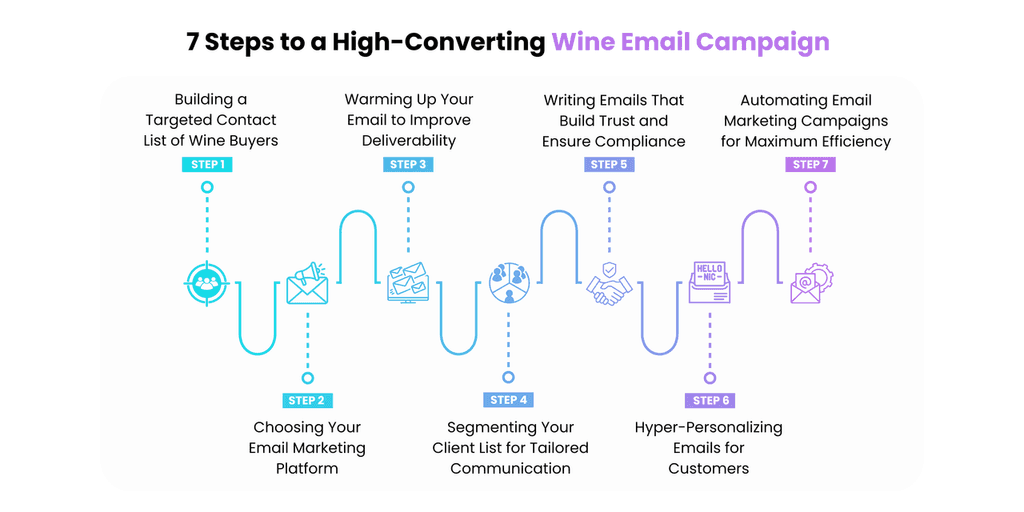
Step 1 – Building a Targeted Contact List of Wine Buyers
A strong subscriber list is the backbone of your winery’s email marketing. Not just a big list—but the right one. If you want better open rates and real conversions, you need to build a list filled with people who’ve shown real interest in your wine, your story, and your offers.
Where to Find Wine Email Subscribers
Pop-ups and embedded forms on your website: Your website is more than a storefront—it’s a collection point for curious visitors and returning fans. A well-placed pop up offering a free wine pairing guide or early access to new releases can be the nudge someone needs to subscribe.
Social media contests and lead magnets: Contests and giveaways work well for growing your subscriber list, especially when paired with a valuable freebie like a seasonal wine guide or downloadable tasting sheet. Use your social media reach to bring in wine enthusiasts who are already interested in your brand.
Event RSVPs and tasting signups: If you host events, tastings, or winery tours, use those touchpoints to collect emails. People who RSVP for events are already interested—they’re ideal new subscribers who are more likely to engage with your emails later.
In-store visitors and loyalty cards: If you have a tasting room or retail location, train your staff to invite signups at checkout. Offering loyalty points or a discount on a future purchase makes signing up an easy choice for in-person shoppers.
Getting the Right Kind of Leads
Not every email is a good email. And in the wine world, quality beats quantity every time.
Only collect emails from people over legal drinking age: Responsible marketing starts with age compliance. Make sure your forms include a birthdate field or checkbox confirming legal drinking age.
Capture wine preferences if possible: Asking whether someone prefers red, white, or sparkling doesn’t just help you segment your list—it helps you send emails they’ll actually care about.
Use double opt-in to stay compliant: A confirmation email helps keep your list clean and your engagement high. It also adds a layer of protection against spam complaints or fake signups that could hurt your deliverability.
Step 2 – Choosing Your Email Marketing Platform
You don’t need a massive team to run great email campaigns—but you do need the right tools. Your email platform should make it easy to send campaigns, track results, and stay compliant with marketing regulations specific to the wine industry.
Features Wine Brands Should Look For
Age verification support: Your platform should let you add custom fields or filters so you can confirm subscriber age, especially when promoting wine online.
Visual email builder: You want drag-and-drop design tools that make it simple to build beautiful emails—no design skills required.
eCommerce integrations: Look for tools that connect easily with platforms like Shopify or WooCommerce so you can link products, track wine sales, and send emails based on previous purchases.
Segmentation and automation tools: Not every subscriber is ready for the same message. Automation features let you send the right offer to the right person at the right time—without writing every email from scratch.
Recommended Tools for the Wine Industry
Mailchimp is ideal for those just starting out.
Klaviyo offers great eCommerce features and deeper segmentation.
Omnisend is a strong choice for product-focused businesses.
Drip is ideal if your audience expects highly personalized content and behavior-based triggers.
All of these platforms support automated campaigns, detailed customer profiles, and the ability to build long-term relationships through smarter marketing—not just more emails.
Step 3 – Warming Up Your Email to Improve Deliverability
Even with the perfect campaign, your emails won’t work if they never land in someone’s inbox. Warming up your sender reputation helps email providers recognize you as a trusted sender. It’s one of the simplest but most overlooked steps in email marketing.
What Warming Up Actually Means
It’s about gradually introducing your sender identity to inbox providers. When a brand-new email address suddenly sends to thousands of people, it raises red flags. But if you start slow, your address earns credibility, and your emails are more likely to land where they should—not in spam folders.
This isn’t just about tech—it’s about giving your campaigns the best chance to succeed from the start.
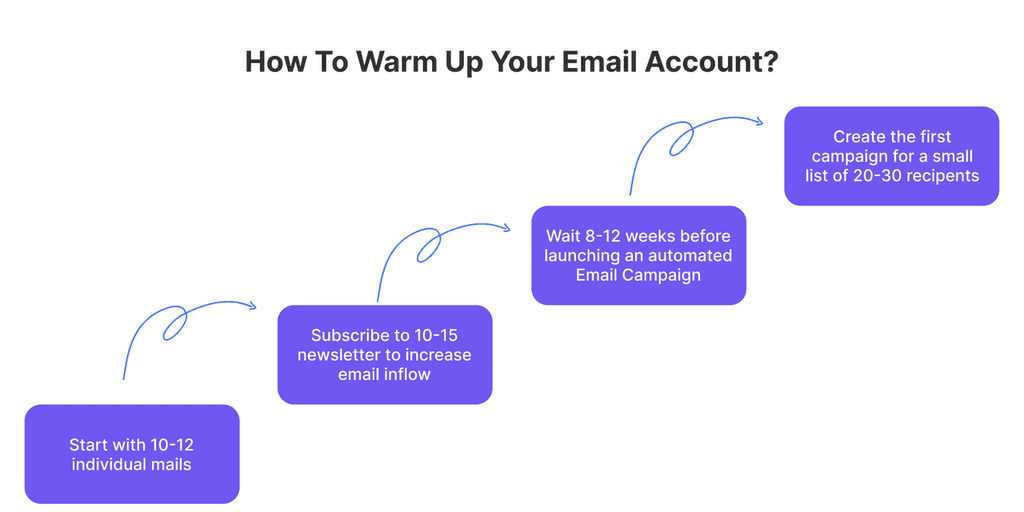
Simple Email Warm-Up Schedule
Start with your most engaged contacts: Begin by sending to a small group of your most active subscribers. These are the people most likely to open, click, and reply—which signals inbox providers that your content is welcome.
Increase volume gradually: Over one to two weeks, slowly grow your send volume. Keep an eye on key email marketing metrics like open rates, bounce rates, and complaints.
Monitor everything closely; If bounce rates start creeping up or engagement drops, pause and reassess. The goal is to build a solid foundation before launching bigger campaigns.
Step 4 – Segmenting Your Client List for Tailored Communication
When it comes to wine, personal taste is everything. Some of your subscribers are all about bold reds. Others? Light white wines, chilled and ready for summer. That’s exactly why segmentation is one of the most powerful tools in wine email marketing. If you're still sending one-size-fits-all emails, you’re probably leaving engagement—and wine sales—on the table.
Segmentation helps you send targeted emails that reflect your customer’s preferences, history, and behavior. Whether you’re recommending limited edition wines to collectors or pitching a seasonal bundle to casual sippers, the more personalized your messages, the more likely they’ll convert.
Why Segmentation Is Crucial in Wine Marketing
Every wine lover has their own palate. Some are collectors. Others are here for the occasional Tuesday-night glass. Trying to market to everyone with the same message waters down your email marketing efforts.
Tailored content respects those differences. It helps you build trust, stay relevant, and increase conversion rates without sounding like a sales machine. That’s why most wineries with strong email campaigns treat segmentation as a must, not a maybe.
Smart Ways to Segment a Wine Audience
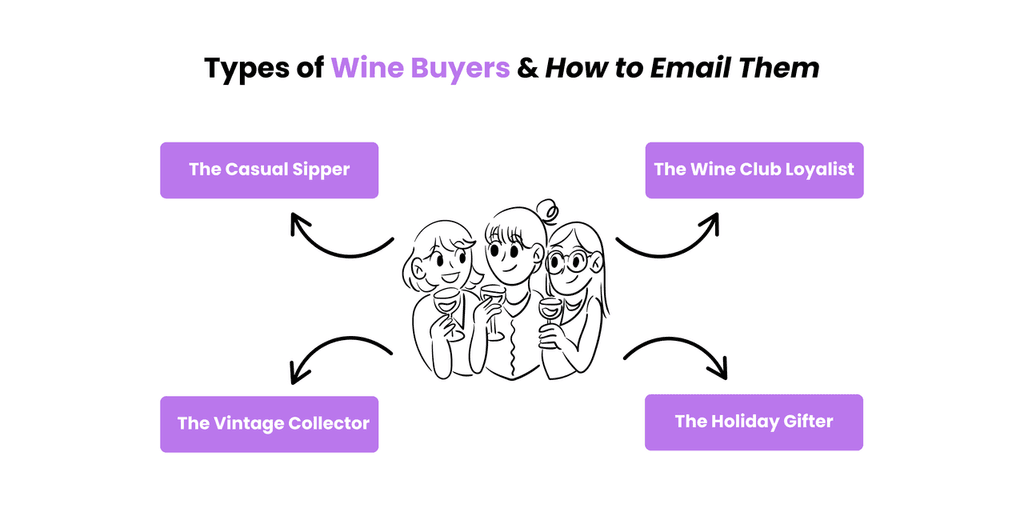
By wine type preference: Separate fans of red, white, rosé, and sparkling. Someone who loves crisp sauvignon blancs probably doesn’t care about your new bold Cabernet release.
By customer lifecycle: New buyers need nurturing. Wine club members expect exclusive promotions. VIPs deserve early access or thank-you offers. Each group requires a different approach to stay engaged.
By geography or shipping zones: Not every wine can be shipped everywhere. Save time (and avoid complaints) by segmenting based on shipping eligibility. This ensures you're only promoting products that are actually available in a subscriber’s region.
These segments help you deliver personalized wine recommendations, boost email content relevance, and maintain strong relationships with both new and returning customers.
Step 5 – Writing Emails That Build Trust and Ensure Compliance
Once your list is in place and segmented, it’s time to talk about what you're actually sending. The best marketing emails feel more like an invitation than a promotion. They tell a story, they offer something of value, and they keep your subscribers wanting more.
In the wine industry, building trust is essential. That means your email content needs to inform, inspire, and comply with the rules—all at once.
How to Write Copy That Wine Buyers Actually Read
Keep it human: No one wants to read a sales pitch in disguise. Your emails should sound like they’re written by a person who understands wine—not a robot trying to promote products. A conversational tone helps build connection with your audience.
Highlight what matters: Use tasting notes, seasonal food pairings, and vineyard anecdotes to bring your products to life. These details don’t just sell wine—they create moments your audience wants to be part of.
Don’t overcomplicate it: Skip the jargon. Stick to language your subscribers can connect with. Most readers skim, so make it easy for them to get the message in just a few lines.
Whether you’re sending a welcome email, promoting a special release, or announcing a tasting room event, make the message feel personal, timely, and valuable.
Legal and Ethical Requirements
Wine is a regulated product, and your emails need to reflect that. The rules aren’t just red tape—they’re part of running a responsible wine business.
Age restrictions and disclaimers: Make sure your emails confirm that content is only intended for recipients over the legal drinking age. If your campaign promotes alcohol, include any required disclaimers, especially around availability and shipping.
Unsubscribe options and consent: Every email should include a clear and easy way to unsubscribe. Double opt-in methods and proper consent tracking aren’t just best practices—they’re legal requirements under CAN-SPAM and GDPR.
Stay aware of local laws: Different regions have different rules around alcohol advertising. Be sure you understand where your emails are going and what’s allowed in those areas.
Following these rules doesn’t make your emails boring—it makes them trustworthy. And in this business, trust is everything.
Step 6 – Hyper-Personalizing Emails for Customers
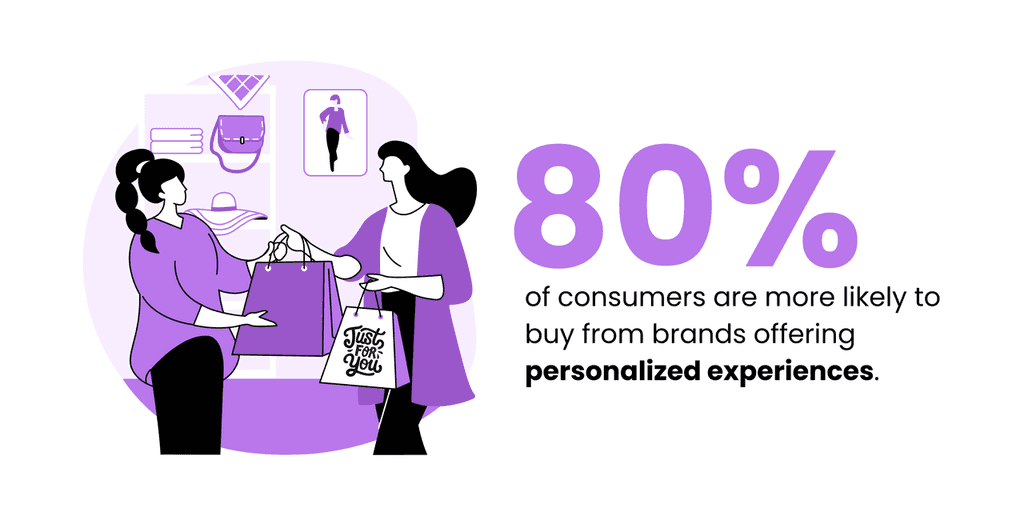
In the wine industry, no two customers are alike—and your emails shouldn't be either. Personalization has become one of the most effective strategies in modern email marketing campaigns. It’s how smart wineries connect with their audiences, build trust, and drive sales without shouting into the void of people’s inboxes.
Hyper-personalization isn’t about gimmicks. It’s about using the right data to deliver valuable content that speaks to each subscriber’s taste, behavior, and buying patterns. In a space where quality matters and presentation is everything, this is just the tip of what smart winery marketing strategies can achieve.
Making Each Email Feel Like It Was Made for Them
Your email list is your most valuable asset—so treat it with care. Use purchase history and stated preferences to send compelling content that resonates. Whether it’s promoting products based on past orders or offering personalized recommendations for seasonal wine selections, relevance is what turns a good message into a great one.
Subscribers who regularly order wine online are more likely to respond when your message feels timely and personal. Start with small details like:
Using their first name in subject lines
Sending wine suggestions based on previous purchases
Offering reorder nudges timed to their usual buying cycle
Highlighting key moments like anniversaries or birthdays with special offers
These tactics help you identify areas where you can improve engagement and improve open rates and click through rates—all while making customers feel seen and appreciated.
Utilize GoCustomer to Hyper Personalize Emails
To scale this kind of personalization without a full marketing team, GoCustomer is the platform you want in your toolkit.
GoCustomer is an AI-powered email marketing automation solution designed for brands that need more than templates and generic workflows. It enriches subscriber data by pulling from sources like LinkedIn and websites, using smart agents to collect the kind of context you’d normally only get from a conversation.
One of its standout tools—the LinkedIn Agent—lets you provide a contact’s LinkedIn URL, and it automatically fetches details like recent activity, job titles, and background info.
That makes it possible to craft email content that speaks directly to who the customer is—not just what they last bought.
For wineries, this is a powerful tool. Imagine sending tailored emails to potential customers who’ve expressed interest during a tasting event, or to inactive subscribers with content that reconnects them to your brand.
GoCustomer lets you do that at scale, combining drip campaigns with real-time data to help your winery's email marketing deliver more wine to more customers.
Instead of guessing what your audience wants, GoCustomer helps you serve personalized content based on what they actually do, what they like, and how they interact with your winery online. It turns a generic blast into a direct conversation—and that’s where conversion rates start to climb.
Step 7 – Automating Email Marketing Campaigns for Maximum Efficiency
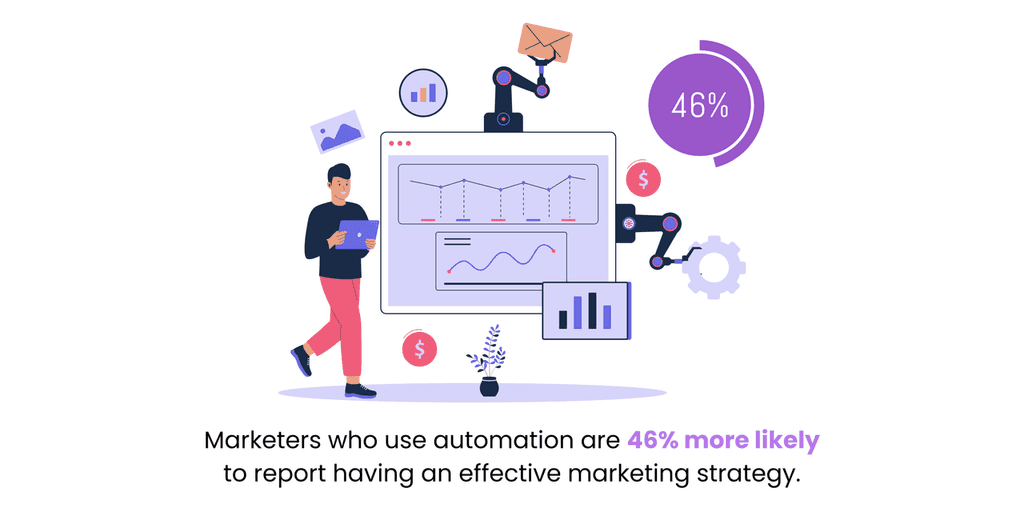
Great email marketing campaigns are built on consistency and timing—but doing everything manually can eat up time and slow down momentum. That’s why email marketing automation is a must-have for any winery looking to scale while staying personal.
Automation helps you deliver compelling content at the right moment, to the right person, without burning out your team. And the best part? When done right, it feels just as thoughtful as a handwritten note.
Must-Have Wine Email Sequences
Every winery needs a few foundational campaigns running in the background. These aren’t just helpful—they’re essential if you want to stay connected with your audience and drive sales consistently.
Welcome email series: Make a memorable first impression with new subscribers. Share your story, explain your winemaking process, and offer a small incentive to start the relationship. It’s a great strategy for building long-term loyalty.
Abandoned cart follow-ups: Many people browse wine online and leave without checking out. A timely email can bring them back with a reminder—and maybe a small nudge like a free shipping offer.
Reorder reminders: Use purchase data to track when someone is likely running low and send a reminder before they go elsewhere. It's a smart way to get more wine into repeat customers' hands.
Birthday or anniversary offers: These messages boost customer engagement by making your emails feel personal. Pair them with exclusive discounts or limited-time offers for a nice touch.
Seasonal launches: Whether it’s summer rosé or winter reds, seasonal emails can help you promote new releases and keep customers engaged year-round.
These sequences aren’t just about promoting products—they’re about building trust, reinforcing your brand, and showing up consistently in people’s inboxes.
Keeping Automation Human
Automation shouldn’t sound automated. That’s where a little finesse makes a big difference.
Use personalized recommendations in every automated campaign. Include real support contact info and encourage replies. It’s a small gesture that helps potential customers feel like they’re not just getting another email—they’re hearing from a team that cares.
And remember to balance sales messages with valuable content. Share updates from the vineyard, insights into your winemaking process, or behind-the-scenes stories. These help humanize your brand and make your email marketing campaigns more than just sales pitches.
In short, automation lets you scale without sounding robotic. With the right approach, you’ll keep your subscriber list engaged, turn inactive subscribers into returning customers, and create meaningful touchpoints that support every part of your wine business.
Final Thoughts
In the wine industry, where every detail matters—from grape selection to label design—your email marketing should reflect the same care and precision. It’s not just about sending promotions. It’s about building connections, telling your story, and turning casual buyers into loyal customers who look forward to every bottle and every message.
Throughout this guide, we’ve covered the marketing strategies that help wineries grow—from building a clean email list to writing compelling content, segmenting your audience, and automating smart campaigns. These aren’t just one-time tasks—they’re long-term plays that support stronger customer relationships and sustainable sales.
With the right platforms, like GoCustomer, personalization becomes scalable and automation feels human. That’s how modern email marketing works: it blends data with storytelling to keep your winery present in people’s inboxes and top of mind when they’re ready to stock up.
Your email list is one of your most valuable assets. When you combine thoughtful marketing strategies with personalized content and a consistent presence, you’re not just promoting wine—you’re building a brand that lasts.
Now you’ve got the roadmap. All that’s left is to start sending.

Reach more customers with your cold emails
Table of Contents
In a nutshell
Wineries can grow their email list by collecting addresses through website sign-ups, tasting room visits, events, and online purchases. Offering incentives like exclusive content or discounts encourages sign-ups.
The optimal frequency varies, but sending emails 1–2 times per month keeps customers informed without overwhelming them. Monitoring engagement metrics helps determine the best schedule.
Email marketing offers direct communication with customers and often yields higher engagement and conversion rates compared to social media platforms.
Absolutely. Email marketing is cost-effective and scalable, making it suitable for wineries of all sizes to build relationships and drive sales.
Providing relevant, valuable content and not overwhelming subscribers with too many emails helps maintain interest. Personalization and segmentation also play key roles in retention.
Subscribe to our Newsletter!
Digital advice costs money but we send it to
your inbox for free.
Related Blogs
Time is Money, and We're About to Save You Both!
Book a quick demo of our email marketing tools and watch as we transform your leads into loyal customers.
![A loop illustration w-auto h-[70px]](/_next/image?url=%2F_next%2Fstatic%2Fmedia%2Fvector1.7738e6de.png&w=256&q=75 "GoCustomer Platform Image")
Get in touch
Subscribe to our weekly Newsletter and receive updates via email.