

Email Marketing
Published:
Email Marketing
Qasim Farooq
Share
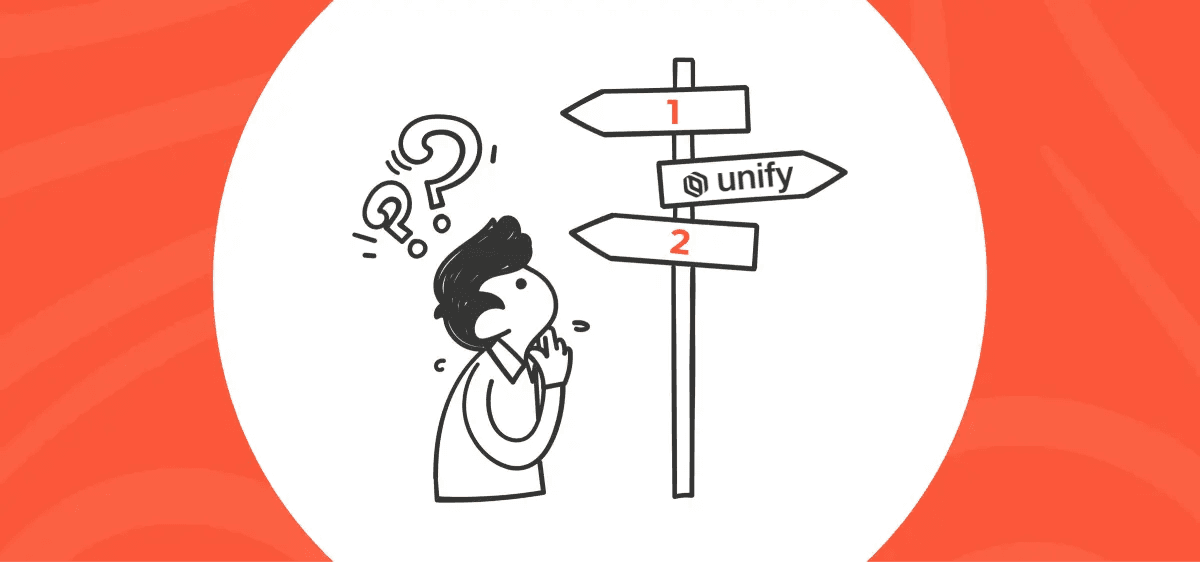
Remember when setting up a few automated email workflows made you feel like a marketing genius? Yeah... about that. It’s 2025 now—and if you're still running the same “set it and forget it” campaigns from three years ago, your results are quietly slipping away while you’re busy wondering why open rates feel like a sad inside joke.
Be honest: Have your automated emails started to sound a little... robotic? Maybe a little too predictable? Like they’re stuck in a time loop where nobody told them customer expectations left the station?
Here’s the reality: Email automation didn’t just level up—it exploded. Smarter strategies, sharper tools, and way savvier audiences have completely flipped the game. What worked in 2022 is barely moving the needle today.
Buyers don’t want another canned "special offer" or a 7-day drip that reads like a leftover sales script. They expect real-time, personalized, dynamic experiences—and they can smell lazy automation from a mile away.
The good news? You’re not stuck. This post is your playbook for catching up and sprinting ahead.
We’re breaking down the best practices you actually need in 2025, sharing step-by-step upgrades you can roll out fast, and handing you one powerful AI platform that’ll make your workflows smarter (and way less robotic).
Ready to stop automating like it’s still 2022? Let’s go.
Why Your 'Flawless' Automation Setup Is Still Failing in 2025
What passed for "email automation best practices" three years ago doesn't even touch the surface anymore. Today’s email marketing automation demands way more than scheduled blasts and surface-level personalization.
The target audience is smarter, your email marketing metrics have new rules, and if you’re clinging to outdated tactics, you're not nurturing leads — you're quietly losing them.
Let’s break down exactly where it's going wrong.
Lead Scoring Models Are Broken
Remember when you gave a gold star to anyone who opened an email or clicked a random link? Yeah, that’s not exactly high-level behavior analysis anymore.
If your lead scoring is still rewarding random clicks or one-off opens, your entire sales funnel is gasping for air.
Today's buyers are way beyond vanity engagement. It's about real recipient engagement—people spending time on your pricing pages, reading your valuable content, lurking on your site multiple times before deciding they trust you.
You want to generate leads who are actually moving through your funnel, not just waving as they scroll past your emails.
Over-Automation Is Killing Real Engagement
Look, we all love a slick system. But if your automated messages are so polished that they feel like a machine wrote them... well, humans notice. And they don’t like it.
Email marketing efforts today need actual life. Real voices. Actual empathy.
If your email content reads like it was manufactured on an assembly line, your email recipients will ghost faster than you can say "unsubscribe."
Seamless workflows are nice. But meaningful, human moments inside those workflows? That's the real metric you need to care about.
Static Journeys Can't Handle Dynamic Buyers
3-day, 7-day, 14-day drip campaigns? Those were great—for 2018. In 2025, buyers pivot faster than your automated workflows can keep up.
One day they’re reading a beginner’s guide.
The next, they’re halfway down your purchase history rabbit hole.
And if your automated emails keep treating them like they’re still at square one, you’re losing them before they even reach the welcome email.
Email segmentation needs to be live, breathing, and shifting based on real-time behaviors, not set-and-forget sequences that assume buyers move in neat little lines. (Spoiler: they don't.)
Fake Personalization Is Hurting You More Than No Personalization
If your "personalized content" starts and stops at dropping {FirstName} into the subject line, you’re not fooling anybody.
People can spot fake personalization a mile away.
A "Hey {FirstName}" opener followed by a one-size-fits-all, generic pitch? It's worse than sending no personalization at all.
In 2025, email personalization means the whole email message—the offer, the tone, the CTA—feels made for them based on real behavior, not just their contact list name.
Want to actually increase recipient engagement? Treat every send like it’s a one-on-one conversation, not a glorified mail merge.
What Advanced Email Marketing Automation Looks Like in 2025
It’s not about doing more. It’s about doing it smarter.
Your email automation needs to act less like a program and more like an intuition machine — sensing what the customer wants before they even ask.
Here’s where the best email marketing strategies are heading:
Use Behavioral Prediction, Not Past Behavior
You can't win 2025’s marketing game by reacting to yesterday’s clicks.
If you’re waiting for someone to open a promo email before you trigger the next offer, you’re already three steps behind.
Predictive triggers are the name of the game now. You need to model future actions based on real signals—like site browsing patterns, content consumption habits, and micro-conversions inside your email marketing platform.
Think preemptive, not reactive. It’s the difference between nurturing prospects and chasing ghosts.
Smart Exit Conditions Are Non-Negotiable
Once upon a time, people thought trapping users in an endless automated email workflow was “keeping them engaged.” Spoiler: It wasn’t.
In 2025, smart exit conditions are essential. If someone’s showing strong buying signals? Fast-track them.
If they’re cold and checked out? Eject them gracefully and avoid tanking your email deliverability.
Let your automated workflows behave like real conversations—not never-ending monologues.
Micro-Segment Based on Engagement Quality, Not Quantity
100 random clicks don’t equal one meaningful customer.
Building your subscriber list for future campaigns isn’t about collecting the most activity — it’s about recognizing quality engagement signals.
Someone who returns to your blog three times in a week is worth more than someone who clicks "Learn More" once because they sneezed on their phone.
Micro-segment based on real signals like:
Time spent on high-value pages
Repeat visits
Re-watching webinars
Downloading gated assets more than once
This is how effective marketers nurture leads that are actually worth converting—not just padding their email marketing metrics with fluff.
Deploy Silent Automation for Dormant Leads
Here’s a fun truth: hammering cold leads with automated messages doesn’t make them warm up. It just annoys them until they block you.
If your email automation strategy still includes spamming unengaged users with endless promotional emails, it’s time for a serious update.
Welcome to silent automation—the smarter way to nurture prospects who’ve gone quiet without burning bridges.
Instead of blasting your entire list with "We Miss You!" emails that sound desperate, watch for passive signals:
Site lurking (visiting your product pages but not clicking anything)
Social media engagement (likes, shares, profile visits)
When those signs pop up, that’s when you quietly trigger relevant content—a soft reactivation drip, a personalized offer, a subtle nudge that actually makes sense based on behavior.
This approach not only increases recipient engagement, but protects your email deliverability and keeps your subscriber list healthy for future emails.
Real talk: in 2025, effective marketers aren’t louder. They’re smarter.
The Email Automation Best Practices You Haven't Implemented Yet (But Should)
Let’s be honest: most companies say they’re following email automation best practices, but when you peek under the hood?
It’s a messy tangle of outdated workflows, weak segmentation, and endless “you might like this” emails that no one asked for.
The industry standard has shifted—and if your marketing efforts are still running on 2022 logic, your email marketing roi is already leaking out the sides.
Time to talk about the automation best practices that actually move the needle in 2025.
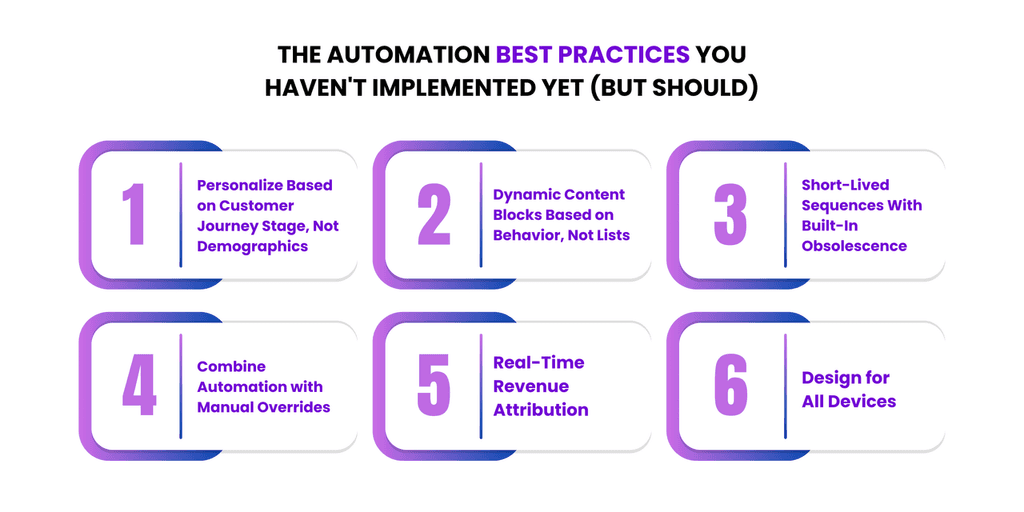
Personalize Based on Customer Journey Stage, Not Demographics
Your CRM might say two people are identical on paper: same age, same company size, same job title.
But if one is researching “how email marketing automation works” and the other is lurking on your pricing page at 2AM, guess what?
They’re not the same.
In 2025, email personalization is about where someone is in the sales funnel, not what they look like on a spreadsheet.
Early researchers need educational content, light nurturing, and a slower email frequency.
Ready-to-buy leads need urgency, next steps, and clear CTAs.
If your email marketing strategy doesn’t flex based on journey stage, you’re either overwhelming early leads or boring hot prospects.
Either way, you're missing chances to convert prospects into customers.
Segment subscribers by journey, not just demographics. Your future campaigns—and your success metrics—will thank you.
Dynamic Content Blocks Based on Behavior, Not Lists
Static lists are a fossil at this point.
In 2025, your emails should visually map to real-time behavior changes, not to a static "list membership" someone earned three months ago.
Here’s what that looks like:
If someone recently viewed pricing pages? Your next email message should show urgency, discounts, case studies—anything that pushes conversion.
If they’re binge-reading your blog content? Deliver educational resources, guides, and valuable content to keep nurturing interest.
This kind of personalized content is what makes the same email feel different for every reader—without sending different campaigns.
Smart email marketing tools and email marketing platforms make this not just possible but expected. (Because let’s be real: the target audience is tired of seeing irrelevant offers pop up like it's still 2019.)
Dynamic blocks = deeper segmentation = better email marketing metrics.
Short-Lived Sequences With Built-In Obsolescence
If you’re still dragging people through 90-day sequences that assume every lead moves at the same pace, it’s no wonder your email campaign results are a dumpster fire.
Here’s the deal: In 2025, automated email workflows need expiration dates.
Sequences should run 14–21 days max unless real engagement (clicks, conversions, activity) is happening.
If someone’s ghosting you after 2-3 emails? Kill the sequence.
Don’t keep unqualified leads "alive" forever just to make your email program stats look full.
Short, punchy, responsive sequences respect both the buyer’s time and your brand reputation.
They also boost your key metrics—open rates, click through rates, and conversion rates—because you’re not dragging uninterested contacts through the mud.
The goal? Keep sequences fresh, reactive, and ruthlessly aligned to real buyer signals—not just wishful thinking.
Combine Automation with Manual Overrides
AI is great. Predictive modeling? Even better.
But at the end of the day, no amount of automated workflows will close a deal if a hot lead sits there, ignored, waiting for someone to notice.
In 2025, email automation needs a built-in "human override" switch.
When your AI spots a hot lead—based on high-value behaviors, engagement spikes, or buying signals—you can't let that sit in a future campaign queue for days.
You need real, human outreach...fast.
Imagine this: AI surfaces a lead that just binge-read your pricing pages, filled out your preference center, and visited your demo booking page twice.
The clock’s ticking.
If your sales team isn’t notified within minutes, your email marketing efforts basically just teed up a competitor’s win.
A seamless human <> machine handoff is the difference between nurturing prospects and losing them to someone faster.
Best practices in 2025 aren't just about great automation. They’re about knowing when to break it—with purpose.
Real-Time Revenue Attribution
If you can’t connect your automated email workflows to actual closed-won revenue within 30 days?
It’s not a workflow. It’s a marketing black hole.
You need real-time revenue attribution baked into your email marketing software and your marketing process—no more guessing if that “Welcome Email” led to a deal, a demo, or just dead air.
Every sequence, every trigger, every nurtured lead should be tied to real outcomes:
Sales meetings booked
Deals closed
Revenue earned
No fuzzy math.
Real numbers tied back to real emails, tracked through your CRM and your marketing automation platform.
Because let’s be honest: email marketing roi isn't how many emails you sent. It’s how many deals you closed from the right ones.
Design for All Devices
You know this. I know this. But somehow...most companies still blow it.
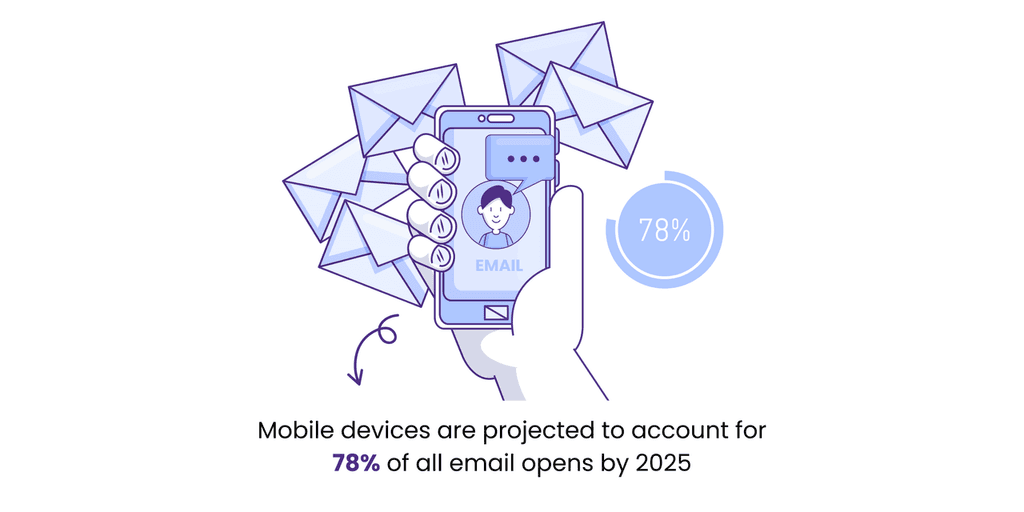
If your email content doesn’t look clean, fast, and tappable on mobile devices, you’re leaving half (or more) of your audience out in the cold.
In 2025, effective marketers prioritize mobile-first design every single time:
Bold, clickable CTAs
Scannable layouts
No giant walls of text
Responsive images with proper alt text for better email deliverability
Whether your email recipients open from a phone, tablet, or laptop, your automated emails need to feel native, not like a clunky resized web page.
If it doesn’t work flawlessly on mobile, it doesn’t work. Period.
Also read: 10 Email Marketing Blogs Every Marketer Should Follow in 2025
Quick Audit Checklist: Are You Still Automating Like It’s 2022?
Feeling a little uncomfortable yet? Good. Here’s a simple gut check to see if your email marketing automation still smells like 2022:
Are your journeys fixed instead of dynamic?
(If you can’t reroute a lead based on new behaviors instantly, you’re falling behind.)Are you still measuring email opens like they mean anything?
(Thanks, Apple privacy updates. Time to look at real metrics like clicks and site visits.)Are you sending without real-time rerouting?
(If someone takes action mid-sequence and your workflow ignores it...ouch.)Is your personalization surface-level and static?
({FirstName} isn’t enough. Neither is “exclusive offers for you!” with the same email everyone else got.)Are your sequences longer than the buying cycle?
(A 60-day nurture sequence for a 2-week buying window? Hard pass.)
If you said “yes” to even one of these...you’re automating like it’s still 2022.
No judgment—but it’s time to fix it.
Send Hyper Personalized Automated Emails with GoCustomer
If you're serious about not automating like it’s 2022, you need tools that don’t just keep up—they actually think ahead.
That’s where GoCustomer steps in.
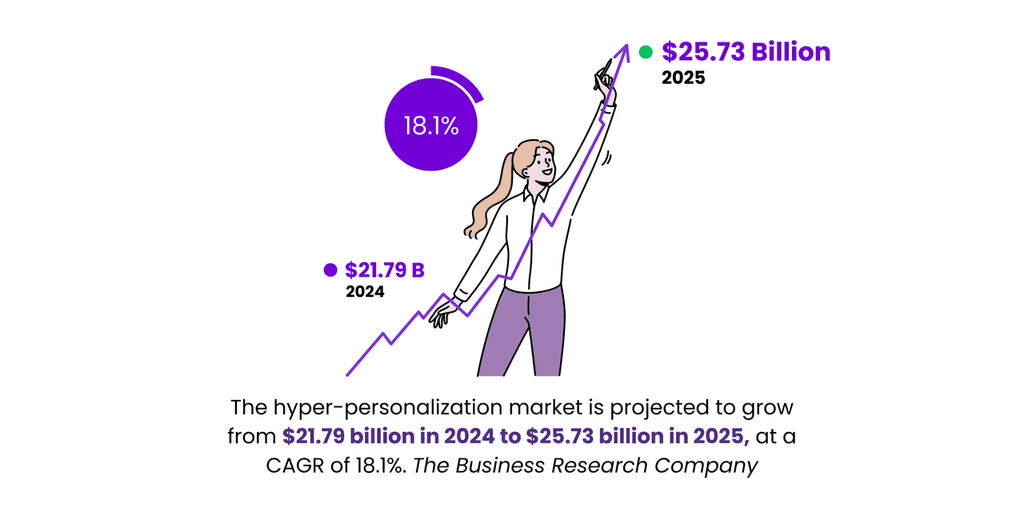
GoCustomer is an AI-powered email marketing platform built for the realities of 2025.
Instead of just sending automated messages on a schedule and hoping for the best, it helps you build workflows that move as fast (and as smart) as your buyers.
Here’s what makes it different:
Hyper-Personalization with AI Agents: Instead of guessing what matters to your audience, GoCustomer’s AI scrapes real-time data from LinkedIn, company websites, and news mentions.
That info doesn’t just sit there—it gets stitched into your subject lines, openers, and call-outs automatically.
Result? Your emails sound like they were hand-written, even when they’re part of a bigger automated email workflow.Deliverability Built In: Fancy email automation is pointless if your campaigns land straight in spam.
GoCustomer’s auto warm-up system protects your sender reputation by gradually ramping up email volume and earning trust with ISPs—giving your email marketing campaigns a real chance to land where they belong: the inbox.Unstoppable Workflow Automation: GoCustomer’s visual workflow builder lets you trigger follow-ups, tags, and lead movements based on real engagement—opens, clicks, form fills—without babysitting every step.
Leads move through your sales funnel 24/7, even while you’re busy working on your next big thing (or sleeping).
In short: GoCustomer isn’t trying to patch old-school automation.
It’s built for hyper-personalized, behavior-driven email marketing efforts that actually match how buyers move in 2025.
If you’re ready to ditch static journeys, stop guessing at personalization, and finally get your automated workflows working smarter—not just harder—GoCustomer makes it happen.

Reach more customers with your cold emails
Table of Contents
In a nutshell
In 2025, effective email automation focuses on hyper-personalization, behavior-based triggers, dynamic content, and real-time analytics. Implementing AI-driven segmentation and ensuring mobile-optimized designs are also crucial.
Dynamic content adjusts based on the recipient's behavior and preferences, making emails more relevant. This personalization increases the likelihood of engagement and reduces unsubscribe rates.
Key metrics include open rates, click-through rates, conversion rates, bounce rates, and unsubscribe rates. Monitoring these helps in assessing the effectiveness of your campaigns and identifying areas for improvement.
Integrating email with channels like social media and SMS provides a cohesive customer experience. It allows for consistent messaging and can enhance the effectiveness of your overall marketing strategy.
A/B testing allows you to compare different versions of your emails to see which performs better. Testing elements like subject lines, content, and call-to-actions helps in optimizing future campaigns for better results.
Subscribe to our Newsletter!
Digital advice costs money but we send it to
your inbox for free.
Related Blogs
Time is Money, and We're About to Save You Both!
Book a quick demo of our email marketing tools and watch as we transform your leads into loyal customers.

![A loop illustration w-auto h-[70px]](/_next/image?url=%2F_next%2Fstatic%2Fmedia%2Fvector1.7738e6de.png&w=256&q=75 "GoCustomer Platform Image")
Get in touch
Subscribe to our weekly Newsletter and receive updates via email.