

Email Marketing
Published:
Email Marketing
Qasim Farooq
Share
When it comes to connecting with supporters, nonprofits face a unique challenge: how do you build meaningful relationships and drive engagement without the luxury of a big marketing budget? This is where email marketing can shine as a powerful, affordable tool.
Take the example of royal children's hospital foundation, a nonprofit focused on children's health. Through thoughtful email marketing campaigns, they boosted donor retention by 23% and encouraged dozens of new volunteers to join their programs.
How? By using email to share real stories, thank supporters personally, and make each recipient feel like part of their mission.
According to Nonprofit Source, email marketing drives 28% of all online donations for nonprofits. That’s nearly a third of all contributions coming directly from a tool many organizations already have at their fingertips.
So why do so many nonprofits still struggle to make the most of it?
This guide is here to help. Whether you’re starting fresh or looking to refine your nonprofit email strategy, you’ll find practical, step-by-step tips to craft email campaigns that inspire action, build trust, and grow your reach.
Let’s explore how your nonprofit can make the most of email marketing to strengthen connections and further your mission.
Benefits of Email Marketing for Nonprofit Organizations
Cost-effective communication
Let’s face it—marketing budgets for nonprofits are tight, and every penny counts. That’s where email marketing shines. With most email marketing platforms offering starter plans or discounts for nonprofits, you can reach your audience without stretching your budget.
Plus, email campaigns let you share updates, stories, and donation appeals directly with supporters—no printing costs, no postage, no hassle. It’s a simple and cost-effective way to amplify your message.
Build and nurture relationships
Your email list isn’t just a collection of addresses—it’s a community that supports your mission. Sending regular updates, personalized emails, and heartfelt thank-you notes helps you strengthen these relationships.
When your audience feels valued, they’re more likely to stay engaged. For example, segmenting your list to send specific messages to lapsed donors or new supporters can make your communication feel thoughtful and personal. In the long run, this connection turns casual subscribers into loyal advocates.
Raise awareness and educate supporters
How do you get people to care about your cause? By sharing stories that matter. Email is the perfect tool to educate your supporters about the challenges your nonprofit addresses. Highlight success stories, use data to show progress, and inspire readers with your organization’s impact.
For instance, a nonprofit working on clean water initiatives could share stories of communities transformed by their efforts. Emails like these raise awareness while keeping your audience informed and inspired.
Promote events
Planning a fundraising dinner? Hosting a volunteer day? Email campaigns can help you spread the word and fill seats. With features like RSVP tracking, event reminders, and follow-up emails, you can ensure your audience stays in the loop.
Adding form integration for easy registration or linking directly to a landing page makes it simple for supporters to sign up and stay involved. A well-timed email with a compelling call to action can mean the difference between an empty room and a packed house.
Reach fundraising goals and collect donations
When it comes to fundraising, email is a powerful tool to drive action. Whether you’re running a specific campaign or making donation appeals during the holiday season, email lets you connect directly with potential donors.
Include a link to your donation page, share updates on how close you are to your fundraising goal, and remind supporters of the impact their contributions make.
Automated email series—like a welcome email for new subscribers or follow-ups for lapsed donors—can keep your nonprofit top of mind and boost donations over time.
Step by Step guide on starting with email marketing for Nonprofit Organization
Step 1: Build Your Contact List
Building a quality email list is more than just collecting email addresses—it’s about curating a group of supporters who genuinely care about your nonprofit’s mission.
For nonprofits, this step is critical because it lays the groundwork for meaningful engagement and effective email campaigns. Here are some targeted strategies tailored specifically for nonprofit organizations to grow a valuable email list.
Collaborate with Local Partners
Partner with local businesses, schools, or community organizations that align with your mission.
For example, a nonprofit working in animal welfare could team up with local pet stores or veterinary clinics. Display QR codes or sign-up sheets at their locations with an invitation like, “Stay updated on how we’re saving lives—sign up for our newsletter.” Collaborations like these not only grow your list but also strengthen community ties.
Offer Meaningful Lead Magnets
Lead magnets should feel valuable and mission-specific. For example:
A wildlife conservation nonprofit could offer a downloadable guide like “5 Ways to Protect Endangered Species in Your Backyard.”
An education nonprofit might share a short success story video, only accessible after signing up.
These incentives attract people who care about your cause and are more likely to stay engaged.
Leverage Events to Grow Your List
Events provide a perfect opportunity to collect email addresses:
At in-person fundraisers or volunteer drives, use tablets or sign-up sheets for attendees to join your email community.
For virtual events, collect emails during registration with an opt-in option like, “Get post-event updates and exclusive resources.”
This ensures you capture attendees' interest when they’re most engaged.
Encourage Peer Referrals
Ask your most engaged supporters to spread the word. Provide them with shareable links or pre-written messages they can send to their friends and family.
For example, offer a small incentive such as early access to event tickets for every new subscriber they refer.
Add Interactive Elements
Introduce engaging tools like spin-the-wheel pop-ups or quizzes on your website. For example:
A nonprofit focusing on sustainability could offer a quiz like, “What’s Your Eco-Impact Score?” Visitors would need to enter their email to receive results, keeping the process fun and interactive.
Step 2: Pick the Right Email Marketing Tool
Choosing the right email marketing platform ensures your nonprofit can run campaigns smoothly and effectively. Here are key features to consider when selecting a tool:
Automation Capabilities: Look for email service provider that allow you to schedule automated email series, such as welcome emails or donation reminders. This saves time and keeps your audience engaged.
Customizable Templates: Opt for tools with pre-designed, customizable and free email templates that match your nonprofit’s branding. This helps you create professional emails quickly.
AI Features: Some platforms use AI to optimize subject lines, send times, and content recommendations, helping you boost engagement rates effortlessly.
Ease of Use: A platform with an intuitive interface, drag-and-drop editors, and simple navigation is ideal, especially for smaller teams.
Nonprofit Discounts: Many tools offer discounted pricing or free plans tailored specifically for nonprofits.
Integration Options: Ensure the tool integrates with your existing systems, such as donor management software or event registration platforms.
Deliverability: Platforms with high deliverability rates and authentication support (e.g., SPF, DKIM, DMARC) help your emails land in inboxes rather than spam folders.
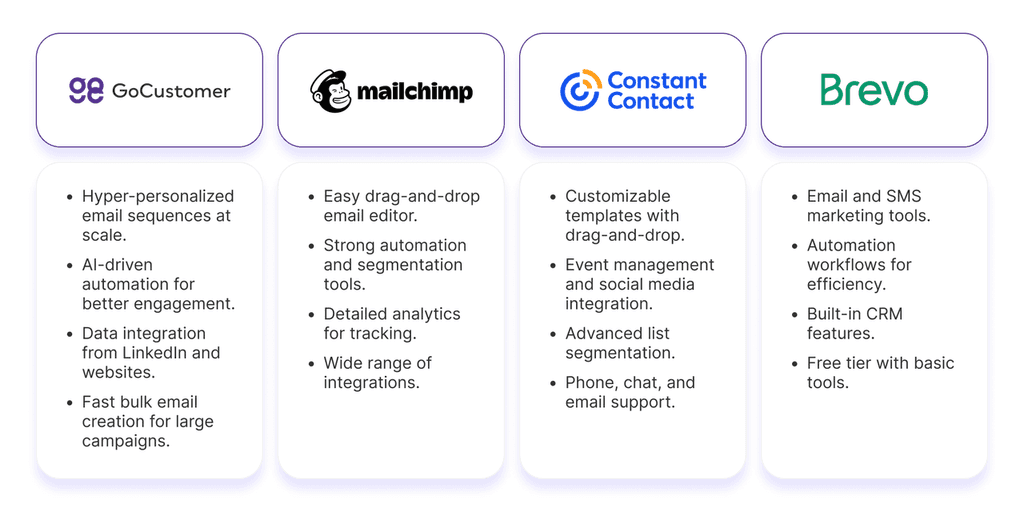
Recommended Platforms
Step 3: Warm Up Your Email Account
Before sending your first email campaign, it’s crucial to prepare your email account to avoid delivery issues.
Sending too many emails too soon can trigger spam filters or hurt your reputation. Here's how to warm up your account properly:
Start Slow: If your account is new or has been inactive, avoid sending large email batches immediately. Begin by sending emails to small groups of your most engaged contacts, like active donors or volunteers.
Authenticate Your Domain: Set up authentication protocols such as SPF, DKIM, and DMARC. These technical setups signal to email providers that your emails are legitimate, improving deliverability. Many email marketing tools provide easy-to-follow guides for this process.
Gradually Increase Volume: Once you’ve started with smaller batches, increase the number of recipients gradually over several weeks. This signals to email providers that your account is trustworthy.
Focus on Engagement: Send content that encourages recipients to open and interact with your emails, like personalized thank-you messages or event invites. High engagement rates strengthen your sender reputation.
Warming up your email account is a small but important step to ensure smooth delivery and build a strong foundation for your campaigns.
Step 4: Segment Your Audience
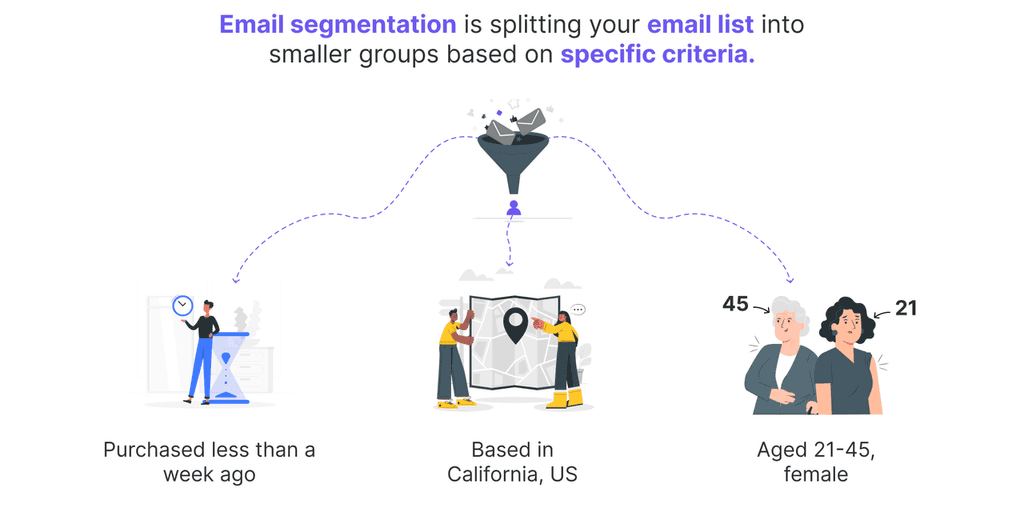
A one-size-fits-all approach rarely works in email marketing. Segmenting your audience allows you to tailor messages to specific groups, making your communication more relevant and effective.
Here’s how to do it:
Define Key Segments
Think about your audience and their unique characteristics. For nonprofits, common segments include:
Donors: Separate into one-time, recurring, and lapsed donors to send targeted appeals.
Volunteers: Share updates on upcoming events and opportunities specific to their involvement.
Event Attendees: Follow up with personalized thank-you emails or related content.
Use Behavioral Data
Segment based on how supporters interact with your organization. For example:
Subscribers who opened past emails but didn’t click through might need more engaging content.
Donors who contributed during a specific campaign may appreciate updates on its impact.
Leverage Demographics and Interests
Tailor messages by geography, age group, or interests. For example:
If you’re promoting a local cleanup event, target recipients in that region.
For campaigns addressing specific issues, segment based on supporter preferences gathered during sign-ups.
Personalize with Automation
Use marketing automation to deliver messages triggered by actions. For instance:
Send a welcome email series to new subscribers.
Automatically follow up with donors who clicked a link in your email but didn’t complete their donation.
Segmentation ensures your audience feels understood and valued, leading to higher engagement and stronger connections.
Step 5: Write Emails That Engage
Crafting emails that resonate requires more than just good writing—it’s about delivering content that speaks directly to your audience’s values and needs. Here are unique, nonprofit-specific strategies to craft compelling emails:
Start with Emotion-Driven Subject Lines: Instead of generic subjects, use emotional hooks related to your cause. For example:
“You Can Help Feed 100 Families Today.”
“See the Impact Your Donation Created Last Month.”
Emotional appeals often inspire action more effectively than neutral language.
Use Donor-Centric Language: Shift the focus from your nonprofit to the reader. Instead of “We achieved our fundraising goal,” try, “Thanks to you, we achieved our goal!” This approach makes your supporters feel like essential contributors to your mission.
Share Real Impact Stories: Go beyond vague updates by telling specific, human-centered stories. For instance, “Last month, 10-year-old Sarah finally got access to clean water because of your support.”
Include Multimedia Elements: Use short videos or infographics to visually convey your message. A quick video tour of your new facility or a progress chart on a fundraising campaigns can make your email more engaging.
Experiment with Unique CTAs: Instead of “Donate Now,” try creative alternatives like:
“Be the Hero Today.”
“See How You Can Help Even More Families.”
Test different phrases to see what resonates.
These strategies help craft emails that go beyond updates, creating an emotional connection with your readers.
Step 6: Hyper Personalize Every Email
Hyper personalization is about making every recipient feel like your message was crafted just for them. For nonprofits, this can significantly boost engagement by demonstrating that you understand your audience’s unique contributions, interests, and needs.
Here’s how to take personalization to the next level:
Leverage LinkedIn for Donor Insights: Use LinkedIn to track professional milestones and align your messaging.
If a donor is promoted or their company announces a new corporate responsibility initiative, send a congratulatory email: “Congratulations on your promotion! We’d love to discuss how your new role could align with supporting our community programs.”
Acknowledge partnerships announced on LinkedIn: “We saw your company’s new sustainability campaign—this could be a great opportunity to collaborate on eco-friendly initiatives in your community.”
Mention Specific Contributions: Acknowledge past donations or volunteer work in a personalized way.
Example: “Your $100 donation last month helped provide clean water to 20 families in need.”
Send Location-Based Updates: Share news or opportunities tied to their geographic location.
Inform supporters about local events, like “Join us for a volunteer day at Central Park this Saturday.”
Highlight regional impacts, such as, “Your support helped serve 500 meals in your community this month.”
Create Dynamic Email Content: Use email tools like campaign monitor to customize content for different audience segments.
Example: Donors who supported an education campaign receive updates specific to that cause, while volunteers see opportunities to help.
Personalize Call-to-Actions (CTAs): Tailor your CTAs to align with the recipient’s previous engagement.
Example: “Donate now to help another student like Maria achieve her dreams” or “Sign up today to join our next cleanup event in your area.”
Scaling hyper-personalization can be a challenge for nonprofits, especially when managing multiple campaigns and diverse audiences. This is where email marketing platform like GoCustomer can make a real difference.
GoCustomer, an AI-powered email marketing platform, simplifies hyper-personalized outreach by automatically gathering and enriching data from sources like LinkedIn and websites.
For example, its LinkedIn Agent can pull relevant details about a supporter’s recent activity or professional milestones, helping you craft emails that feel deeply personal and timely.
By automating these tasks, GoCustomer allows nonprofits to scale their personalized communication without sacrificing quality. It’s a practical solution for delivering impactful, tailored messages to thousands of supporters, ensuring your mission resonates while saving valuable time.
Step 7: Automate Your Email Workflow
Automation is not just about saving time—it’s about creating consistent, meaningful touchpoints with your supporters.
Here are advanced automation strategies for nonprofits:
Cause-Specific Welcome Series: Create automated welcome sequences tailored to how someone joined your list. For example:
New Donor: Send a series like:
“Welcome to the Community – Here’s What Your Support Achieves.”
“Meet Jane: A Life You’ve Changed.”
“Join Us at Our Upcoming Impact Webinar.”
Event Attendee: Send a sequence like:
“Thank You for Attending – Here’s a Recap of What We Achieved.”
“Want to Stay Involved? Volunteer with Us.”
Anniversary Emails: Automate emails to celebrate key milestones, such as the anniversary of their first donation or their 50th volunteer hour. This adds a personal touch without manual effort.
Behavior-Based Triggers: Set up triggers based on specific actions, like clicking a “Learn More” link. For example:
If someone clicks on a donation appeal but doesn’t complete the process, follow up with an email offering to answer questions or share more details.
Re-Engagement Campaigns: Automatically target lapsed donors with personalized emails like:
“We miss you! Here’s what your past support helped us achieve—and how you can make an impact again.”
Smart automation ensures your supporters feel valued at every stage of their journey while streamlining your team’s workload.
Step 8: Test and Track Your Results
Testing and tracking go beyond open and click-through rates. To optimize email campaigns for nonprofits, you need deeper insights and creative experiments. Here are strategies to take this step further:
A/B Test Real Impact Variations: For example, test two versions of an email:
One version uses a statistic-driven subject line like “Your Donation Helped 5,000 Families.”
Another uses an emotional appeal like “You’re the Reason Families Have Hope.”
Track which approach works better with your audience.
Segment Metrics by Audience Type: Don’t just look at overall performance. Break down your results by donor type, such as recurring donors versus first-time donors. This helps identify which groups need different messaging.
Focus on Click Behavior: Use heatmaps to see where readers click most. For instance, if supporters click frequently on impact stories but ignore donation buttons, consider repositioning your CTA or rephrasing it.
Track Lifetime Value of Subscribers: Monitor which segments contribute the most over time. For example, are recurring donors coming from your email welcome series? Use this data to refine onboarding strategies.
Experiment with Timing: Test different times for sending emails to see when your audience is most engaged. For nonprofits, early mornings or evenings often work better since people may check personal emails outside work hours.
Use Story-Focused Follow-Ups: If a campaign underperforms, test follow-ups that focus entirely on a compelling story. Sometimes the right narrative can re-engage readers who missed the initial email.
By diving deep into data and continuously experimenting, you can refine your approach and ensure every campaign performs better than the last.
Must-Have Email Campaigns for Nonprofits
Campaign Type | Purpose |
Welcome Series | Introduce new subscribers to your mission and guide them on how to get involved. |
Donation Appeals | Encourage supporters to contribute to specific campaigns or general funding needs. |
Event Invitations | Promote upcoming events and drive registrations or attendance. |
Impact Updates | Share stories and results to show supporters how their contributions are making a difference. |
Volunteer Recruitment | Attract, inform, and onboard volunteers for upcoming opportunities. |
Re-Engagement Campaigns | Reconnect with lapsed donors or inactive subscribers to reignite their interest. |
Monthly Newsletters | Keep supporters updated on your nonprofit’s activities, successes, and future plans. |
Holiday Appeals | Leverage seasonal generosity to boost fundraising efforts. |
Thank-You Emails | Express gratitude to donors, volunteers, and supporters while highlighting their impact. |
Advocacy Campaigns | Mobilize supporters to take action on pressing issues through petitions or advocacy efforts. |
Start Your Nonprofit’s Next Email Campaign Today
Whether you’re calling for donations, promoting an event, or updating supporters on your latest achievements, email remains a cornerstone of nonprofit email marketing.
It’s the most effective way to foster meaningful connections and keep your audience engaged.
With GoCustomer, nonprofits can craft a great email marketing strategy by combining hyper-personalized outreach with tools that simplify the process.
By leveraging data from LinkedIn, websites, and other sources, GoCustomer ensures your messages stand out. Plus, with a free forever plan to get you started and a basic growth plan starting at $119, it’s accessible for organizations of all sizes.
Take the next step toward engaging campaigns that drive results—start with GoCustomer today.

Reach more customers with your cold emails
Table of Contents
In a nutshell
Best practices include personalizing emails, segmenting your audience, crafting compelling subject lines, including clear calls to action, and ensuring mobile-friendly design. Regularly analyzing performance metrics is also crucial.
Improving open rates involves writing engaging subject lines, personalizing content, sending emails at optimal times, and maintaining a clean email list by removing inactive subscribers.
Key considerations include ease of use, pricing, features like automation and segmentation, template availability, and customer support. Some platforms offer discounts or free plans for nonprofits.
Challenges include building a quality email list, creating engaging content, avoiding spam filters, and measuring effectiveness. Staying updated on best practices and continually testing strategies can help overcome these obstacles.
The frequency depends on your audience and content. Regular communication, such as monthly newsletters, keeps supporters engaged without overwhelming them. Monitoring engagement metrics can help determine the optimal frequency.
Subscribe to our Newsletter!
Digital advice costs money but we send it to
your inbox for free.
Related Blogs
Time is Money, and We're About to Save You Both!
Book a quick demo of our email marketing tools and watch as we transform your leads into loyal customers.
![A loop illustration w-auto h-[70px]](/_next/image?url=%2F_next%2Fstatic%2Fmedia%2Fvector1.7738e6de.png&w=256&q=75 "GoCustomer Platform Image")

Get in touch
Subscribe to our weekly Newsletter and receive updates via email.