

Email Marketing
Published:
Email Marketing
Qasim Farooq
Share
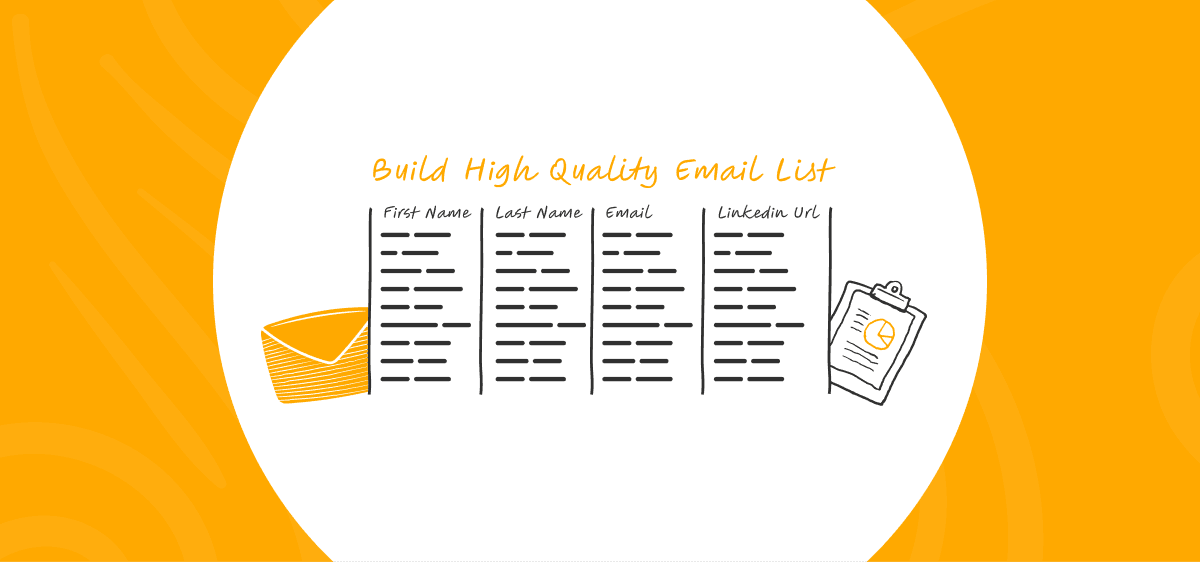
When it comes to email marketing, the often overlooked component is the email list. A mistake, which in my opinion, is very critical.
In fact, I would go as far as to say that an email list is the lifeblood of any email marketing strategy.
I mean think about it. Reaching out to a high quality email list - with people who are active, and actually want to listen and engage with you - is bound to have higher conversion rates than an email list which is generic and not well maintained.
But if you’re starting from scratch or trying to improve an existing list, the procedure can seem daunting.
Fret not, I'll walk you through the process and everything else you need to know.
What Makes a High-Quality Email List?
An email list is more than just a collection of addresses. It is a community that you create around your brand.
So what you want is a community that is genuinely interested in what you offer, who regularly open your emails, click through, and ultimately convert.
My personal advice here would be to focus on quality over quantity.
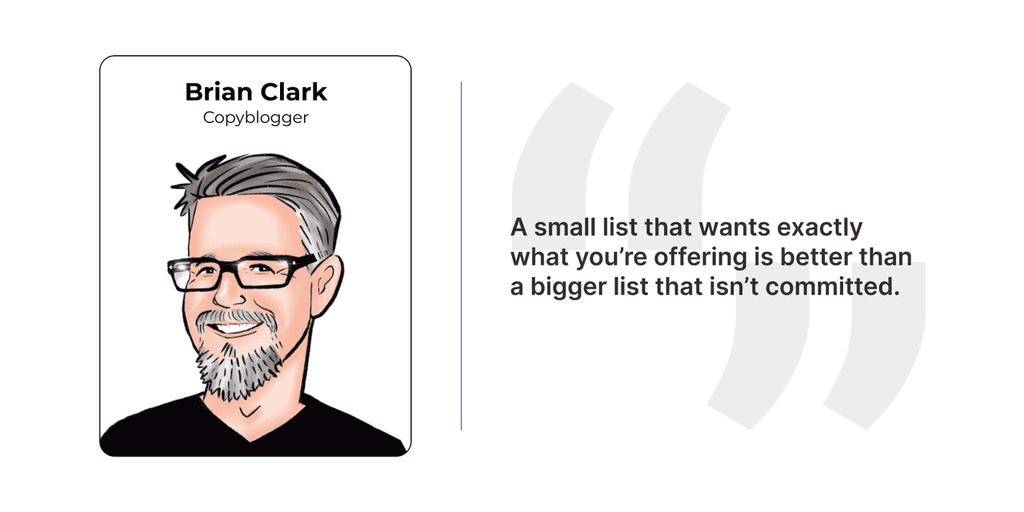
A large list with low engagement can do more harm than good, impacting your deliverability and hurting your brand reputation.
In contrast, an email list that gets you the desired responses from your target audience is bound to contribute to your business success.
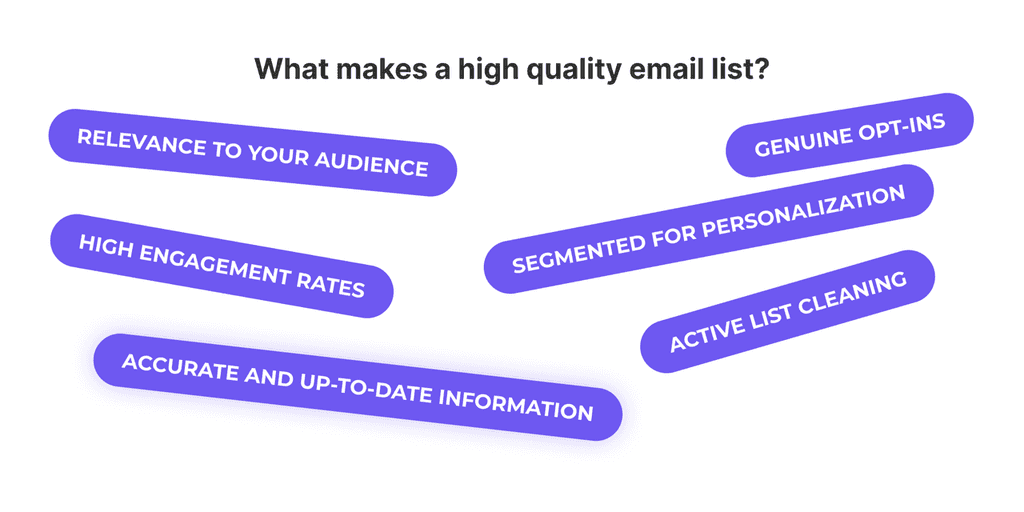
Relevance to Your Audience: Your subscribers should align with your target demographic and be genuinely interested in your offerings.
Genuine opt-ins: Subscribers should voluntarily sign up, knowing what content to expect.
High Engagement Rates: Subscribers regularly open, read, and interact with your emails, showing they value your content.
Segmented for personalization: A well-segmented list allows for tailored content, increasing relevancy and response.
Accurate and Up-to-Date Information: Maintain an up-to-date list to minimize hard bounces and maximize deliverability.
Active List Cleaning: Regularly remove inactive or disengaged users to improve overall engagement metrics and avoid spam complaints.
Now that we know what makes a great list, let’s go into the dos and don’ts of building one.
The Do’s and Don’ts of Building an Email List
Do:
Focus on organic growth. Use tactics that encourage genuine signups.
Be transparent about what subscribers will get in return.
Segment your list for better-targeted campaigns.
Always offer useful content or offers that resonate with your audience.
Engage with your list regularly, as it reduces customer churn.
Don’t:
Purchase email lists. This will almost always lead to poor engagement or worse, spam complaints.
Force sign-ups. People should feel excited to hear from you.
Ignore your list’s health. Always keep an eye on bounce rates, and clean up inactive users periodically.
Don’t spam or over-promote. Flooding your list with sales pitches can lead to high unsubscribe rates.
So, with a clear understanding of what a high quality email list looks like - let’s move on to the practical side of things.
How to get email list for email marketing?
Well, there is no single answer to that. But I'll walk you through some tried and tested strategies that can help you get there.
9 Proven Tactics On How To Build An Exceptional Email List
Craft Compelling CTAs
Your call-to-action (CTA) is the gateway to collecting email addresses and growing your email list.
Think of it like this: if your CTA doesn’t grab attention or give someone a reason to act, they’re likely to move on without a second thought.
When I first started optimizing CTAs, I realized how subtle changes, like adjusting the wording or placement, could lead to dramatic improvements in sign-ups.
The key to crafting an effective CTA is making it irresistible. You want it to be clear, concise, and—most importantly—aligned with your audience’s needs. What will they gain by joining your email list? Make sure that value is front and center.
Be Specific: Generic CTAs like “Sign up” or “Subscribe” just don’t cut it anymore. Instead, be clear about the benefits. Try phrases like, “Get exclusive tips delivered to your inbox!” or “Join 10,000+ marketers who receive our weekly insights.”
Create a Sense of Urgency: Adding a time-sensitive element can prompt action and boost conversion rates. Time bound discounts, for example, tap into FOMO (Fear of Missing Out) and encourage immediate action.
Make it Personal: Speak directly to the reader’s needs and aspirations. “Get personalized marketing strategies for your business!” sounds much more appealing than a basic “Sign up here.”
In my experience, these types of CTAs convert because they not only communicate the value of signing up but also make the action feel rewarding and urgent.
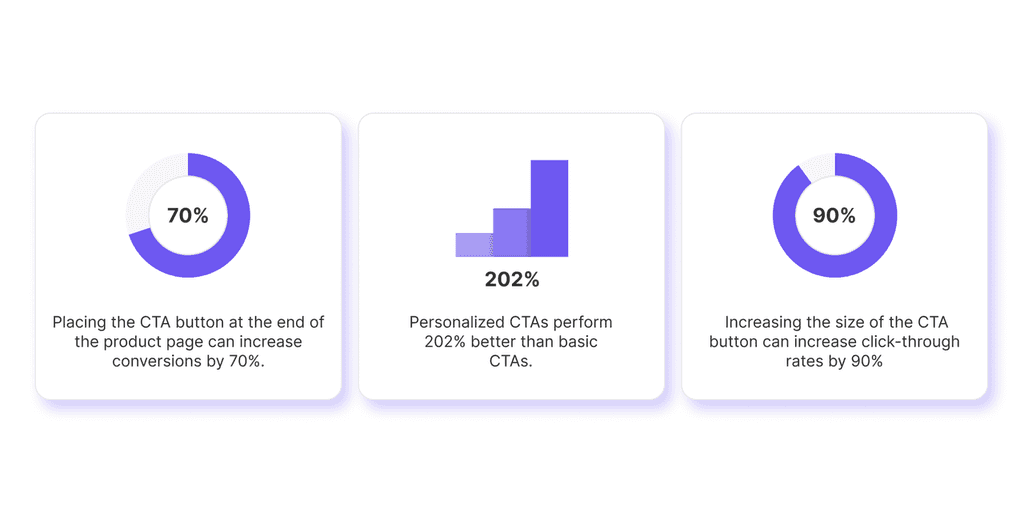
Let’s look at some examples.
Example # 1: “Unlock exclusive marketing insights! Join our community today for free tips and resources.”
Why it works: It offers clear value (exclusive insights), uses the word “unlock” to imply immediate access, and positions the reader as part of a community.
Example # 2: “Join 15,000+ savvy marketers! Get the latest trends and tips straight to your inbox.”
Why it works: The social proof (“15,000+ savvy marketers”) creates a sense of belonging, and the promise of trends and tips speaks directly to the reader’s desire for valuable content.
Real World Examples
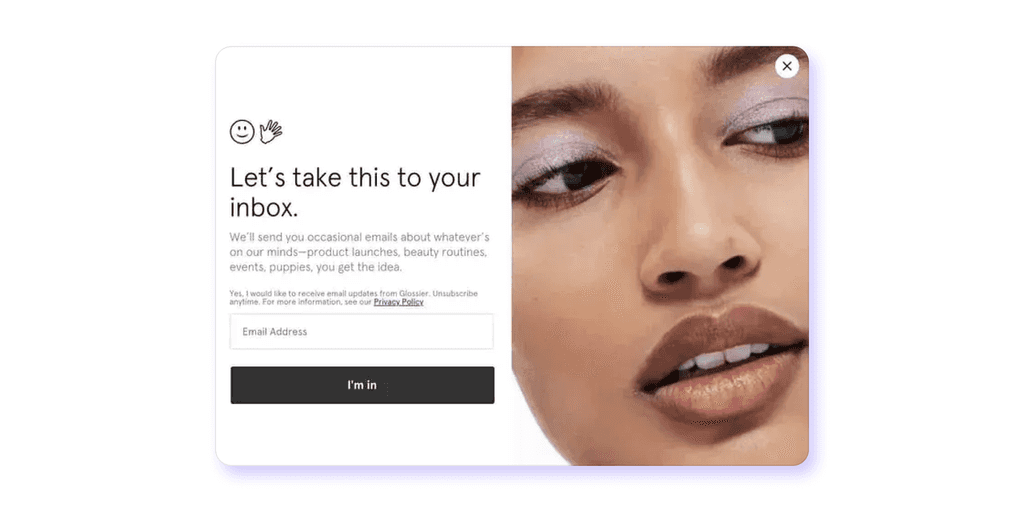
1- Glossier
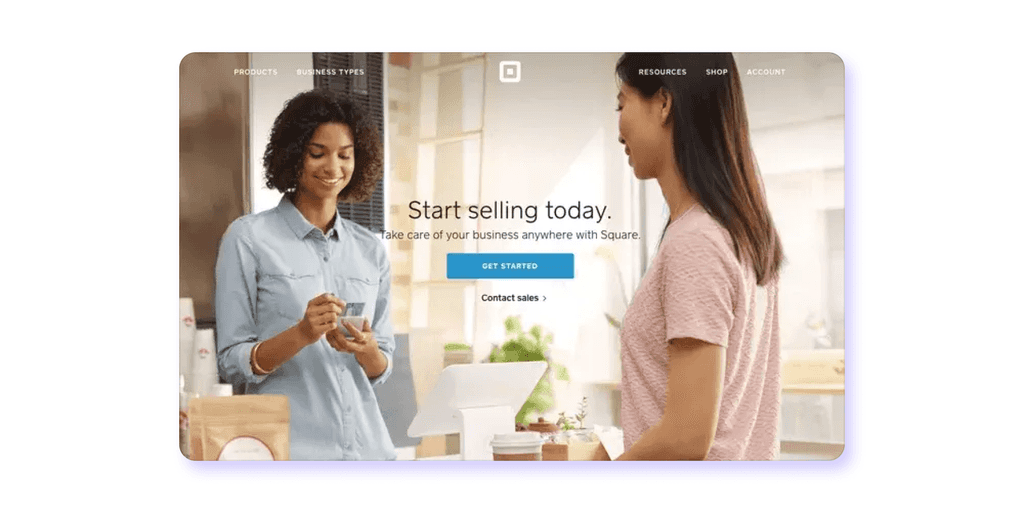
2- Square
3- OfficeVibe
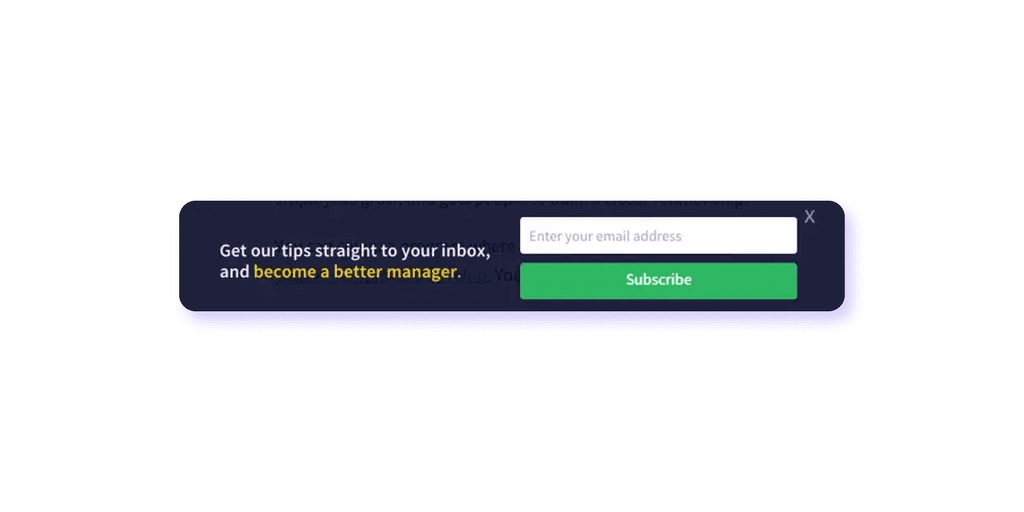
Incorporate Pop ups and Opt in Forms
Pop-ups and opt-ins, when done right, are like digital magnets for collecting email addresses.
They draw attention and can significantly increase your email sign-up rate.
Now, I know what you’re thinking: “Aren’t pop-ups annoying?” That’s a valid concern, but from my experience, they don’t have to be. It’s all about timing, relevance, and the value you’re offering.
I’ve seen firsthand how a well-timed, value-driven pop-up can significantly increase sign-ups.
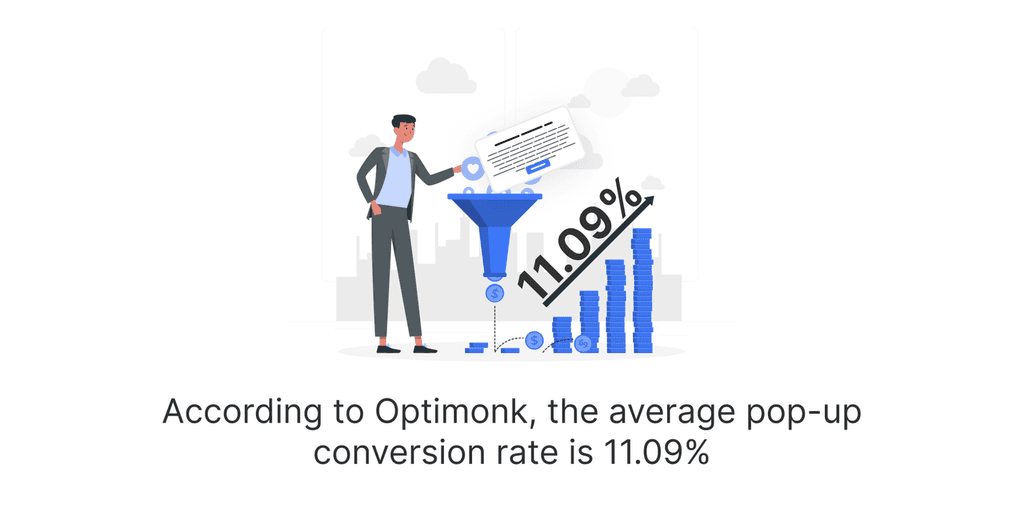
Personally, I like to think of pop-ups as that gentle nudge, giving users an extra reason to stay connected. The key here is offering something of real value and making the opt-in process as smooth as possible.
Some best practices that you can incorporate could include,
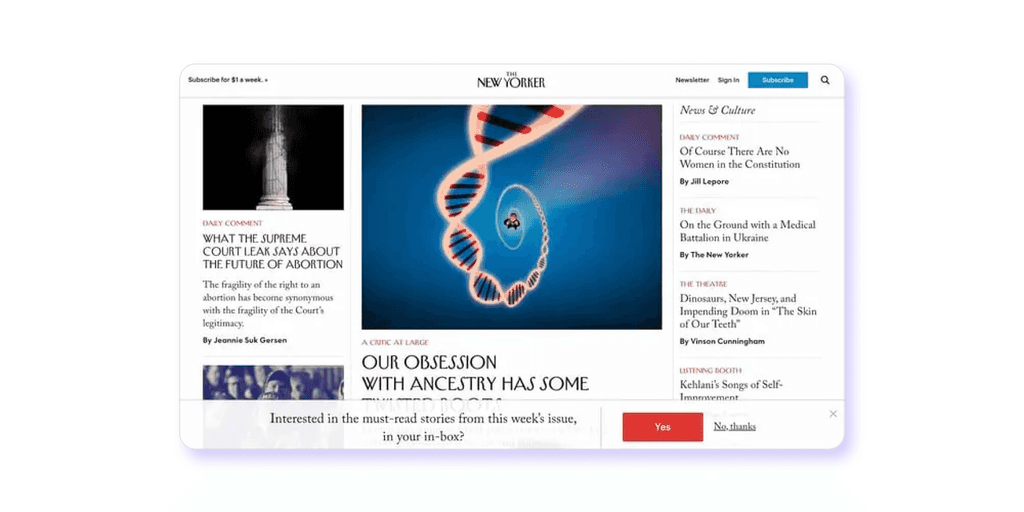
Time your pop-ups right. Don’t show a pop-up immediately. Instead, give users a chance to engage with your content first.
Show pop-ups when users are about to leave, not when they’re trying to browse - so as to not interrupt their experience.
Keep the message clear and concise. For this, your offer should be straightforward, and the CTA should be impossible to miss.
Make sure the pop-up provides something of value to your audience, like a discount or exclusive content.
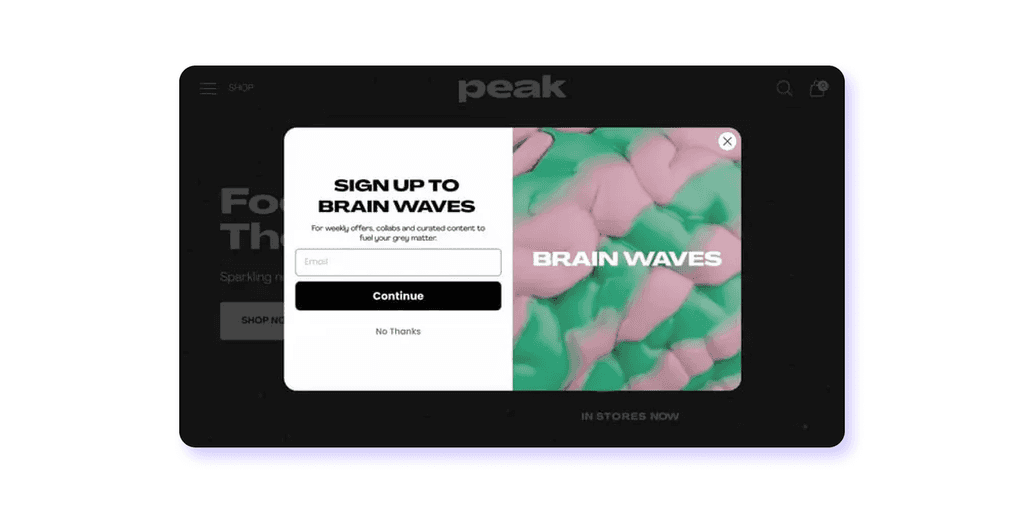
Always provide an easy-to-find exit option for your pop-ups, to avoid frustrating users.
By incorporating these best practices, you’ll create pop-ups that are less annoying and more engaging, leading to higher conversion rates without driving visitors away.
Let’s see some of these in action.
Real World Examples
New Yorker
Peak Moods
Incentivize Sign-Ups
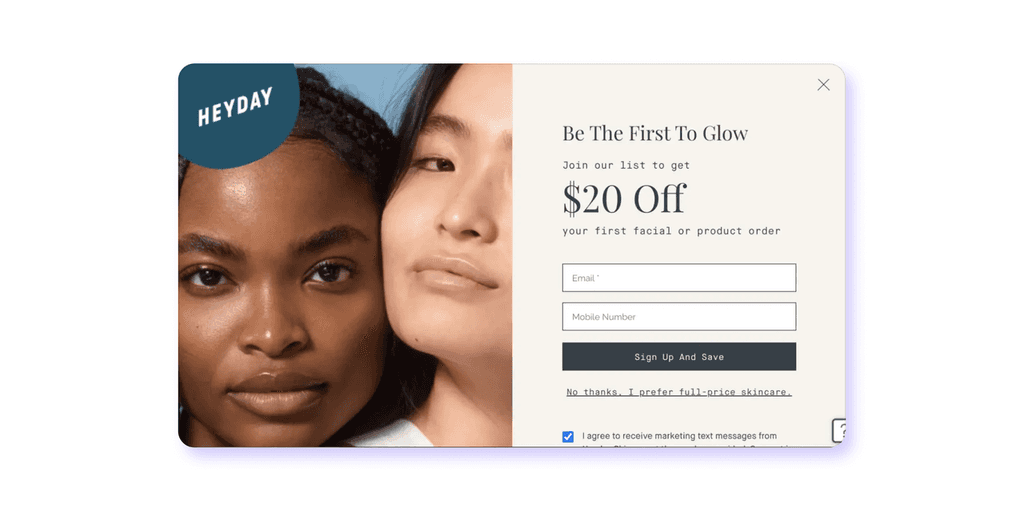
Offering something in exchange for an email address is one of the oldest tricks in the book. And one that actually works!
I mean think about it: when was the last time you signed up for something without getting a little something in return? Exactly.
Whether it’s a discount, an exclusive guide, or early access to a sale, people want to feel like they’re getting a good deal.
Here’s what works best when incentivizing sign-ups:
Exclusive Content: Offer a piece of premium content like a downloadable guide, cheat sheet, or toolkit that’s only accessible through email sign-up. People love to feel like they’re getting something others aren’t.
Discount Codes: This works exceptionally well for eCommerce. A simple “Sign up and get 15% off your first order” can entice visitors to subscribe.
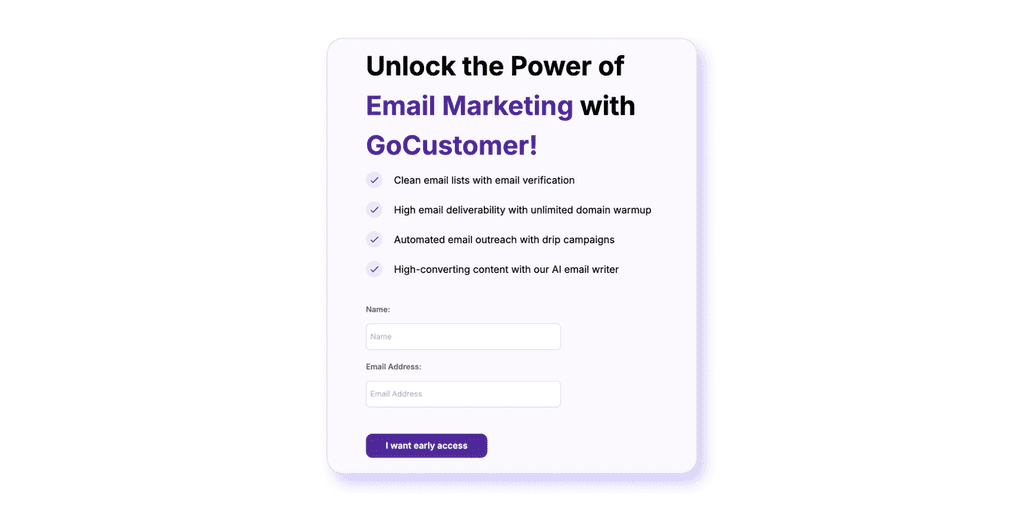
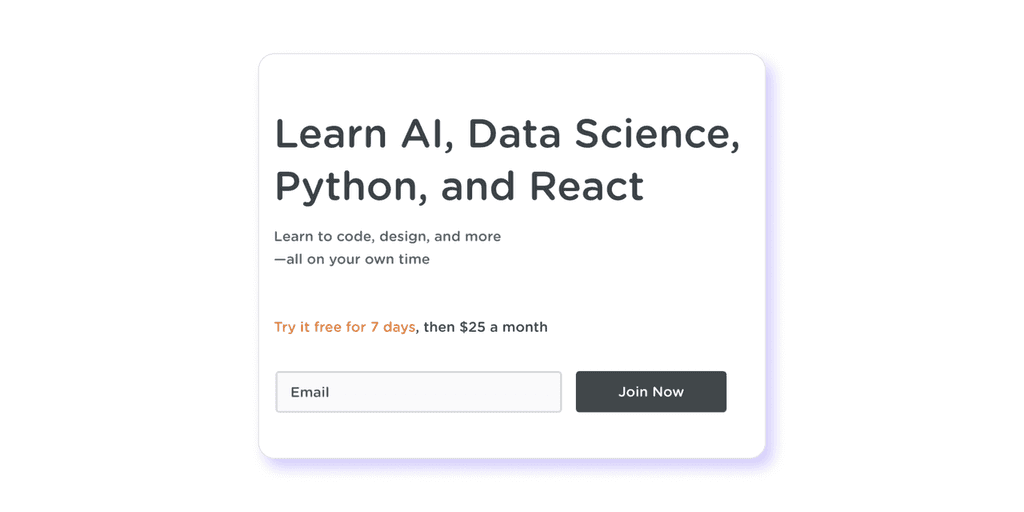
Free Trials or Demos: If you’re in SaaS, offering a free trial or demo in exchange for an email address is a powerful motivator. You not only get their contact info but also a chance to showcase your product firsthand.
Exclusive Access: People love to feel like insiders. Promote early access to new products, services, or content only available to email subscribers. It adds a sense of urgency and exclusivity.
Real World Examples
HeyDay
GoCustomer
TreeHouse
Create High-Converting Landing Pages
A well-crafted landing page can make the difference between a casual visitor and a long-term subscriber.
I’ve seen businesses spend a lot of time driving traffic, but without a landing page optimized for conversions, much of that effort goes to waste.
It’s the point of conversion where you can collect email addresses, and every element on that page needs to work together to drive one action: getting that email.
You want visitors to feel compelled to join your list, and that means the page has to be clear, engaging, and built with the user in mind.
Some key ingredients to consider are,
A strong headline: It grabs attention and immediately tells visitors what value they’ll get from signing up.
Compelling copy: Short, concise, and focused on benefits that resonate with your audience’s needs.
Clear and bold CTA: Your call-to-action button should be impossible to miss and should explicitly state the action, like “Get Your Free Guide Now.”
Minimal distractions: Remove unnecessary links, navigation, or other distractions that can take visitors away from your primary goal—email sign-up.
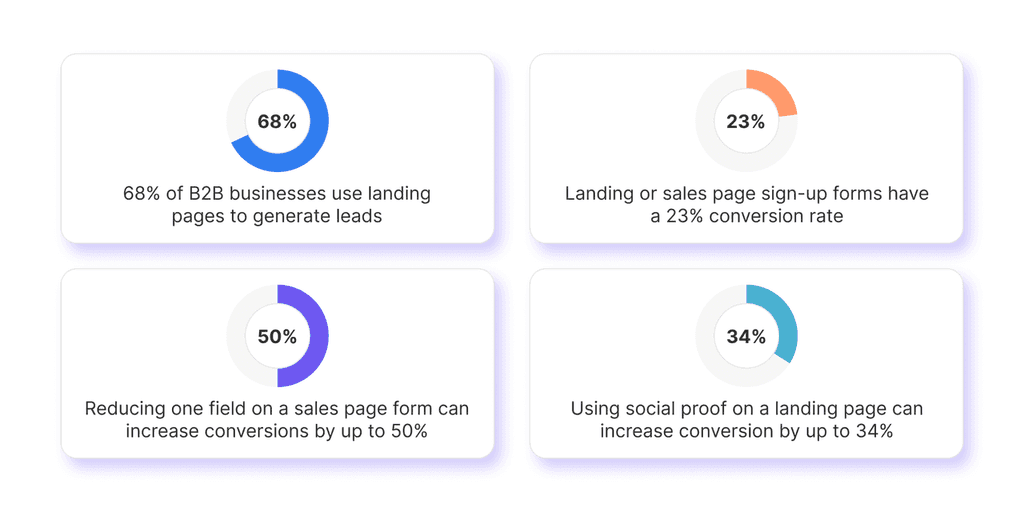
One of my go-to tools for creating high-converting landing pages to collect email addresses is Go High Level. This software makes it easy to design and customize landing pages that look great and deliver results.
With Go High Level, you can quickly build, test, and optimize these pages to see what works best for your audience.
Furthermore, it offers templates and intuitive drag-and-drop functionality, so you can quickly create a page that’s optimized for conversions.
Also read: 10 Email Marketing Blogs Every Marketer Should Follow in 2025
Pitch Your Email Newsletters On Multiple Channels
If there’s one thing I’ve learned over the years, it’s that you can’t rely on just one platform to collect email addresses and grow your email list.
To really boost your subscriber count, you need to pitch your email newsletters across multiple channels. This means going beyond just your website and making sure you're present where your audience spends their time.
For example, I’ve found great success promoting newsletters on social media channels like Facebook, LinkedIn, and Instagram.
Each platform has its own way of engaging users, so it’s important to adapt your message accordingly for collecting email addresses.
On Instagram, I like to use Stories to create quick, eye-catching CTAs like “Swipe up to join our insider list!”. LinkedIn, on the other hand, works well for more professional pitches. So you need to adjust your outreach depending on the platform.
Also, don’t forget about embedding sign-up forms in your blog post. Readers who find value in your content are prime candidates for your email list, so why not make it easy for them to subscribe while they’re engaged?
For this purpose, I would recommend Mailchimp.
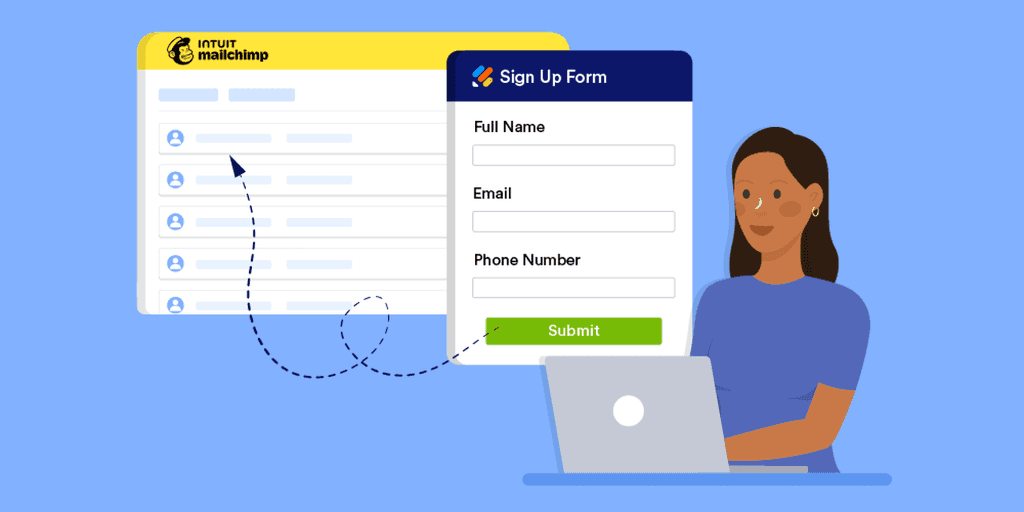
Mailchimp allows you to create beautiful sign-up forms that can be embedded across multiple channels, from your social media accounts to blog posts thus automating the email collection process.
It also has features to track performance, so you know exactly which channel is bringing in the most sign-ups.
Create lead magnets
Lead magnets rely on a simple formula: you offer something valuable in exchange for someone’s email address.
The trick is to ensure that what you’re offering is irresistible to your audience, because honestly people get bombarded with offers every day - so you’ve got to stand out by offering something that your audience truly wants.
When done right, lead magnets can bring in highly targeted, engaged subscribers who genuinely want to hear from you.
So what makes a good lead magnet? Here are few key factors to consider,
Be specific. The more targeted your lead magnet is, the better. Your lead magnet should directly solve a problem or fulfill a need your audience has.
Use an irresistible title that makes people feel they must have it
People want quick wins. Your lead magnet should offer something that provides immediate value
It has to feel like something worth trading a person's email address for. Make your lead magnet look professional and useful, like something they’d expect to pay for.
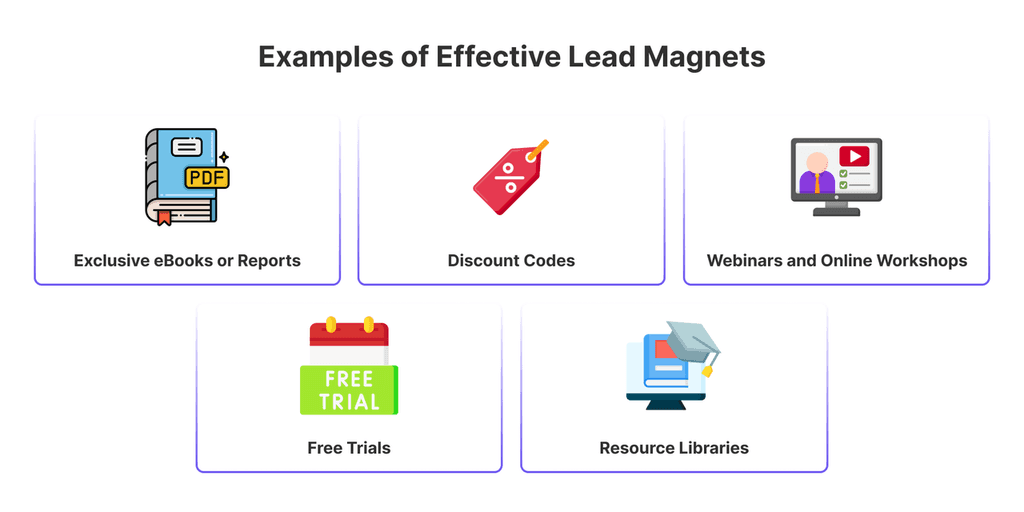
In the end, a great lead magnet is about creating value for your audience. If they feel like they’re getting something useful, they’ll be more likely to engage with your brand in the long run.
Utilize The Power of Social Media
We live in the age of social media, and so your web presence can be a game changer when it comes to growing your email list.
If you’re not leveraging platforms like Facebook, Instagram, LinkedIn, or even Twitter to grow your list, you're leaving a huge opportunity on the table.
Here’s the thing: social media allows you to reach a broader audience, including those who may not visit your website but are highly engaged with your brand. So, why not leverage that?
Let me walk you through some examples of how you can utilize each platform to build an exceptional list.
Facebook Groups - Create a community-focused Facebook Group where you offer exclusive content. I ask new members to sign up for my newsletter as part of the group entry, making it a seamless way to grow the list.
Instagram’s Story Features - Use Instagram Stories with swipe-up links (or bio links) directing followers to a landing page. Offering a free resource or behind-the-scenes content can significantly boost sign-ups.
Lead Generation Forms on LinkedIn - On LinkedIn, share industry insights or articles and encourage users to sign up for a newsletter for more in-depth content. You can also run LinkedIn Ads that include lead generation forms, allowing users to subscribe without leaving the platform.
Pinned Sign Up Forms on Twitter (X) - On Twitter, pin a tweet to your profile featuring your email newsletter. Offer an incentive, like a free download or exclusive updates, and include a direct link to your sign-up page.
And don’t forget, using automation tools like Hootsuite can help you stay consistent. I personally love using Hootsuite to schedule posts and track engagement across multiple platforms. It saves me tons of time while ensuring my sign-up forms get the visibility they need.
Plus, when you’re automating content and responses, you’re also opening the door to new followers who can become part of your email list.
Incorporate A Referral Program To Attract New Sign ups
Let’s face it: people are more likely to trust recommendations from their friends and colleagues than a cold marketing pitch.
From my experience, a well-executed referral program can work wonders for list growth.
It’s a simple process: you offer your existing subscribers an incentive for referring others, and those new subscribers get a bonus too. Win-win!
And for me the best part is that referral programs feel more personal and rewarding for everyone involved as it creates a sense of community.
Subscribers feel valued when they’re rewarded for spreading the word, and new sign-ups come in knowing that someone they trust recommended you. It’s an organic, authentic way to build relationships and expand your reach.
Some ways you can make your referral program effective is by,
Offering Irresistible Incentives - Make sure the reward is valuable enough for both referrers and referees. For example, “Refer a friend and both of you get 15% off your next purchase.”
Making it easy to share: Provide subscribers with a unique referral link they can share via email or social media. The easier it is for them to share, the more likely they are to participate.
Incentivizing top referrers: Encourage more referrals by offering additional bonuses for top referrers.
Use Social Proof: Share testimonials or case studies of people who’ve benefited from your referral program.
The bottom line? People love sharing great experiences, and when you give them the tools and incentives to do so, you’ll see your email list grow exponentially!
Gamify the Signup Process
In my experience, when you make the signup process enjoyable, people are not only more likely to complete it but also more likely to share it with others.
People love the idea of winning or unlocking something special, and gamifying your signup process taps into that natural desire for rewards and fun.
For example, instead of just asking for an email, why not offer a chance to win something in return? This tactic taps into the thrill of potential rewards, and people are much more likely to participate.
Some ways to gamify your sign-up process, include:
Spin-the-wheel for a discount: Visitors enter their email for a chance to win a percentage off or free product.
Scratch-off cards: Subscribers enter their email to “scratch” a virtual card for rewards.
Quizzes or personality tests: Offer a fun quiz where participants enter their email to see their results.
Challenges: Create a multi-day challenge where each day’s task is unlocked by providing an email.
Treasure hunts: Hide clues around your website and ask users to sign up to get the final hint.
These methods not only increase your subscriber count but also leave users with a positive, engaging experience. And when someone has fun signing up, they’re far more likely to stick around.
Why is building an email list so important?
Ok so now that you have a clearer understanding of what makes a email list great and what strategies can help you achieve that greatness - let’s take a step back and put things into perspective.
And to do that, let us answer this simple question - why are email lists important?
Well for starters - social media platforms come and go, algorithms change, but your email list is something you control.
Beyond this, it offers numerous other benefits.
It’s your direct line to customers: An email list allows you to reach your audience in a personal, private space—their inbox. No distractions from competing content.
High engagement rates: Studies show that email marketing has an open rate of about 20-30%, far higher than typical engagement on social media posts.
It drives conversions: According to DMA, email marketing boasts an ROI of $42 for every $1 spent. It’s a high-impact, low-cost way to drive sales, leads, or traffic.
You own the list: Unlike social media followers, your email list is yours. Even if platforms change or disappear, you still have direct access to your subscribers.
Highly targeted: Email segmentation allows you to create personalized campaigns that speak directly to individual customer needs, resulting in more engagement and better conversions.
It builds relationships: Email allows for nurturing your audience over time by providing value, offering solutions, and engaging on a deeper level than other channels.
Scalable marketing channel: Whether you have 100 subscribers or 100,000, you can reach them all with the click of a button—no need to pay for extra reach like on other platforms.
So, in a nutshell, building a strong email list is an investment in the future of your business. It’s a strategy that keeps paying off as your list grows and your relationship with subscribers deepens.
And it’s all the more easier, with the right tool in your marketing arsenal.
Top Tools to Build Your Email List in 2025
Optimonk
Optimonk is a versatile tool designed to help marketers grow their email lists by utilizing targeted, behavior-based pop-ups and opt-ins.
Best for: Growing email, messenger, and SMS signups with personalized user engagement.
Strengths & Key Features:
Subscriber recognition: Ensures only new visitors see pop-ups, avoiding disruption for existing subscribers.
A/B testing: Test different pop-up designs and calls-to-action (CTAs) to optimize conversion rates.
Mobile optimization: Pop-ups and CTAs are designed to work smoothly across all devices, ensuring no loss of leads from mobile visitors.
HubSpot’s Email Tool
HubSpot’s email marketing tools are part of its larger Marketing Hub, which provides everything you need to grow and manage your email list from scratch.
Best for: Crafting email templates, designing landing pages, and managing the customer lifecycle in an all-in-one marketing solution.
Strengths & Key Features:
All-in-one solution: Combines email marketing with landing pages, forms, and customer lifecycle management for a holistic approach.
Pop-up and CTA form templates: Easily create pop-ups and CTAs with templates that convert.
Segmentation & personalization: Automatically segment your audience and personalize content for higher engagement rates.
Landing page creation: Build high-converting landing pages without the need for complex design or technical expertise.
Mailchimp
Mailchimp is a versatile email marketing software known for its email marketing capabilities. From designing beautiful email templates to running fully automated campaigns, Mailchimp helps you focus on building and engaging with your list.
Best for: Designing marketing campaigns with an emphasis on email automation and landing page creation.
Strengths & Key Features:
Email automation: Create automated workflows to send personalized messages based on user behavior.
Customizable templates: Choose from a vast array of email and landing page templates to match your brand’s style.
Advanced segmentation: Segment your list based on a variety of criteria, ensuring more personalized campaigns.
Integrated analytics: Track open rates, click-through rates, and conversions to optimize your campaigns.
These tools offer robust features tailored to different stages of your business growth, helping you build an engaged and high-quality email list for 2025.
Whether you’re just starting out or ready to optimize an existing list, these platforms provide the functionality and ease of use to grow your audience effectively.
Conclusion
Building a high-quality email list is an ongoing process, but with the strategies I’ve outlined, you can take your list to new heights in 2025.
Remember, focus on quality over quantity, nurture relationships, and continually provide value to your subscribers. That’s the tried and tested secret to turning email addresses into loyal customers.
And once you have a high quality email list, you can take your email marketing campaigns to the next level with a platform like GoCustomer - which offers AI-powered hyper-personalization that can supercharge your email outreach.
With GoCustomer, you can create 1000s of unique emails for all of your prospects in your email list, thus amplifying the chances of engagement and conversion.
Sign up for early access, today!

Reach more customers with your cold emails
Table of Contents
In a nutshell
Building an email list is crucial because it gives you direct access to your audience, allowing you to communicate with them on your terms. Email marketing boasts one of the highest returns on investment, with an average ROI of $42 for every $1 spent. A quality email list can drive conversions, foster loyalty, and build lasting relationships with your customers.
To ensure your email list is high-quality, focus on organic growth strategies, such as offering valuable content, creating compelling calls to action, and segmenting your audience based on their interests. Avoid buying lists and instead prioritize subscribers who have given consent to receive your emails. Regularly clean your list to remove inactive subscribers.
The frequency of your emails should depend on your audience’s preferences and your content strategy. A good rule of thumb is to send regular updates—such as weekly or bi-weekly—while ensuring the content remains valuable and relevant. Avoid overwhelming your subscribers, as this can lead to increased unsubscribe rates.
To improve engagement, focus on providing personalized and relevant content that resonates with your audience. Segment your list to tailor your messages, use compelling subject lines, and include clear calls to action. Additionally, regularly solicit feedback from your subscribers to better understand their preferences and interests.
Absolutely! Many businesses start from scratch and successfully build their email lists over time. Focus on creating valuable content, engaging with your audience, and implementing effective sign-up strategies to grow your list gradually.

Subscribe to our Newsletter!
Digital advice costs money but we send it to
your inbox for free.
Related Blogs

Time is Money, and We're About to Save You Both!
Book a quick demo of our email marketing tools and watch as we transform your leads into loyal customers.

![A loop illustration w-auto h-[70px]](/_next/image?url=%2F_next%2Fstatic%2Fmedia%2Fvector1.7738e6de.png&w=256&q=75 "GoCustomer Platform Image")

Get in touch
Subscribe to our weekly Newsletter and receive updates via email.