

Email Marketing
Published:
Email Marketing
Qasim Farooq
Share
Did you know that the average office worker sends around 40 emails a day? With such a high volume, it's easy for messages to become mundane and forgettable.
However, adding a bit of humor to your email sign-offs can make your communications stand out and bring a smile to the recipient's face.
In this post, we'll explore some funny and creative email sign-offs that can replace the usual suspects like "Cheers", "Best", and "Warmest Regards". Get ready to discover ways to add a cheerful twist to your email endings and make your messages more memorable!
Understanding Email Salutations: The Basics
Email salutations are the opening and closing phrases you use in your emails. They set the tone for your message and frame the context of your communication.
The salutation is your first chance to make an impression, and the sign-off is your last chance to leave a memorable one.
A typical email starts with a greeting like "Hi," "Hello," or "Dear [Name]," which sets a friendly or formal tone depending on the context. The sign-off at the end of the email, such as "Sincerely," "Best regards," or "Thank you," wraps up your message neatly and leaves the reader with a specific feeling or impression.
Choosing the right salutation depends on your relationship with the recipient, the context of the email, and the tone you wish to convey.
For instance, a formal email to a potential business partner might start with "Dear Mr. Smith" and end with "Sincerely," whereas an email to a colleague might be more relaxed, starting with "Hi Jane" and ending with "Cheers."
Understanding these basics helps ensure that your emails are appropriate for the situation and respectful of the recipient.
It sets the foundation for effective and polite communication, no matter who you are emailing.
The Perks of Adding Humor to Your Email Sign-Offs
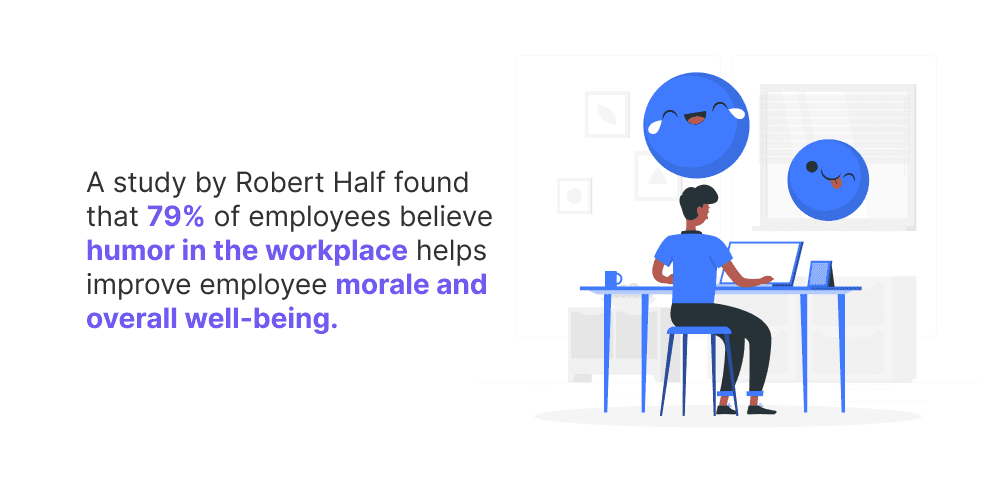
Adding humor to your email sign-offs can offer several benefits, transforming routine correspondence into a more enjoyable experience for both you and your recipient.
Here are some key perks:
Memorability
A funny or clever sign-off makes your email stand out in a crowded inbox. It can help your message linger in the recipient's mind long after they've read it, making it more likely they'll remember you and your message.
Personality
Humor allows you to inject some of your personality into your emails.
This personal touch can make your communication feel more genuine and relatable, helping to build rapport with the recipient.
Engagement
A light-hearted sign-off can make the recipient more engaged with your email.
It shows that you’ve put thought into your communication, which can foster a more positive response and interaction.
Positive Tone
Humor can diffuse tension and set a positive tone, even in difficult or mundane communications. It can make the recipient more receptive to your message and create a more pleasant interaction overall.
Branding
For businesses, a witty sign-off can be a subtle way to reinforce your brand’s personality. It can convey a sense of creativity, approachability, and modernity, aligning with your brand’s voice and values.
However, it’s important to use humor appropriately. Consider the recipient’s sense of humor, the context of your communication, and the relationship you have with them.
A well-timed and thoughtful joke can enhance your email, while a poorly chosen one can backfire. Always aim for humor that is light-hearted, inclusive, and inoffensive.
Sending positive vibes through your email sign-offs can make your customer communications more enjoyable and impactful.
Finding the Right Moment for a Funny Email Sign-Off
Using a funny email sign-off can add personality and lighten the mood of your messages. However, timing and context are crucial.
Here’s how to find the right moment:
Know Your Audience: Funny salutations for emails work best with people you know well, like close colleagues or friends. For professional emails to new clients or higher-ups, stick to traditional sign-offs.
Match the Email’s Purpose: Light-hearted updates or casual check-ins are perfect for funny email sign-offs. For serious topics or formal business matters, a straightforward response is better.
Align with Company Culture: In a creative or relaxed business environment, funny email sign-offs might be well-received. In more conservative settings, humor might not be as appreciated.
Assess Your Relationship: The closer you are to the recipient, the more appropriate a funny sign-off will be. For new contacts, keep it professional until you know their sense of humor.
Consider Timing and Mood: A funny sign-off might be great for a Friday afternoon email but not for a detailed email about a pressing issue. Make sure your humor matches the mood of your message.
Examples of When to Use Funny Email Sign-Offs
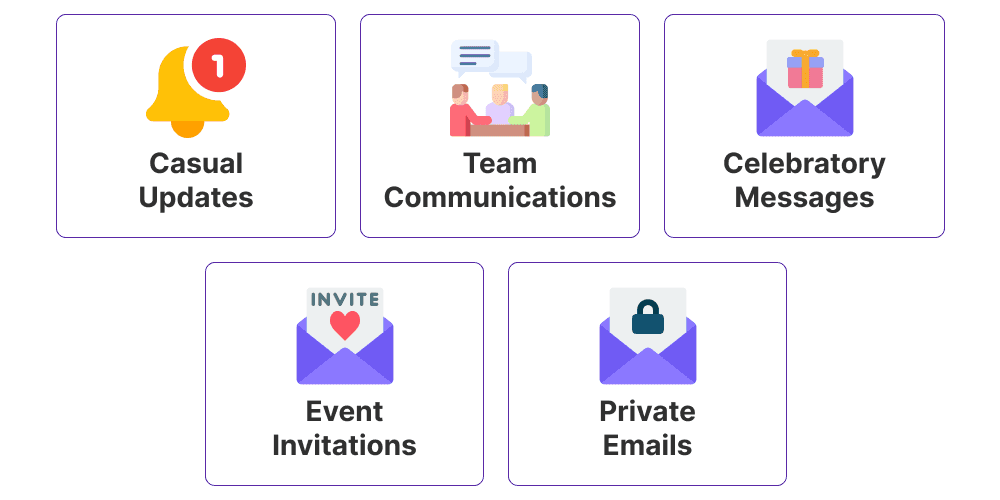
Casual Updates: Use a playful sign-off like “Catch you on the flip side!” for informal updates or friendly check-ins.
Team Communications: In internal team emails, a witty sign-off such as “Keep rocking!” can foster a positive vibe.
Celebratory Messages: When congratulating someone, a light-hearted sign-off like “We did it! Time to celebrate!” can enhance the celebratory tone.
Event Invitations: “Hope to see you there, party animal!” adds a fun touch to event invites.
Private Emails: “Stay awesome!” works well for personal, non-work-related emails.
Choosing the right sign-off moment ensures your humor is well-received and enhances your communication.
The key is to balance humor with appropriateness, matching the context and the recipient.
Types of Creative and Humorous Email Sign-Offs
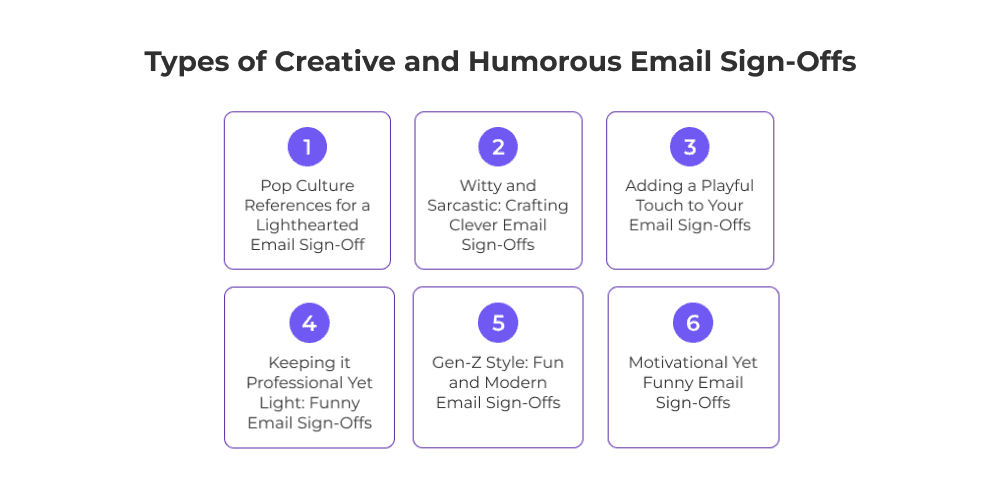
Pop Culture References for a Lighthearted Email Sign-Off
Injecting humor through pop culture references can make your emails memorable and relatable, especially if the recipient shares your interests.
Choose references that are widely recognized to ensure they resonate with your audience.
Examples:
Star Wars: "May the Force be with you" or a cheeky twist like "May the emails be with you."
Harry Potter: "Mischief Managed" for when a task is completed.
Toy Story: "To infinity and beyond!" for a playful send-off.
The Hunger Games: "May the odds be ever in your favor" to wish good luck.
Looney Tunes: "That’s all, folks!" for a humorous end.
The Lion King: "Hakuna Matata!" to convey no worries.
The Flintstones: "Yabba Dabba Doo!" for a playful and fun sign-off.
Anchorman: "Stay classy, San Diego" for a tongue-in-cheek farewell.
Star Trek: "Live long and prosper" to send a classic sci-fi farewell.
Make sure the reference matches the tone of your email and is appropriate for the context. Avoid obscure references unless you’re certain the recipient will understand them.
Witty and Sarcastic: Crafting Clever Email Sign-Offs
For those who enjoy a touch of sarcasm, witty email sign-offs can be both entertaining and impactful. Here are some tips and examples to craft the perfect sarcastic sign-off:
Use witty sign-offs with recipients who appreciate sarcasm. Avoid using them in strictly professional or formal settings unless you are sure the humor will be well-received.
Ensure your sarcasm is not too harsh or offensive. Aim for a gentle chuckle rather than a biting remark.
Examples
Coldest Regards: Perfect for when you want to subtly express disapproval.
Utterly Amazed: For responding to trivial information presented as groundbreaking news.
Deeply Disinterested: Ideal for conveying a lack of interest in a topic.
Affectionately Annoyed: When replying to a friend who is getting on your nerves.
Sincerely Impressed: For acknowledging someone who completed a task against your expectations.
With Eye Rolls: To express mild frustration in a humorous way.
With Headaches: When dealing with a complex or overly detailed email.
Congrats On Reading This Whole Email: For that one exceptionally long or detailed email.
These witty and sarcastic sign-offs add a fun and memorable twist to your emails, making them stand out in the recipient’s inbox. Just be mindful of the context and relationship to ensure your humor is appropriate and appreciated.
Adding a Playful Touch to Your Email Sign-Offs
Adding a playful touch to your email sign-offs can make your messages more engaging and memorable.
Adding a playful element to your email sign-off can lighten the tone and make your communication more enjoyable. This approach is perfect for emails where a bit of humor is appropriate and welcome.
Here's how to infuse some fun into your emails:
Examples:
Powered by Coffee: Perfect for those early morning emails, hinting at your reliance on caffeine to start the day.
Signing Off with a Smile: A warm, friendly way to end your email that leaves a positive impression.
Catch You on the Flip Side: A playful nod to catching up later, ideal for informal emails.
Keep Sparkling: Encouraging and fun, great for uplifting the recipient’s spirits.
To More Adventures!: Perfect for emails discussing future plans or projects, adding a sense of excitement.
Chasing Dreams, One Email at a Time: Adds a motivational twist to your sign-off, suitable for goal-oriented communications.
Keeping it Professional Yet Light: Funny Email Sign-Offs
Maintaining professionalism while adding a hint of humor to your email sign-offs can create a pleasant and memorable communication experience.
Blending a professional tone with a light-hearted touch ensures your emails are both respectful and personable. This approach is great for fostering a positive rapport without compromising on professionalism.
Here’s how to balance both:
Examples:
Sincerely Impressed: Adds a touch of humor by acknowledging something done well, especially when expectations were low.
Yours Truly (No, Really!): A playful twist on a classic sign-off, maintaining sincerity while adding a bit of fun.
Keep Rocking!: Motivational and light, perfect for encouraging colleagues or team members.
May Your Coffee Be Strong and Your Day Be Short: A humorous wish that resonates well in professional environments, especially during tough days.
Off to Save the World, or at Least My Inbox: Combines humor with the reality of tackling a busy workday, adding a relatable touch to your sign-off.
Kind Regards with a Smile: Keeps it professional with a subtle, friendly twist that can brighten the recipient’s day.

Gen-Z Style: Fun and Modern Email Sign-Offs
Incorporating a Gen-Z style into your email sign-offs can add a contemporary and relatable touch to your communications, especially when dealing with younger colleagues or clients.
Gen-Z email sign-offs are often characterized by their casual, humorous, and sometimes slightly irreverent tone. They reflect the generation's love for pop culture references, internet slang, and a laid-back approach to professional communication.
Here’s how to craft fun and modern sign-offs that resonate with the Gen-Z crowd:
Examples:
TTYL (Talk To You Later): A simple, casual way to end an email, reflecting the conversational style of Gen-Z.
Stay Lit: A modern way to wish someone well, reflecting the fun and energetic vibe of Gen-Z.
Catch You on the Flipside: This sign-off adds a playful tone and a sense of continuation to your communication.
Peace Out: A laid-back way to say goodbye, often used in friendly or casual professional emails.
Stay Gucci: Reflects a sense of being well or cool, often used by younger generations to convey positivity and style.
No Cap: This modern slang term, meaning "no lie" or "for real," can add an authentic touch to your sign-off, especially if you’ve shared important or genuine information in your email.
Using these fun and modern email sign-offs can make your emails more relatable and engaging to a Gen-Z audience, helping you build rapport and communicate effectively.
Motivational Yet Funny Email Sign-Offs
Combining humor with motivation in your email sign-offs can leave your recipients feeling encouraged and uplifted. Here are some examples of motivational email sign offs you can use in your emails:
Examples:
Keep Shining, Superstar!: Perfect for celebrating achievements or motivating someone to keep up the good work.
Stay Awesome and Keep Crushing It!: Encourages the recipient to continue their hard work with a positive and upbeat tone.
You’ve Got This – One Email at a Time!: Great for reassuring someone who might be feeling overwhelmed, adding a touch of humor to lighten the mood.
Here’s to Your Next Big Win!: A celebratory and forward-looking sign-off that combines motivation with anticipation.
May Your Coffee Be Strong and Your Monday Short: Combines the need for motivation with a humorous take on the common struggle of Monday mornings.
Dream Big, Act Bigger!: Inspires the recipient to pursue their goals with enthusiasm, with a touch of humor to make it light-hearted.
Keep Calm and Conquer On!: A play on the popular “Keep Calm” meme, tailored to encourage persistence and success.
To Your Continued Success and Occasional Sanity Breaks!: Recognizes the hard work while humorously acknowledging the need for rest and relaxation.
Also read: Email Design Best Practices: 11 Things to Pay Attention To
Knowing When to Keep It Serious: Avoiding Funny Sign-Offs
While funny email sign-offs can add a touch of personality and humor to your messages, there are times when it’s best to stick to more traditional and serious sign-offs.
Certain situations require a more serious and professional tone to ensure that your message is received with the gravity it deserves.
Knowing when to keep it serious can prevent misunderstandings and maintain the respectfulness of your communication.
Here’s how to determine when to avoid using funny sign-offs:
Examples:
Formal or Professional Communications: In emails to clients, superiors, or in formal settings, it’s best to use traditional sign-offs like "Best Regards," "Sincerely," or "Kind Regards." This helps maintain a professional tone and shows respect.
Sensitive or Serious Topics: When discussing sensitive or serious matters, using a funny sign-off could come across as insensitive. Opt for neutral or empathetic sign-offs like "Sincerely," "Best Wishes," or "Warm Regards."
New or Professional Relationships: When establishing new or professional relationships, start with conventional sign-offs. Once you know the recipient better, you can adjust your tone accordingly.
Cultural Sensitivity: Be mindful of cultural differences and sensitivities. Humor can vary widely across cultures, and what may be funny to one person might not translate well to another. Stick to more neutral sign-offs like "Regards" or "Best" in these contexts.
Official Correspondence: In official or legal correspondence, clarity and formality are crucial. Use serious sign-offs to ensure the content is taken seriously.
Client or Customer Interactions: In customer service or client interactions, especially if addressing a concern, avoid humor that might be perceived as trivializing the issue. Use respectful sign-offs like "Thank you," "Best Regards," or "Sincerely."
By understanding when to keep your email sign-offs serious, you can ensure that your communication is always appropriate, respectful, and effective.
This is crucial for maintaining professionalism and building trust with your recipients.
You might like: The Ultimate Guide: How Many Marketing Emails to Send Per Week for Optimal Results
Final Thoughts on Writing Funny Email Sign-Offs
Crafting the perfect funny email sign-off is both an art and a science. It's all about striking the right balance between humor and professionalism, ensuring your sign-off brings a smile without crossing any lines.
Remember, your email sign-off is often the last impression you leave on your recipient.
Whether you're aiming for a gentle chuckle or a full-on laugh, the goal is to add a bit of personality and warmth to your communication. Just like a good joke, timing and audience are everything.
When done right, funny sign-offs can make your emails more memorable and help build rapport. But always keep your context in mind.
A witty sign-off like "Stay awesome!" can brighten up a casual chat with a colleague, while something more neutral like "Best regards" might be more appropriate for new or formal connections.
In the end, the best email sign-off is one that feels natural to you and resonates with your recipient. So go ahead, get creative, and don’t be afraid to let your personality shine through your emails. After all, who said work communication has to be boring?
So, whether you're channeling your inner pop culture nerd with "May the Force be with you" or keeping it classy with a "Warmest Regards," remember to have fun with it.
Your sign-off is your personal touch, the cherry on top of your email sundae.
If you’re looking to make your email marketing even more effective and engaging, check out GoCustomer.
Our platform uses AI to help you craft personalized and impactful emails that stand out. With GoCustomer, you can seamlessly integrate creativity and efficiency in your email campaigns. Give it a try and take your email marketing to the next level.
Happy emailing, and may your inbox be forever filled with good vibes and gentle chuckles!

Reach more customers with your cold emails
Table of Contents
In a nutshell
Professional sign-offs can be witty while maintaining a formal tone. Examples include "Best, from my cubicle to yours," and "Logging off with corporate flair"
Yes, but it’s essential to balance humor with professionalism. Sign-offs like "Best wishes in all your business endeavors" or "Yours in corporate synergy and buzzwords" can add a light touch without compromising formality.
For friends and family, you can be more casual and humorous. Examples include "From my heart to your inbox," "Stay fabulous, as always," and "Hugs through cyberspace!"
Mixing humor with positivity can be very uplifting. Examples include "Radiantly yours, like a glow stick at a dance party," and "Wishing you a day as bright as a double rainbow"
Humor can help lighten the tone regarding busy schedules. Try "Time to hit pause – I’ve got a date with my to-do list," or "Signing off for now, but I’ll return like an unexpected meeting invitation"

Subscribe to our Newsletter!
Digital advice costs money but we send it to
your inbox for free.
Related Blogs

Time is Money, and We're About to Save You Both!
Book a quick demo of our email marketing tools and watch as we transform your leads into loyal customers.

![A loop illustration w-auto h-[70px]](/_next/image?url=%2F_next%2Fstatic%2Fmedia%2Fvector1.7738e6de.png&w=256&q=75 "GoCustomer Platform Image")

Get in touch
Subscribe to our weekly Newsletter and receive updates via email.