

Email Marketing
Published:
Email Marketing
Qasim Farooq
Share
How often do you hear someone say, "Let’s just eat out tonight"? It happens more than you might think. According to a 2024 survey by US Foods, the average person dines out three times a month, whether it's for the convenience, the social experience, or just because they don't feel like cooking.
And with the average American spending $166 per month at restaurants, there's a real opportunity for you to capture more of that business.
So, how do you make sure they choose your restaurant?
This is where email marketing shines. While social media and ads are great, emails land directly in your customers’ inboxes, making them feel like you’re speaking just to them.
It's more than just deals and discounts—it’s a way to keep your restaurant on their radar, build a loyal customer base, and turn casual visitors into regulars.
In this guide, we’ll break down how you can master email marketing for your restaurant. From building your email list to crafting messages that actually get opened, we’ve got you covered.
Plus, we’ll share some creative ideas and examples to inspire your next campaign.
Let’s start cooking!
Step-by-Step Guide to Launching Successful Email Marketing Campaigns for your Restaurant
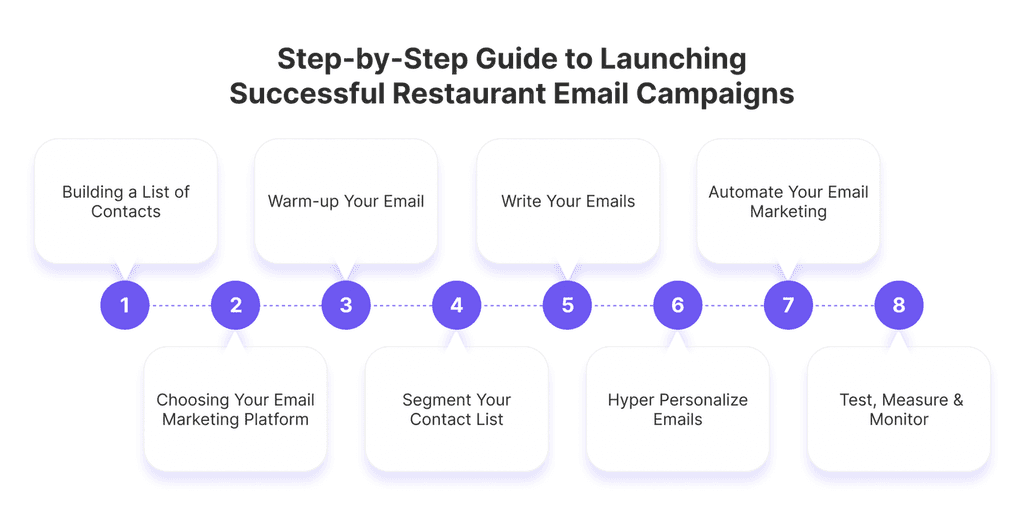
Step 1: Building a List of Contacts
Your email marketing campaign is only as strong as your contact list. If you don’t have a list of email addresses, even the best email campaign will fall flat. Luckily, there are plenty of simple and creative ways to grow your list. Start by making it easy for your customers to share their information with you.
Here are some strategies to help build your list:
Leave a stack of cards on the table so customers can write down their email.
Give away a free meal in exchange for signing up with their email.
Train your waitstaff to ask for email addresses and offer a small prize to the employee who collects the most.
Print opt-in messages on receipts so customers are reminded to join.
Create a pop-up on your restaurant's website encouraging visitors to sign up.
Use a QR code on table tents or menus for easy email sign-ups.
Offer an SMS Text-to-Join option, letting people join your list with a quick text.
No matter which methods you use, it’s important to make the sign-up process as easy and enticing as possible. The goal is to capture the interest of customers who want to hear from you—whether it’s for exclusive deals, updates, or special offers.
Once you start building your list, you’re laying the foundation for a successful email marketing campaign that keeps your customers coming back for more.
also read: How to Build a High Quality Email List for Email Marketing: Proven Strategies for 2025
Step 2: Choosing Your Email Marketing Platform
Now that you’ve started building your email list, it’s time to choose the right platform to help you manage and send those emails.
The platform you choose will be the backbone of your entire email marketing strategy, so it’s important to pick one that suits your restaurant’s specific needs.
Here are a few things to consider when selecting an email marketing platform:
Automation: A good platform should allow you to automate emails, like welcome messages, birthday offers, or reminders for diners who haven’t visited in a while.
Templates: Pre-designed email templates can save you time. Choose a platform that offers customizable, restaurant-friendly templates so your emails look professional and on-brand.
Segmentation: Make sure the platform allows you to segment your audience. Being able to send targeted emails to specific groups—like frequent diners or first-time visitors—can increase engagement.
AI Features: AI-powered features can take your email marketing to the next level. Look for platforms that offer AI-driven personalization, predictive analytics, and automated content generation. These features can help you tailor your messages to individual customer preferences and optimize your campaigns for better results.
Analytics: You’ll want to track how well your emails perform. Look for a platform that provides insights like open rates, click-through rates, and overall campaign performance.
Recommended Platforms
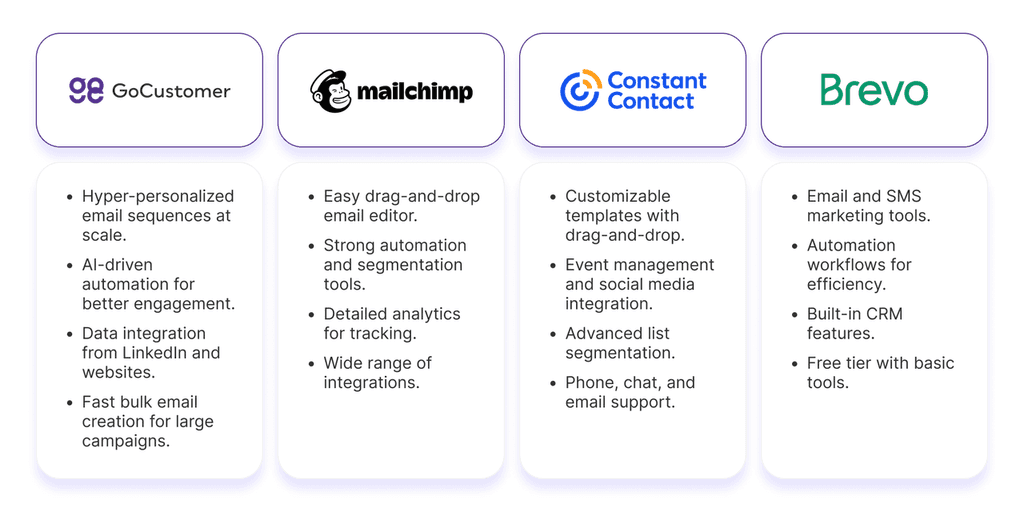
Here are a few platforms that are well-suited for restaurant email marketing:
GoCustomer: Known for its AI-driven capabilities, GoCustomer allows you to automate personalized email sequences and leverage data to improve engagement. It's a strong option for restaurants looking to send hyper-personalized emails with minimal effort.
Mailchimp: One of the most popular platforms, Mailchimp offers easy-to-use tools, automation, and customizable templates, making it a great all-in-one solution.
Constant Contact: With a focus on simplicity and strong customer support, Constant Contact is perfect for restaurant owners who need an intuitive platform.
Brevo: Known for its powerful automation and segmentation features, Brevo is a great option for those who want more control over their email marketing efforts.
Choosing the right platform will set the foundation for your email marketing success. With the right tools in place, you’ll be ready to send out targeted, effective emails that keep your customers engaged and coming back for more.
Step 3: Warm-up Your Email
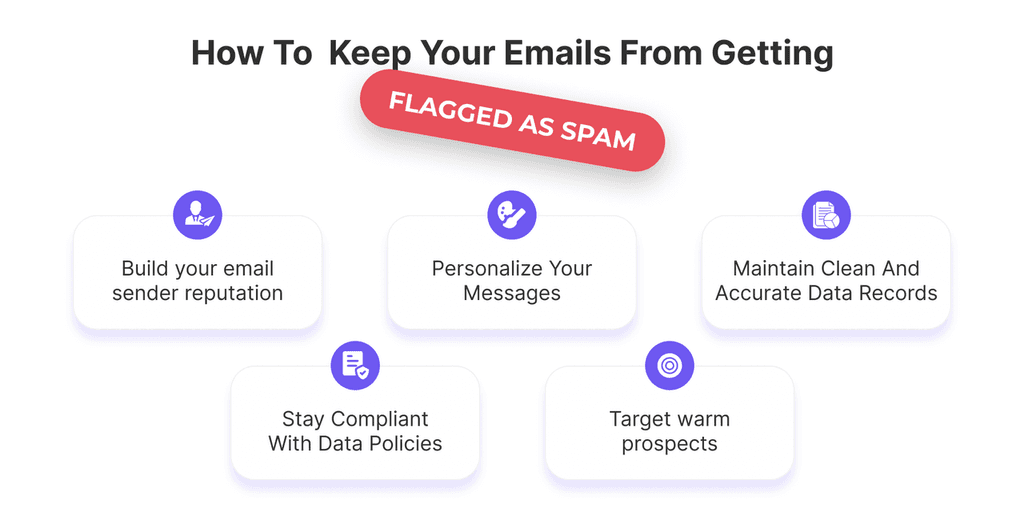
Before you dive into full-scale restaurant email marketing, it's important to "warm up" your email address. Think of it like stretching before a workout—warming up ensures your emails don’t end up in the spam folder.
Start by sending smaller batches of email campaigns to your most engaged contacts—people who have already shown interest in your restaurant. Gradually increase the number of emails you send over time.
This process helps build trust with email service providers (like Gmail or Yahoo), increasing the chances of your emails reaching your customers’ inboxes.
Many restaurant owners overlook this crucial step, but it’s key to running a successful restaurant email marketing campaign.
Step 4: Segment Your Contact List
Not all of your customers are the same, so why send them all the same message? Segmentation is a key restaurant email marketing strategy that allows you to send tailored messages to specific groups based on their preferences and behaviors. This approach can significantly improve your email marketing campaigns and boost customer loyalty.
Here are a few ways to segment your email list:
New customers: Send a warm welcome email with a special offer to make their first visit memorable.
Frequent diners: Reward loyal customers with exclusive promotions or early access to new menu items.
Customers who haven’t visited in a while: Send a reminder with a discount or an invitation to an upcoming event to bring them back.
Special interests: You can create segments based on dietary preferences, like vegan, gluten-free, or keto-friendly, to offer personalized promotions that fit their tastes.
Birthday offers: Create a segment for customers with birthdays coming up and send them a special birthday deal.
Location-based segmentation: If you own a chain, send customers updates about the location closest to them, such as restaurant email marketing campaigns focused on local events or new menu items.
Take-out preferences: For customers who prefer take-out, promote take-out deals or new offerings available for pickup or delivery, which can be highlighted in your restaurant marketing emails.
By segmenting your list, you can run more effective email marketing campaigns that resonate with each group.
This leads to better engagement and stronger customer loyalty, keeping your restaurant top of mind.
Step 5: Write Your Emails
Crafting clear, engaging emails is essential for any restaurant email marketing campaign. Here’s how to write effective emails:
Subject Line: Make it catchy and relevant, like “Get 20% Off Your Next Meal!” Keep it short and engaging.
Personalization: Address customers by name and include details from their past visits, like their favorite dishes or special offers.
Focus on One Goal: Keep the message simple—whether it’s driving reservations, promoting an event, or offering a discount.
Call to Action (CTA): Use clear CTAs like “Book a Table Now” or “Order Online Today.”
Branding and Visuals: Include your logo, brand colors, and high-quality images of your food or restaurant to grab attention.
Mobile-Friendly: Ensure your emails are easy to read and interact with on mobile devices.
Email Structure for restaurant email marketing:
Subject Line: Grabs attention (e.g., “Your Free Appetizer Awaits!”).
Greeting: Personalized, such as “Hi [Name],”.
Main Message: Brief, focusing on one promotion or announcement (e.g., “We’re offering 20% off your next visit!”).
CTA: A clear, clickable button (e.g., “Claim Your Offer” or “Order Now”).
Closing: Short and friendly, reinforcing your brand (e.g., “See you soon at [Restaurant Name]!”).
Footer: Include your restaurant’s address, contact info, and social media links.
Sample Email:
Subject Line: "Enjoy 20% Off Your Next Meal—Just for You!"
Hi [Customer Name],
We miss seeing you at [Restaurant Name]! To show our appreciation, we’re offering you 20% off your next meal. Whether you’re craving your favorite [Dish Name] or want to try something new, this offer is just for you.
Click below to claim your discount and make your next visit even more delicious:
[Claim Your Offer Button]
We can’t wait to welcome you back to [Restaurant Name]! Offer valid through [Date].
See you soon,
[Restaurant Name]
[Address] | [Phone Number]
Follow us on [Social Media Links]
Step 6: Hyper Personalize Emails
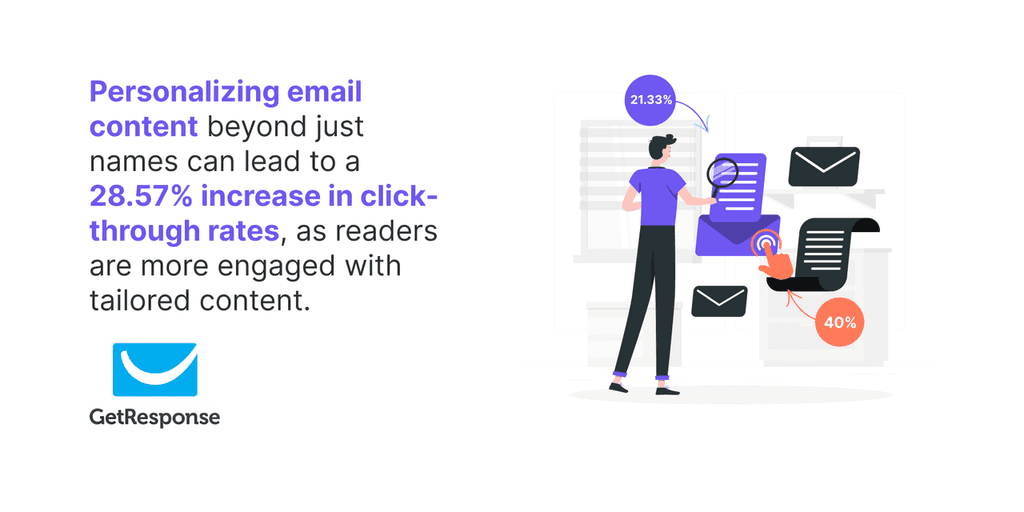
Hyper personalization goes beyond just using a customer’s name. It involves using customer data to send emails that are tailored to individual preferences and behaviors, boosting engagement and customer loyalty. Here's how you can incorporate hyper-personalization into your restaurant email marketing strategy:
Tips for Hyper Personalization:
Use Past Orders: Recommend similar menu items based on what customers have previously ordered.
Location-Based Offers: Send promotions for the restaurant location closest to the customer, including local events or exclusive deals.
Behavioral Triggers: Set up automated emails triggered by customer actions, like browsing the menu without ordering.
Loyalty Program: Integrate your loyalty program into emails to reward frequent diners with personalized offers.
Special Occasion Emails: Send birthday or anniversary emails with special offers to make customers feel appreciated.
Timing: Schedule emails based on when customers are most likely to engage, like sending lunch specials before noon.
These hyper-personalization tactics will make your restaurant email marketing campaigns feel more tailored, increasing engagement and encouraging repeat business.
Recommended Platform for Hyper Personalization: GoCustomer
When it comes to hyper-personalizing your restaurant email marketing efforts, GoCustomer is an ideal platform. It’s designed to help restaurants like yours send highly targeted, unique emails that make your customers feel like they’re getting special attention.
Here’s how GoCustomer works for restaurants:
Hyper-Personalized Emails at Scale: GoCustomer allows you to create thousands of personalized emails in just minutes. Whether you’re targeting new customers or your most loyal diners, GoCustomer uses data from various sources to tailor each email, making every message feel custom-made.
Up-to-Date Customer Insights: GoCustomer pulls in fresh information from platforms like LinkedIn and websites to ensure your emails are always relevant. For restaurants, this means you can update customers about new menu items, upcoming events, or even local promotions based on the latest data.
Boost Engagement and Conversions: With GoCustomer, you can easily run restaurant email marketing campaigns that are designed to increase customer loyalty and boost conversion rates. Hyper-personalization helps maintain customer interest and keeps your restaurant top-of-mind, whether you’re promoting an in-house dining experience or take-out deals.
Save Time: Creating personalized emails for each customer can feel overwhelming, but with GoCustomer, you can generate 1000s of emails quickly, giving you more time to focus on running your restaurant.
If you’re looking for a way to take your restaurant email marketing strategy to the next level, GoCustomer offers the tools you need to send hyper-personalized, impactful emails that keep your customers coming back for more.
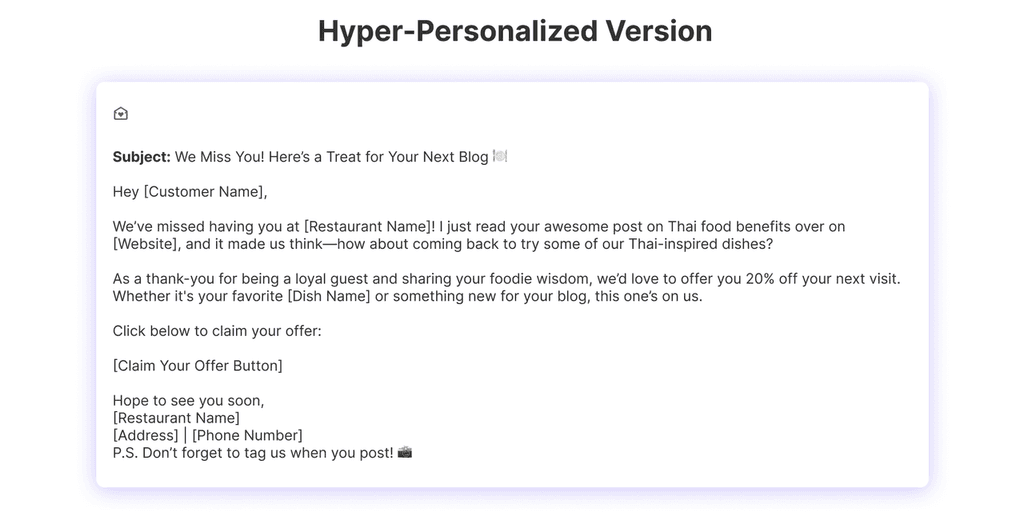
Remember the email example I gave you above? Below is how hyper-personalization can transform that message.
Step 7: Automate Your Email Marketing
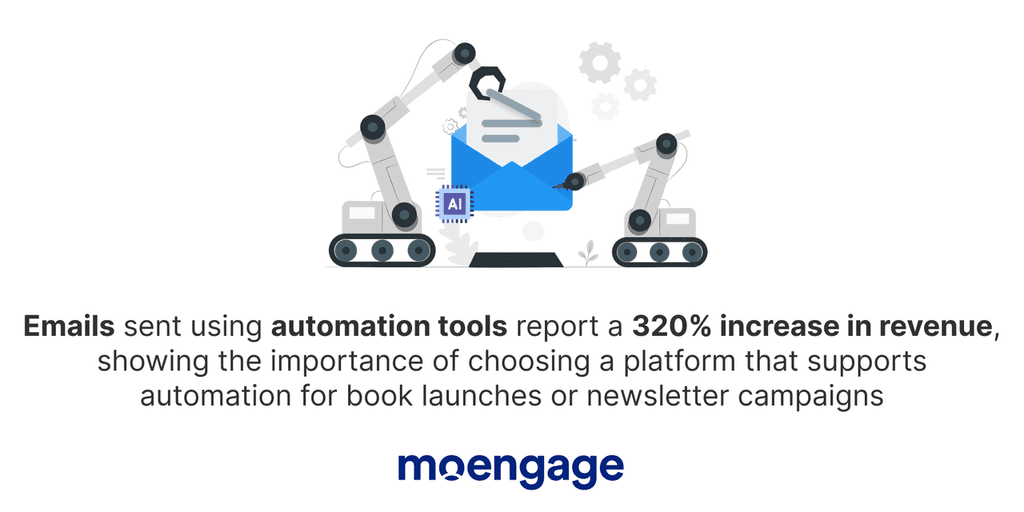
Automating your email marketing is essential to maintaining consistency and efficiency in your campaigns, especially for restaurants.
By setting up automated workflows, you can nurture relationships with customers without manually sending each email.
Start by creating automated sequences for important touchpoints, such as:
Welcome emails for new subscribers
Birthday or anniversary offers to delight loyal customers
Re-engagement emails for customers who haven’t visited in a while
Post-purchase follow-ups to gather feedback and encourage repeat business
Utilize an email marketing platform like GoCustomer that supports automation and segmentation, allowing you to personalize the customer experience based on their preferences, dining habits, and even location.
For example, send personalized take-out offers to customers who typically order online or update them about events at their nearest restaurant location.
Automation not only saves time but ensures that your customers receive timely, relevant communication that keeps your restaurant top-of-mind. You can focus on creating great food and experiences, while your emails continue working in the background.
Step 8: Test, Measure & Monitor
Even with the best automation, your email marketing strategy isn’t complete without ongoing testing, measurement, and monitoring. To optimize performance, regularly A/B test elements such as:
Subject lines: Does a more personalized subject line drive higher open rates?
Content layout: Are customers more engaged with emails that include images or primarily text?
Call-to-action buttons: Does a stronger or differently worded CTA result in more clicks?
After testing, measure key metrics such as open rates, click-through rates, conversion rates, and unsubscribe rates. Monitoring this data allows you to understand what’s working and what needs adjustment.
For example, if your click-through rate is low, it could indicate that the offer isn’t compelling enough or the CTA isn’t clear.
Use these insights to continuously refine your campaigns.
Tools that integrate with your CRM system can help track customer behavior and provide detailed reports on the success of your campaigns.
By regularly testing, measuring, and monitoring, you can improve your email marketing performance and ensure long-term success.
Examples of Great Restaurant Email Marketing
The best restaurant email marketing campaigns are clear and straight to the point. Restaurants don’t need to overcomplicate things—just provide customers with a compelling reason to think of you next time they’re deciding where to eat.
1. Olive Garden’s National Pasta Day Campaign: A great example is Olive Garden’s email campaign for National Pasta Day, celebrated every October 17th. They sent a fun, timely message to their email list celebrating the holiday and offering a special deal on their pasta dishes. To maximize the reach, they also posted the same message on their social media, creating a cohesive campaign that reinforced their brand.
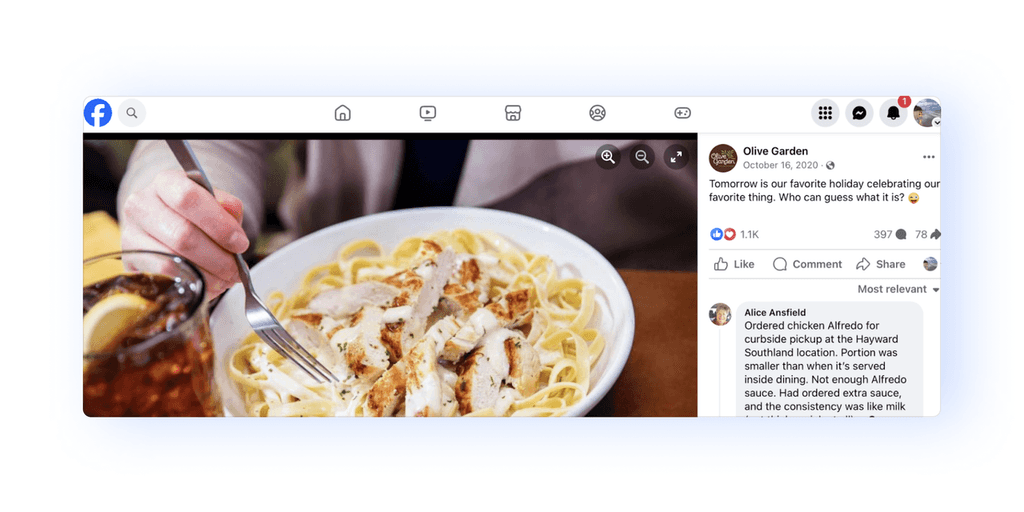
Takeaway: Use food-related holidays, like National Pasta Day, to create fun, engaging emails that tie in with your restaurant’s offerings. Synchronizing these messages across email and social media can create a unified brand experience.
2. California Tortilla’s Burrito Elito Loyalty Program: California Tortilla took a unique approach with their Burrito Elito loyalty program. Diners who signed up for the program received special deals through email, encouraging them to visit the restaurant regularly. The fun and playful branding of the loyalty program made it even more appealing and gave customers an incentive to keep coming back.
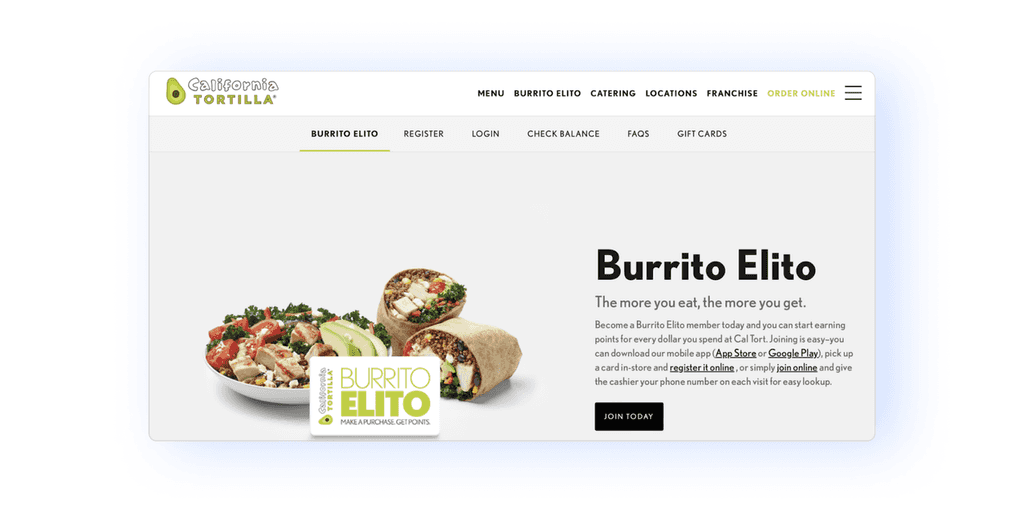
Takeaway: Launch a loyalty program that not only rewards repeat customers but also brings a sense of excitement to your email campaigns. California Tortilla’s creative and engaging approach kept their audience hooked.
3. George Howell Coffee’s Limited-Time Coffee Offer: George Howell Coffee nailed it with their email marketing by promoting their limited-time roasted coffee beans. Their emails offered subscribers 10% off their next order and created a sense of urgency by highlighting the exclusive nature of the product. This simple approach made customers feel like they were getting something special and time-sensitive.
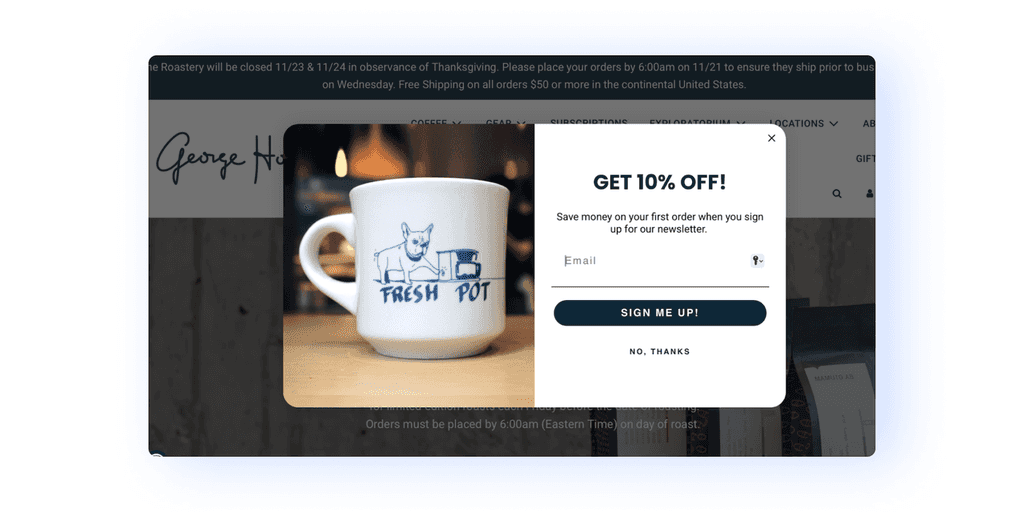
Takeaway: Highlight limited-time offers or exclusive products in your emails, and create a sense of urgency like George Howell Coffee did. Including a discount or incentive for subscribers can make your campaign even more effective.
Common Challenges in Restaurant Email Marketing and How to Overcome Them
Low Open Rates: Customers may not open your restaurant marketing emails due to weak subject lines or poor timing.
Solution: Use personalized, compelling email subject lines and test different send times using A/B testing to improve open rates in your restaurant email marketing campaigns.Emails Going to Spam: Spam filters block your restaurant email campaigns when they contain common trigger words or have poor sender reputations.
Solution: Avoid spam trigger words, regularly clean your email list, and follow email marketing regulations like GDPR to ensure your restaurant marketing emails reach the inbox.Lack of Personalization: Generic email marketing content fails to engage restaurant customers because it doesn’t feel relevant.
Solution: Segment your email subscribers based on dining preferences, location, and past behavior, and use automated restaurant email marketing strategies to deliver hyper-personalized offers.Unclear Calls-to-Action (CTAs): Vague or hidden CTAs in your restaurant email marketing campaigns can confuse customers and reduce conversions.
Solution: Use clear, action-driven CTAs like “Claim Your Offer” with prominent buttons that stand out in your email marketing campaign.Inconsistent Email Frequency: Sending too many or too few restaurant marketing emails can lead to customer fatigue or disengagement.
Solution: Set a consistent email marketing schedule (weekly or bi-weekly) for your restaurant's email campaigns, and adjust the frequency based on audience engagement metrics.Ineffective Content: Boring or irrelevant email content causes restaurant customers to unsubscribe or lose interest in your marketing emails.
Solution: Provide value in every email by offering exclusive deals, sneak peeks at upcoming events, or showcasing user-generated content to keep your restaurant email marketing campaigns engaging.
Wrapping It Up
Mastering restaurant email marketing might seem challenging, but with the right strategies, it can be a game changer for your business.
From crafting engaging content and personalizing your offers to automating your emails and testing what works best, every step helps you build stronger connections with your customers.
And remember, email marketing isn’t just about sending messages—it’s about creating meaningful, timely interactions that keep your restaurant top of mind.
By addressing the common challenges and staying consistent, you’ll turn one-time diners into loyal regulars.
So, start crafting those emails, and watch your customer loyalty grow!

Reach more customers with your cold emails
Table of Contents
In a nutshell
Email marketing can benefit your restaurant by helping you stay connected with your customers, promote new menu items, drive more reservations, and improve customer loyalty. It’s also a cost-effective way to share exclusive promotions and bring back customers who haven’t visited in a while.
It’s best to send emails regularly without overwhelming your customers. For most restaurants, sending emails once or twice a month works well. You can send more emails around special occasions, holidays, or new menu launches. Just make sure your emails provide value to avoid unsubscribes.
To grow your email marketing list, offer incentives like discounts, free appetizers, or exclusive deals in exchange for email sign-ups. You can collect emails through your website, social media, in-person at the restaurant, or by using a sign-up form on receipts.
Hyper-personalizing your restaurant emails involves using customer data such as past orders, location, or dietary preferences to tailor content. You can send personalized recommendations, special birthday offers, or local promotions based on the nearest restaurant location.
The best time to send restaurant marketing emails depends on your audience, but typically, weekdays during mid-morning (10 AM - 11 AM) or around lunchtime (12 PM) work well. You can also experiment with dinner reminders sent later in the afternoon (4 PM - 5 PM).
Subscribe to our Newsletter!
Digital advice costs money but we send it to
your inbox for free.
Related Blogs
Time is Money, and We're About to Save You Both!
Book a quick demo of our email marketing tools and watch as we transform your leads into loyal customers.

![A loop illustration w-auto h-[70px]](/_next/image?url=%2F_next%2Fstatic%2Fmedia%2Fvector1.7738e6de.png&w=256&q=75 "GoCustomer Platform Image")

Get in touch
Subscribe to our weekly Newsletter and receive updates via email.