From Slow Growth to Explosive Results: How Bloggers Can Win with Email Marketing
Supercharge Your Blog with Proven Email Marketing Strategies
Email Marketing
Supercharge Your Blog with Proven Email Marketing Strategies
Published:
Email Marketing
Qasim Farooq
Share
For bloggers looking to grow their audience and keep readers engaged, email marketing is an essential tool.
It’s not just about sending updates; it’s about building a direct, meaningful connection with your audience.
When done right, email marketing can boost your blog traffic, turn casual readers into loyal followers, and create a lasting bond with your subscribers.
But let’s face it—managing an email list, creating content that resonates, and driving consistent traffic can feel overwhelming.
From figuring out how to grow your list to crafting emails that actually get opened, there are plenty of challenges along the way.
That’s where this guide comes in. We’ll walk you through each step of mastering email marketing, with practical tips and proven strategies to help you overcome those common hurdles.
Whether you’re just starting or looking to improve your current approach, this guide will give you everything you need to see better results from your email efforts.
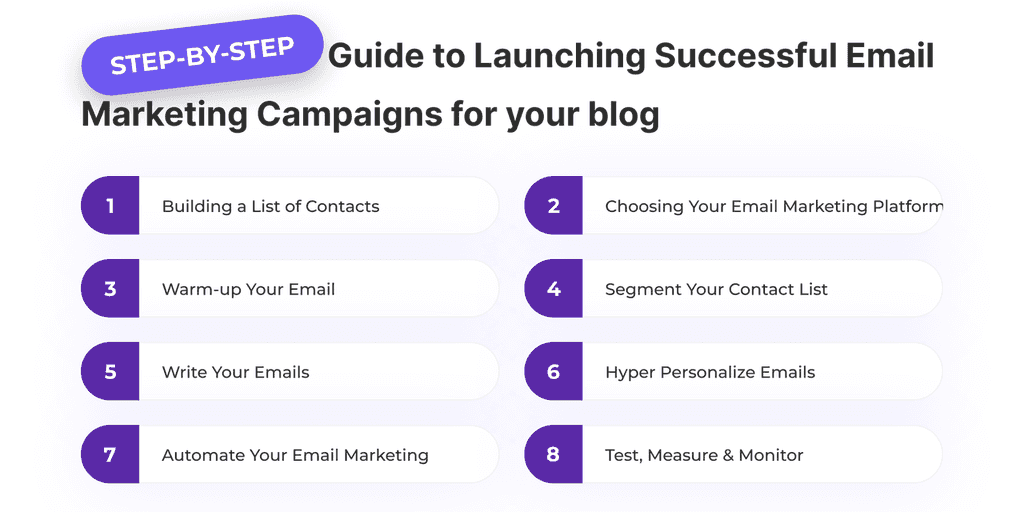
Before you can start sending emails, you need to build a solid list of subscribers. These are the people who are genuinely interested in your blog and are likely to engage with your content. But how do you get them to sign up?
The key is to offer something valuable in return for their email address. Think about what your readers would find helpful—a free guide, exclusive content, or maybe even access to a members-only newsletter. By offering this value, you create an incentive for visitors to subscribe.
Next, make it as easy as possible for them to sign up. Place signup forms in strategic spots on your blog, like in a sidebar or as a pop-up. Keep the process simple.
Just ask for an email address and maybe a first name. The less friction in signing up, the more subscribers you’ll attract.
Here are some effective ways to collect emails in the blogging industry:
Content Upgrades: Offer downloadable resources (e.g., checklists, templates, or ebooks) that complement a specific blog post.
Exclusive Access: Create a members-only area or newsletter that offers insider tips, early access to content, or special promotions.
Pop-ups and Slide-ins: Use timed or exit-intent pop-ups to capture readers' attention without disrupting their browsing experience.
Embedded Signup Forms: Place signup forms in high-traffic areas like your homepage, footer, or within the content of popular blog posts.
Quizzes and Surveys: Engage your audience with interactive quizzes or surveys, offering personalized results in exchange for their email address.
Content Gating: Restrict access to premium content, asking readers to provide their email before they can view it.
Remember, it’s not just about the numbers. You want to focus on quality over quantity.
Having a smaller, more engaged list of readers who care about your content will do more for your blog than thousands of disengaged subscribers.
also read: How to Build a High Quality Email List for Email Marketing: Proven Strategies for 2025
Once you’ve started building your list, the next crucial step is selecting the right email marketing platform.
This tool will not only help you manage your email list but also create, send, and track your campaigns. With so many options available, it’s important to choose a platform that fits your needs as a blogger.
Here are a few factors to consider when making your decision:
Ease of Use: You want a platform that’s intuitive and easy to navigate, especially if you’re new to email marketing. A user-friendly interface will make creating and sending emails much simpler.
Automation Features: Look for platforms that offer automation, such as sending welcome emails or setting up drip campaigns. This can save you time and ensure that your audience receives timely and relevant content.
Customization Options: The ability to customize your emails—whether through templates, layouts, or personalized elements—is key to creating engaging and unique campaigns that reflect your brand.
Analytics and Reporting: Good platforms provide detailed insights into how your emails are performing. Features like open rates, click-through rates, and subscriber growth are essential for refining your strategy.
Integration with Other Tools: If you use other tools for your blog, like WordPress or social media schedulers, make sure your email platform integrates seamlessly with them.
Cost: As a blogger, you’ll want to find a platform that fits your budget. Many platforms offer free versions with basic features, which can be a great way to start.
The key is to find one that aligns with your goals and makes managing your email marketing efforts easier.
Choosing the right platform is essential because it’s the foundation of your entire email marketing strategy.
Once you’ve selected one, you’ll be ready to start sending emails that engage your audience and help grow your blog.
Before you start sending bulk emails to your entire list, it’s important to warm up your email. This means gradually increasing the volume of emails you send to build a good reputation with email providers and avoid your emails landing in the spam folder.
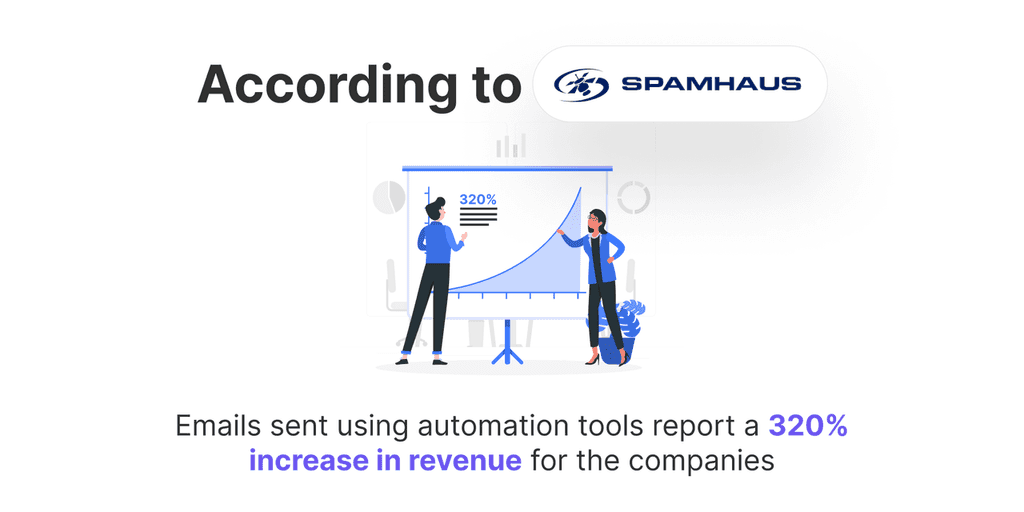
Here’s how to warm up your email properly:
Start Slowly: Begin by sending emails to a small group of your most engaged subscribers. This helps establish a solid sending reputation.
Increase Gradually: Over time, slowly increase the number of emails you send. This can be done in phases, allowing email providers to recognize that you’re a trustworthy sender.
Focus on Engagement: High open rates and interaction are key during the warm-up phase. Sending to active subscribers first increases your email engagement, which boosts your sender reputation.
Monitor Performance: Keep an eye on metrics like bounce rates, deliverability, and open rates. If your emails are being marked as spam or not getting through, it’s a sign that adjustments are needed.
Warming up your email isn’t just for new email addresses—it’s also important if you’ve been inactive for a while or are switching to a new platform.
By taking the time to warm up your email, you’ll improve deliverability and ensure your campaigns reach your audience’s inbox.
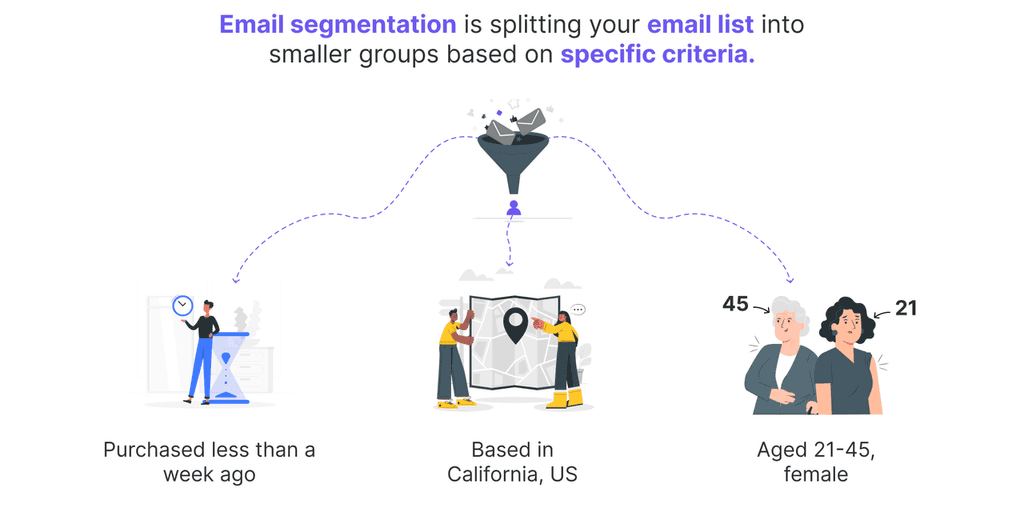
Segmentation is one of the most powerful tools in email marketing. It allows you to divide your list into smaller groups based on specific criteria, such as behavior, preferences, or demographics.
This means you can send targeted, relevant content to each group, improving engagement and conversion rates.
Here are a few effective ways to segment your contact list:
New vs. Returning Subscribers: Send a different type of email to new subscribers than you would to those who have been on your list for a while. Welcome emails work well for new subscribers, while loyal readers might appreciate exclusive content.
Behavior-Based Segmentation: Segment based on actions subscribers have taken, such as opening previous emails, clicking links, or making a purchase.
Interests and Preferences: Tailor your emails to specific topics your readers are most interested in. For example, if you blog about multiple subjects, you can ask subscribers to choose which topics they’d like to hear more about.
Demographics: Segmenting by location, age, or other demographics can help you send more personalized emails. For instance, if you’re running a local event, you can target subscribers in that region.
Engagement Level: Separate highly engaged subscribers from those who may not interact with your emails as much. You can send re-engagement campaigns to the less active group to draw them back in.
By segmenting your list, you can create more personalized and relevant email experiences for your subscribers.
This not only increases the likelihood that your emails will be opened and read but also helps build stronger relationships with your audience.
Now that you’ve built your list, chosen your platform, warmed up your email, and segmented your contacts, it’s time to focus on the actual content of your emails.
Writing effective, engaging emails is key to keeping your audience interested and driving the results you want—whether that’s more traffic, conversions, or simply deepening the connection with your readers.
Here are some tips to help you write emails that stand out:
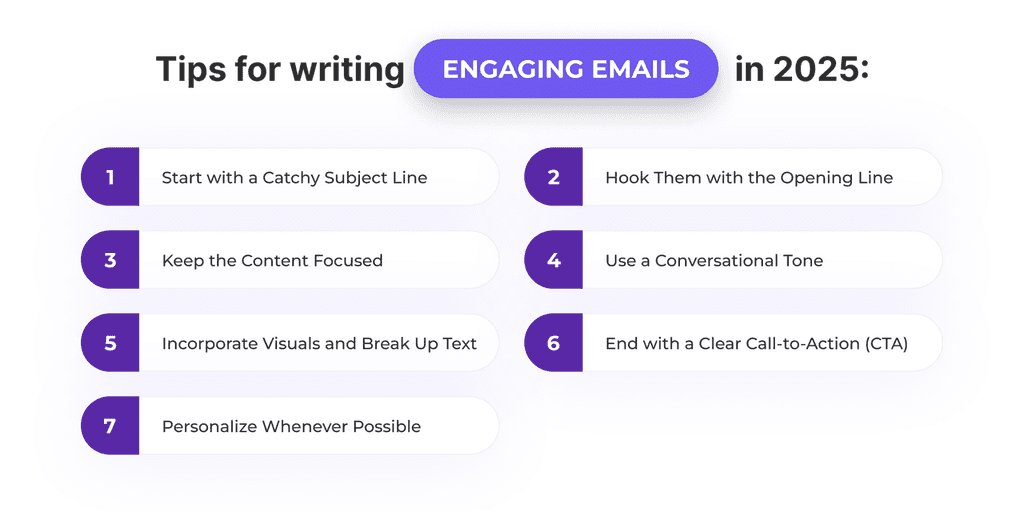
Start with a Catchy Subject Line: The subject line is the first thing your readers see, so make it count. Aim for something intriguing, clear, and concise—enough to grab attention but not so vague that it’s unclear what the email is about. Personalization can also help here, like using the recipient's name.
Hook Them with the Opening Line: Your opening sentence should draw your readers in right away. Ask a question, share an interesting fact, or start with a relatable statement. This is your chance to make a strong first impression and keep them reading.
Keep the Content Focused: Avoid overwhelming your readers with too much information in a single email. Stick to one main message or call-to-action per email. If you have several things to share, consider breaking them into separate emails or using clear sections to make the content scannable.
Use a Conversational Tone: Remember, email is personal. Write as if you’re speaking directly to the reader. Keep it friendly and conversational, but still professional, so that your emails feel more like a one-on-one conversation rather than a mass communication.
Incorporate Visuals and Break Up Text: No one likes a wall of text. Break up your content with images, bullet points, and short paragraphs to make it easier to read. Adding visuals or GIFs can also make your emails more engaging and fun.
End with a Clear Call-to-Action (CTA): What do you want your readers to do after they’ve read your email? Whether it’s clicking a link, replying to your message, or checking out your latest blog post, make your CTA clear and easy to follow.
Personalize Whenever Possible: Personalized emails perform better. This doesn’t just mean using the subscriber’s name—try personalizing based on their behavior or preferences. For example, recommend blog posts based on their past clicks or interactions.
By following these tips, you can create emails that not only capture your audience’s attention but also encourage them to take action.
Writing effective emails isn’t just about getting the words right; it’s about connecting with your audience on a personal level and providing them with value.
As a blogger, building a personal connection with your audience is key, and hyper personalization can elevate your email marketing strategy. In a world where inboxes are flooded with generic messages, delivering relevant content tailored to each reader’s interests can make a big difference in how they engage with your email marketing campaigns.
Here are some ways to hyper-personalize your email marketing efforts specifically for bloggers:
Content Recommendations Based on Reading Habits: Use data from your email marketing platform to track which blog posts or categories your email subscribers are most interested in. Then, send new blog post recommendations based on their preferences. For example, if a reader frequently engages with your travel blog content, suggest related blog articles or guides in your email campaign.
Personalized Blog Roundups: Instead of sending the same email to everyone, create email marketing campaigns that feature valuable content tailored to each reader. Highlight new blog posts based on topics your readers have previously engaged with. This way, your subscribers feel like each email was crafted just for them, improving click-through rates and blog traffic.
Behavior-Triggered Emails: If a reader downloads a free resource or signs up for a newsletter, follow up with automated emails using your email marketing automation tool. For instance, if someone subscribes after reading a post on email marketing tips, you can send a welcome email series that includes related blogging tips or new blog content.
Segment Your Audience by Interests: Use email marketing software to divide your subscriber list by interests. For example, if your blog articles cover multiple topics—like food, fitness, and travel—send more focused emails to those who prefer one topic. Segmentation makes sure your email campaigns are highly relevant and engaging for each group.
Dynamic Content Blocks: Many email marketing tools allow for dynamic content blocks, which can show different blog post suggestions based on each subscriber’s interests. This makes the email feel personalized without additional manual effort on your part, especially if you're using free email marketing tools that offer this feature.
Personalized Event or Milestone Emails: Celebrate milestones with your subscribers, like anniversaries of when they first joined your email list, or offer exclusive content when they hit certain engagement levels. For instance, you can send editor's notes or special email templates to readers who frequently comment on your blog posts or interact with your social media channels.
Customized Offers for Engaged Readers: If you offer products, courses, or services on your blog, tailor offers based on a reader’s interaction with your blog content. Personalized offers tied to specific behaviors, like signing up through a landing page or interacting with a pop-up form, can lead to higher conversions and engagement.
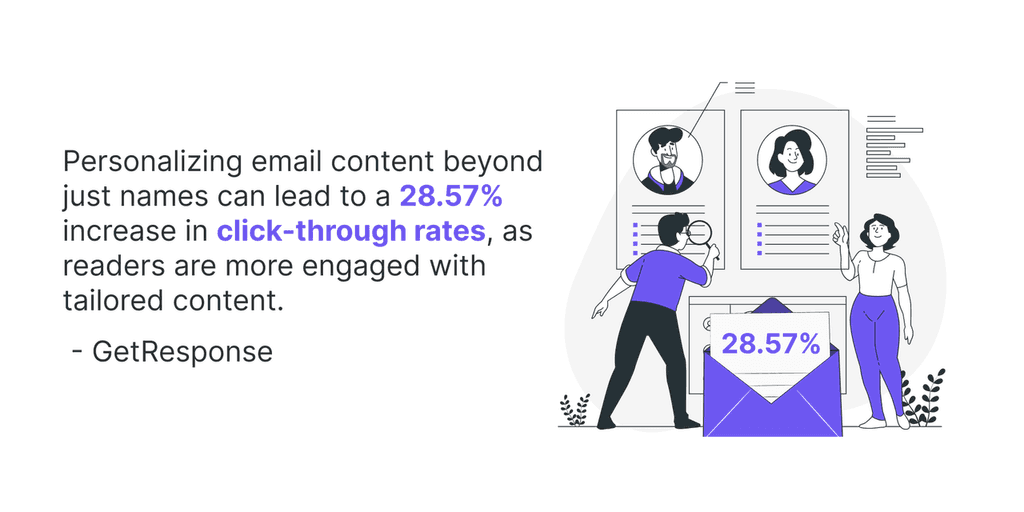
By hyper-personalizing your emails, you’re not just sending information—you’re curating an experience that resonates with each reader on a personal level.
This increases engagement with your email marketing blog and builds a loyal audience that returns for your content, boosting your blog’s success in the blogging world.
If you’re looking for a platform that offers these hyper-personalization abilities, then GoCustomer is the perfect fit for you. With GoCustomer, you can create thousands of unique emails for all your prospects—let’s say 1,000 emails in just a few minutes.
This approach, along with targeted email campaigns and strategies to ensure your emails are received, helps improve response rates, increase conversions, and maintain customer interest.
Automation is a game-changer for bloggers' email marketing because it saves time and helps ensure that the right message reaches the right person at the perfect moment.
Automating your email campaigns allows you to nurture leads, welcome new subscribers, and keep your audience engaged without manually sending each email.
Here are a few ways to automate your email marketing efforts:
Welcome Emails: Set up an automated welcome email or series to greet new subscribers as soon as they sign up. This is a great way to introduce yourself, share your most popular blog content, and make a strong first impression.
Drip Campaigns: Drip campaigns are automated sequences that send a series of emails over time. For example, if someone downloads a free resource, you can follow up with related blog articles or offers through a drip campaign. This keeps your audience engaged without you having to lift a finger.
Behavioral Triggers: Use automation to send emails based on specific actions your readers take, like clicking a link, downloading an ebook, or viewing certain blog posts. These automated emails feel more relevant because they respond directly to your audience's behavior.
Scheduled Newsletters: Automate your weekly newsletter by setting up a schedule so it goes out at the same time each week. You can include updates about new blog posts, popular articles, or any upcoming events.
Re-engagement Emails: Automate emails to inactive subscribers who haven’t interacted with your content in a while. These emails can bring them back by offering a fresh piece of blog content or an exclusive offer.
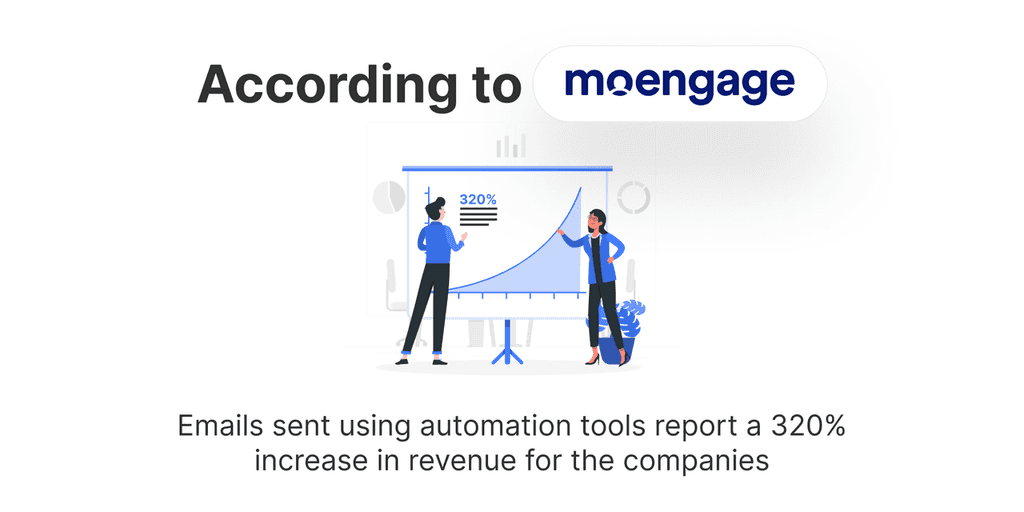
By using email marketing automation, you can stay connected with your audience, provide valuable content, and drive traffic back to your blog—all while freeing up time to focus on writing.
Many email marketing platforms like GoCustomer offer built-in automation tools that make this process easy.
Once your email campaigns are up and running, the next step is to track how they’re performing. Testing and monitoring your emails regularly allows you to improve your marketing strategy and get better results over time.
Here are a few key things to focus on:
A/B Testing: Run A/B tests on different elements of your emails, such as subject lines, content, or CTAs (calls to action). For example, you can test two different subject lines to see which one gets more opens. A/B testing helps you figure out what resonates best with your audience.
Key Metrics to Monitor: Keep an eye on metrics like open rates, click-through rates, and conversion rates. These metrics give you valuable insights into how well your emails are performing. If you notice certain emails consistently getting low opens, it might be time to tweak your email strategy.
Deliverability Rates: Ensure your emails are making it to your readers' inboxes and not ending up in the spam folder. High deliverability rates are key to the success of any email marketing campaign.
Monitor Engagement: Pay attention to how your readers engage with your emails. Are they clicking links? Visiting your blog? Signing up for events? This data can help you refine your email marketing strategy and create content that better suits your audience's needs.
Adjust Based on Data: Use the insights from your tracking to make adjustments. For example, if you notice a drop in engagement, you might want to update your email templates or add more personalization to better connect with your readers.
By regularly testing and monitoring your email marketing efforts, you can fine-tune your approach to improve blog traffic and engagement.
Platforms like GoCustomer provide detailed analytics and reporting tools to help you measure the success of your email marketing campaign and ensure continuous improvement.
Also read: 10 Email Marketing Blogs Every Marketer Should Follow in 2025
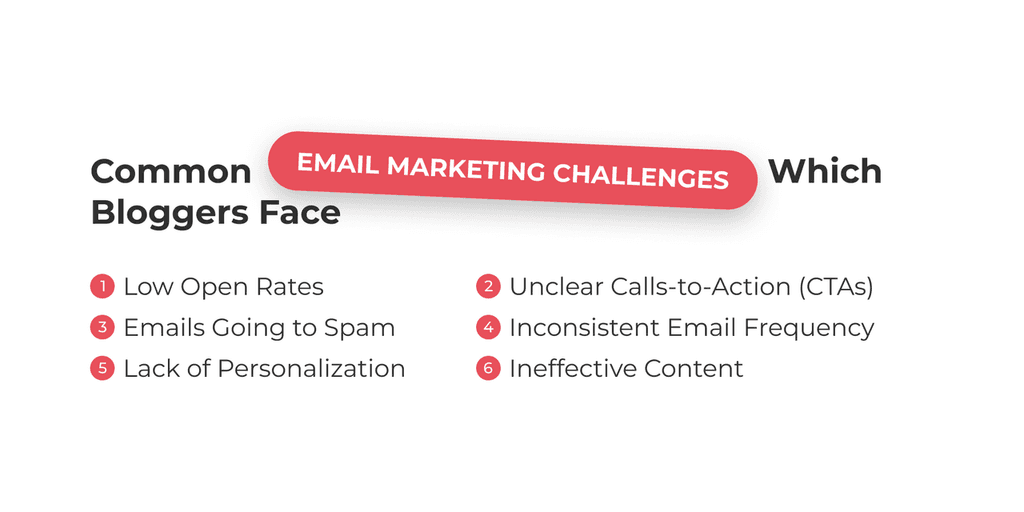
Low Open Rates: Your email marketing campaigns may suffer from low open rates due to weak subject lines or poor timing.
Solution: Use personalized, compelling subject lines and experiment with different send times using A/B testing to find what works best for your email subscribers.
Emails Going to Spam: Spam filters may block your emails, especially if you use trigger words or your sender reputation is poor.
Solution: Avoid spammy language, regularly clean your subscriber list, and ensure your emails comply with GDPR and CAN-SPAM regulations to improve deliverability.
Lack of Personalization: Generic content may fail to engage your audience, leading to lower interaction.
Solution: Use segmentation to target specific groups of email subscribers based on behavior or interests. Hyper-personalize your emails with automated tools to make each message feel relevant to the reader.
Unclear Calls-to-Action (CTAs): Vague or hidden CTAs can confuse readers, leading to fewer conversions.
Solution: Use clear, action-driven CTAs like “Read the Full Blog Post” or “Download Your Free Guide,” making sure the button stands out in your email.
Inconsistent Email Frequency: Sending too many or too few emails can result in losing your audience’s interest or overwhelming them.
Solution: Set a consistent schedule for your email marketing campaigns (e.g., weekly or bi-weekly) and adjust based on engagement metrics.
Ineffective Content: Boring or irrelevant content may cause subscribers to lose interest and unsubscribe.
Solution: Keep your emails engaging by offering value—whether that’s through exclusive content, sneak peeks of new blog posts, or sharing useful blogging tips.
Email marketing is one of the most powerful tools you have as a blogger to grow your audience, keep your readers engaged, and build lasting relationships.
From building your email list to personalizing your content, automating your campaigns, and tracking your results, each step plays a crucial role in your success.
Sure, there can be challenges along the way, but with the right strategies and tools, they’re easy to overcome.
Remember, it’s all about creating value and delivering content that resonates with your audience. Whether you’re just getting started or looking to fine-tune your approach, mastering email marketing will help take your blog to the next level.
And if you’re looking for a platform that can make it all easier, from hyper-personalization to email automation, GoCustomer is ready to help you create emails that truly connect with your readers. Ready to take your email marketing to the next level?
Sign up for GoCustomer today and see the difference it can make!

Reach more customers with your cold emails
Table of Contents
In a nutshell
Subscribe to our Newsletter!
Digital advice costs money but we send it to
your inbox for free.

Related Blogs
Book a quick demo of our email marketing tools and watch as we transform your leads into loyal customers.

![A loop illustration w-auto h-[70px]](/_next/image?url=%2F_next%2Fstatic%2Fmedia%2Fvector1.7738e6de.png&w=256&q=75 "GoCustomer Platform Image")
Get in touch
Subscribe to our weekly Newsletter and receive updates via email.